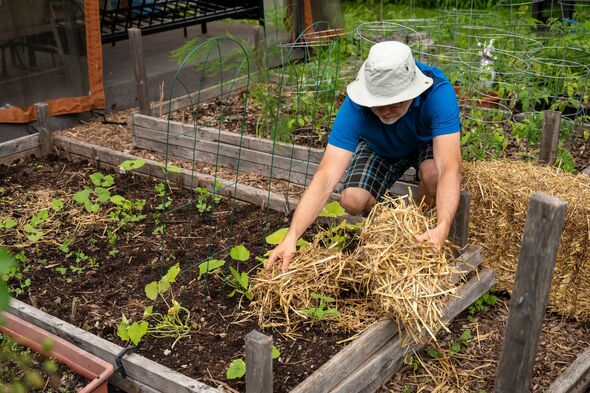
Garden enthusiasts in the UK are being urged to incorporate straw mulch into their gardening practices to significantly reduce the time spent on weeding. Vince Braun, founder and CEO of HealthiStraw, a Canadian company that specializes in sustainable wheat straw products, describes this method as the “single biggest time-saver for any gardener.”
Braun recommends applying a thick layer of straw, approximately two to three inches, around plants and garden beds. He explains, “This natural barrier blocks sunlight from reaching weed seeds, preventing them from sprouting in the first place.” By doing so, gardeners can cut their weeding time by as much as 75%.
Many avid gardeners report spending hours each week on the laborious task of weeding. Braun asserts that proper mulching can eliminate this chore almost entirely. Furthermore, he notes that straw mulch helps retain soil moisture, reducing the frequency of watering and promoting healthier plants.
Efficient Setup and Benefits of Straw Mulch
Setting up straw mulch typically takes between 15 and 35 minutes, depending on the size of the garden bed. Common dimensions for home gardens are often four by four feet or the standard four by eight feet, as recommended by university extensions. Braun estimates that a proper layer of straw mulch can save gardeners roughly 30 minutes to 1.5 hours of weeding each week throughout the growing season.
The effectiveness of straw mulch lies in its ability to hinder weed germination by blocking sunlight from reaching the seeds. Some crops used to produce straw also release allelopathic chemicals that further suppress weed growth.
Straw mulch is not only beneficial for weed control but also serves as an excellent ally when growing vegetables. According to Better Homes and Gardens, straw is inexpensive, easy to work with, and enhances soil quality. The publication advises that a layer of straw mulch between vegetable rows can create a neat and tidy garden appearance.
Although implementing straw mulch requires a modest initial effort, its long-term benefits in terms of reduced weeding and watering time make it a worthwhile investment. For most gardeners, one or two bales are sufficient to cover an entire vegetable patch, making this method both practical and economical.
Braun’s insights present a compelling case for UK gardeners looking to streamline their gardening tasks while promoting sustainability through the use of wheat straw products. As gardening season approaches, adopting these strategies may well transform backyard maintenance for many.