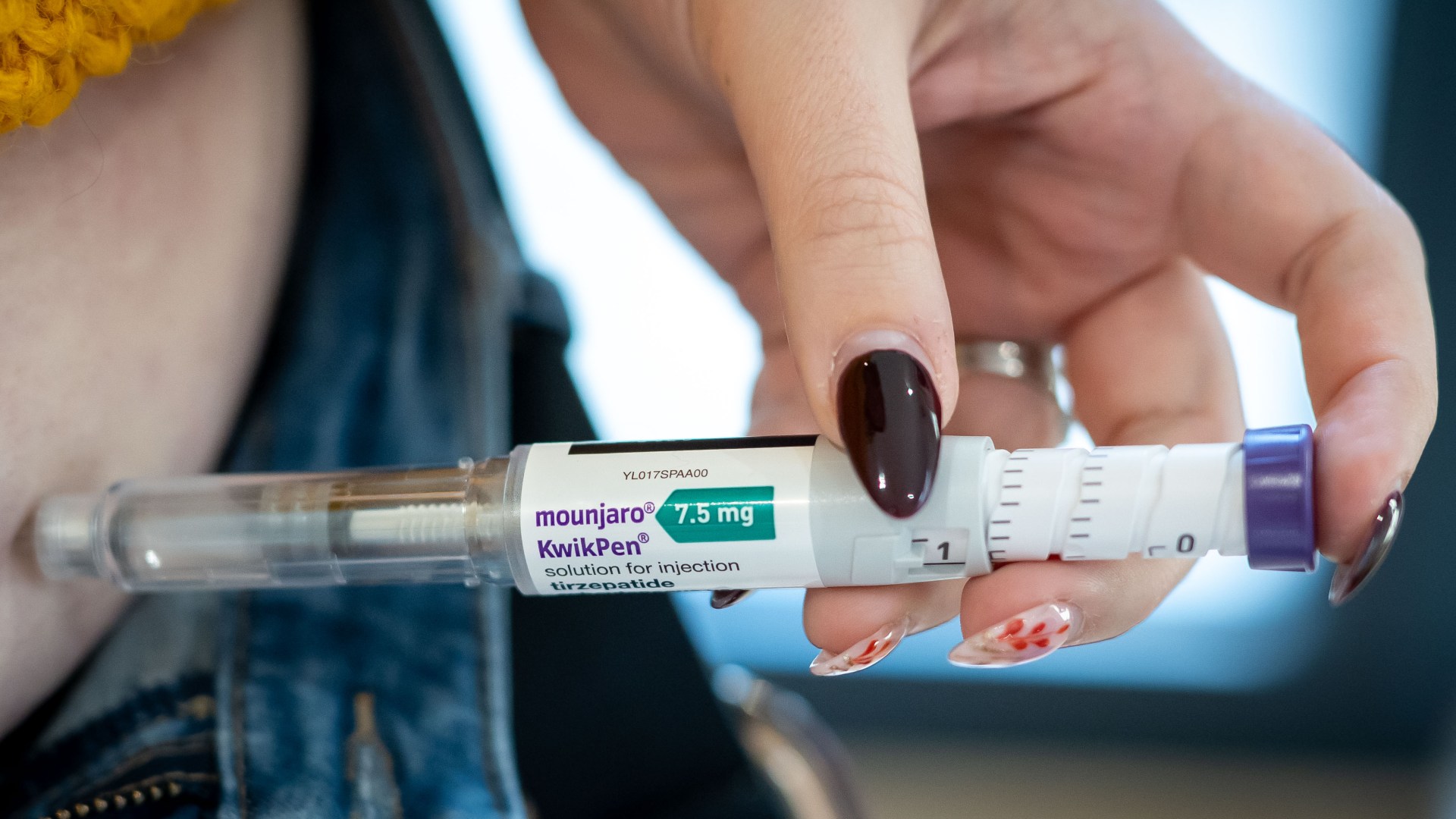
Recent research from Oxford University indicates that individuals using weight loss injections, such as Mounjaro and Wegovy, regain weight significantly faster than those relying on traditional dieting methods. The study, which reviewed data from 9,341 participants across 37 different studies, highlighted that users of these medications often return to their original weight within a remarkably short timeframe of just over a year and a half after discontinuing treatment.
The findings, published in the British Medical Journal, reveal that many users regained all the weight they lost within two years of stopping the injections. Additionally, they experienced a return of negative health markers, including deteriorating blood pressure and cholesterol levels. In contrast, those who adhered to diet and exercise programs, while losing less weight overall, managed to maintain their reduced weight for longer periods.
Dr. Sam West, a researcher at Oxford University, emphasized the implications of the study, stating, “We found that people taking medication lose more weight, but they regain their weight four times faster. They’re estimated to return to their baseline weight 1.7 years after medication compared to just under four years with behavioral programs.”
The popularity of weight loss injections has surged due to their perceived ease of use and rapid results. According to separate research conducted by University College London, approximately 1.6 million people in the UK utilized these drugs within the last year. More strikingly, about 4.9 million adults—one in ten—have either used these medications or expressed interest in trying them in the future.
Despite this growing trend, experts caution that these injections are not a standalone solution for obesity. Two-thirds of adults in the UK are classified as overweight, with around 30 percent categorized as obese. Dr. Susan Jebb, a co-author of the study and a leading expert on obesity, warned, “We’ve shown that weight regain after medication is common and is rapid. When the drug stops and appetite returns, it seems that current strategies are not sufficient to enable people to continue to manage their weight.”
Dr. Jebb further stated that, “Obesity is a chronic relapsing condition, and I think that these treatments need to be continued for life in the same way as blood pressure medication.” This perspective underscores the necessity for individuals to adopt comprehensive lifestyle changes alongside any pharmacological interventions.
Dr. Qi Sun from Harvard University, who was not involved in the study, echoed these sentiments, asserting, “They should not be relied on as a magic cure for treating obesity.” This highlights the consensus among medical professionals that while weight loss injections may provide an initial advantage, sustainable weight management requires ongoing lifestyle modifications.
In summary, the research illustrates that while weight loss injections can lead to significant weight loss, they also bring challenges of rapid weight regain once treatment ceases. This reinforces the need for individuals to incorporate lasting dietary and lifestyle changes to maintain their health and weight in the long term.