Kirin Holdings has announced a strategic shift in its research and development focus, placing emphasis on cellular senescence and chronic inflammation. This revelation occurred during the company’s annual R&D Day held last month, where Kirin highlighted its aspirations beyond its well-known beer brewing business. The company also operates a pharmaceutical division and a health science sector, with notable products such as the immune support postbiotic Lactococcus lactis strain Plasma, commonly referred to as LC-plasma.
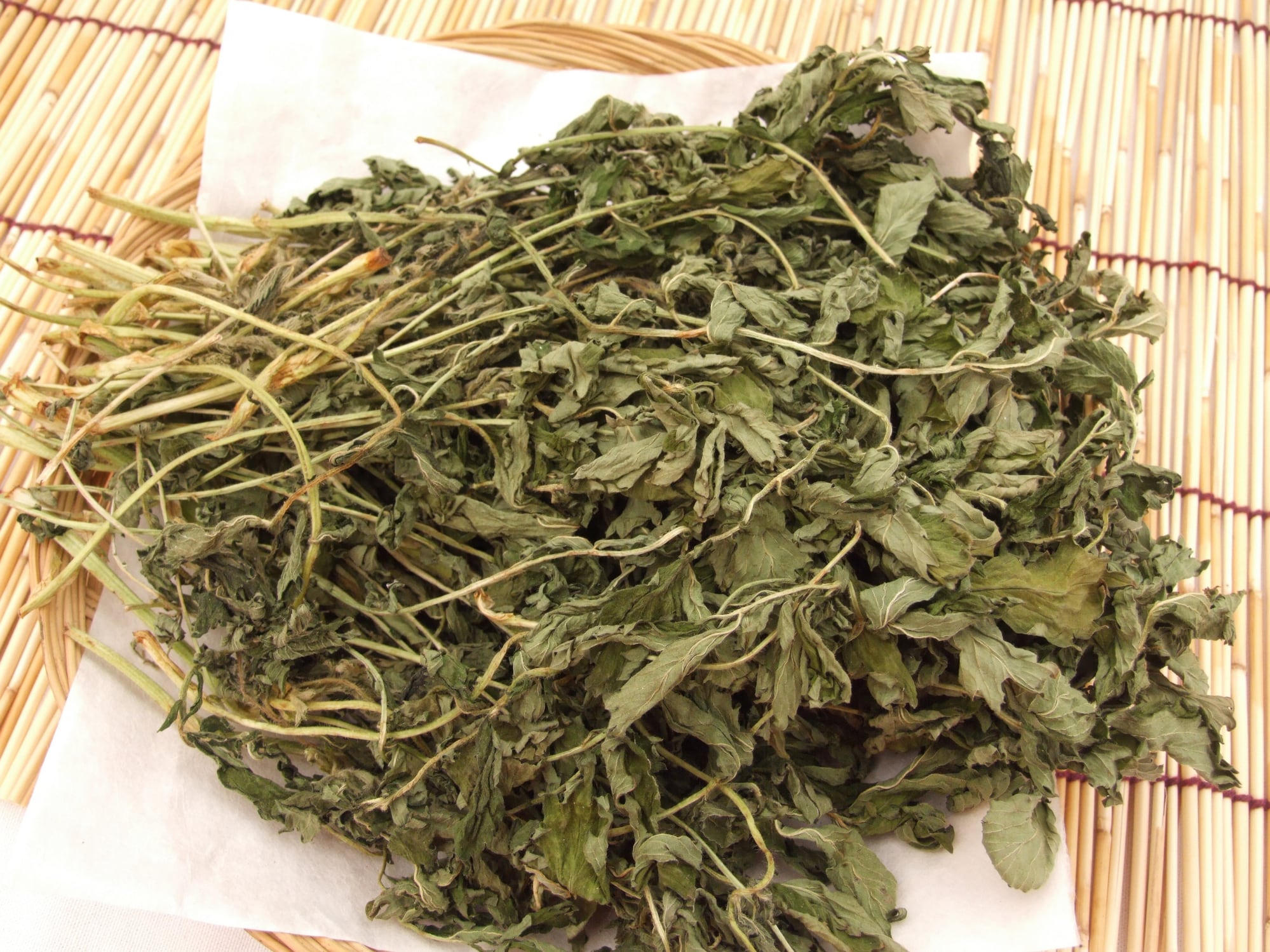
During a roundtable discussion titled “Aging Care Research and Its Implementation in Society,” Kirin explored various themes, including the 14 Hallmarks of Aging and the XPRIZE competition. Among the key points raised was the identification of Agrimonia pilosa, a perennial plant known in Japan as “Kinmizuhiki,” as a promising candidate for addressing cellular senescence. The plant, traditionally used in folk medicine, was selected from a pool of approximately 4,000 materials due to its potential to support brain function. Kirin first recognized the plant’s ability to eliminate senescent cells in 2020.
Commercialization Challenges and Research Developments
Kirin’s subsidiary, FANCL Corporation, has made strides in product development with the launch of a Food with Function Claim (FFC) product containing Agrimonia pilosa. Marketed as Wellage Premium, this product is said to enhance mood and alleviate temporary fatigue. The company aims to extend its functional claims to include “anti-aging.” However, Kirin acknowledges that the success of such claims hinges on the development of testing methods to quantify senescent cells in the human body.
“This year, we’re still working on finding what else we can expect for anti-aging, and we have not yet developed the methodology to measure senescent cells,” Kirin stated. “By developing this kind of methodology, I think that we can contribute more to our product.”
Recent research supports the potential of Agrimonia pilosa in combating cellular senescence. A clinical trial involving 110 middle-aged Japanese participants indicated that supplementation with the plant extract could reduce the presence of senescent immune cells. The trial, funded by FANCL, was published in the journal Nutrients in February. Participants, aged between 40 and 59, were assessed for immunosenescence, particularly focusing on the presence of high-SA-βGal CD8+ T cells, known as senescent immune cells.
The study randomized participants to receive either 50 mg of the extract or a placebo for eight weeks. Results demonstrated a decrease in the proportion of high-SA-βGal CD8+ T cells in both groups, but with no significant differences between them. Notably, subgroup analysis revealed that men who consumed the extract exhibited a significantly lower proportion of these cells compared to those on the placebo, while women showed a decrease without a significant group difference.
The researchers also noted changes in naïve and effector memory CD8+ T cells among male participants, suggesting that the increase in naïve T cells may result from the removal of senescent effector memory CD8+ T cells. The absence of similar findings in female participants could be attributed to hormonal influences, particularly estrogen, which is known to modulate the expression of senescence-related proteins and impact T cell dynamics.
Exploring Additional Ingredients
In addition to Agrimonia pilosa, Kirin is investigating the potential of Aspergillus extract, which contains 14-dehydroergosterol (14-DHE), to combat chronic inflammation. The company asserts that 14-DHE promotes the induction of tolerogenic dendritic cells and regulatory T cells (Tregs), which are crucial for managing inflammation.
Research published in March 2018 in Clinical, Cosmetic and Investigational Dermatology highlighted the benefits of this extract for skin health. A 12-week study involving 70 women demonstrated that supplementation with Koji extract containing 14-DHE significantly improved skin moisture levels in the stratum corneum.
Kirin’s commitment to addressing the complexities of aging and cellular health through innovative research reflects its broader vision to enhance the well-being of individuals. As it continues to navigate the commercialization landscape, the company’s ongoing studies and product developments may play a pivotal role in shaping the future of health science.