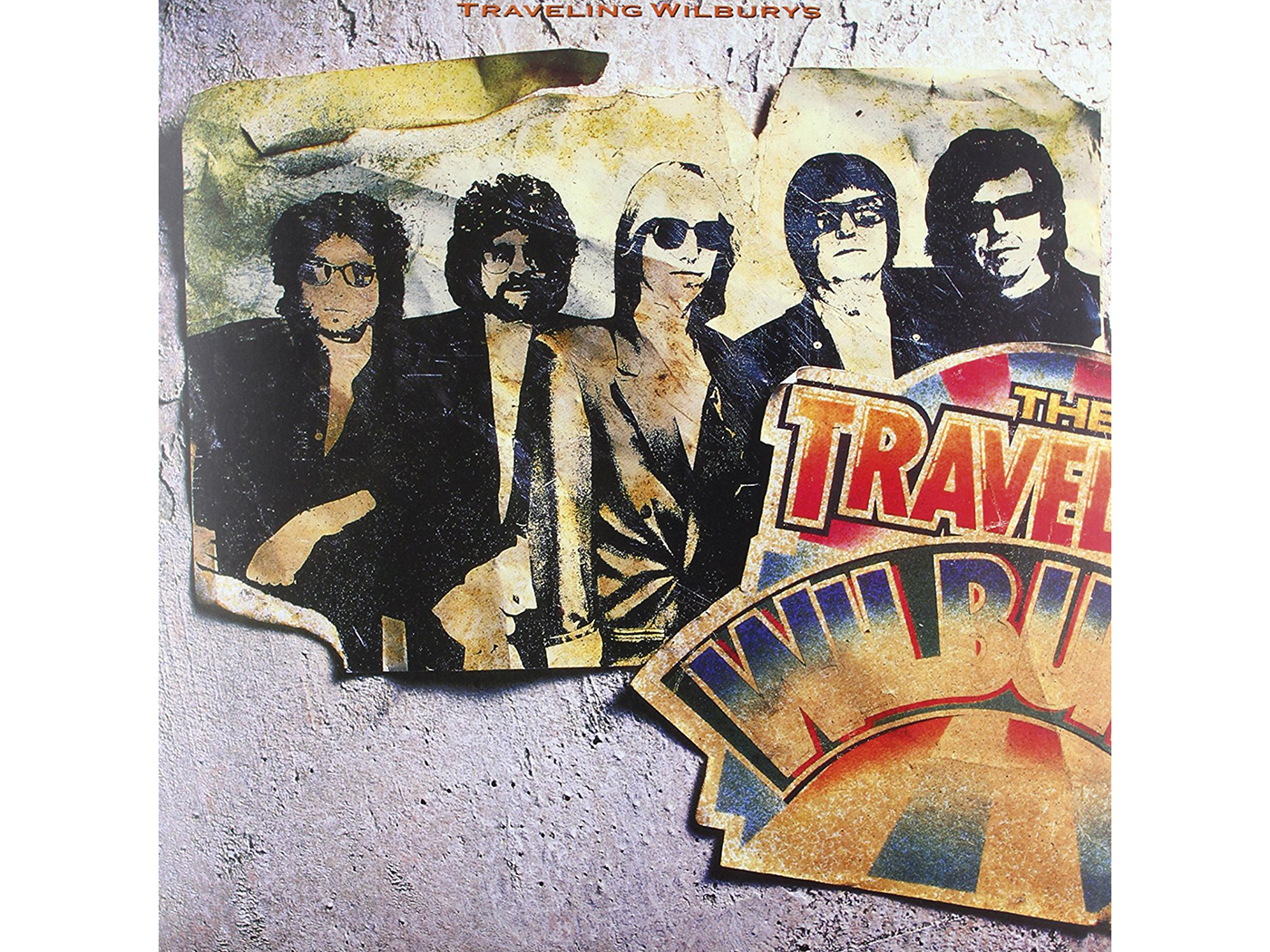
The formation of The Traveling Wilburys in 1988, a supergroup featuring iconic musicians such as George Harrison, Bob Dylan, Roy Orbison, Tom Petty, and Jeff Lynne, marked a significant moment in rock history. The band emerged from a casual collaboration and quickly became a powerhouse in the music industry, captivating audiences with their unique sound and chemistry.
On the first day of recording, drummer Jim Keltner recalls a memorable experience. As he approached the studio, he heard soft acoustic guitars and voices. Upon arrival, he was struck by the sight of these legendary artists gathered together. “Wow, look at this crowd – Bob, George, Roy, Tom and Jeff,” Keltner described, reflecting on the moment that set the stage for the band’s creation.
The synergy between the members was palpable. Tom Petty noted their pre-existing friendships, stating, “It was a little incestuous, but we all liked hangin’ out a lot before we had a band.” Petty’s group, the Heartbreakers, had collaborated with Dylan during his extensive touring, while Harrison and Lynne were frequent visitors. This network of relationships laid the foundation for the Wilburys’ formation.
George Harrison had a strong desire to be part of a band again, especially after the legendary success of The Beatles. His passion drove him to gather his friends and create something special. According to Olivia Harrison, his wife, “George had those intense moments in his career when it was absolute bedlam,” but he also cherished the companionship of his friends.
The idea for the group was born during casual discussions between Harrison and Lynne while they were working on Harrison’s album, Cloud Nine. “We could have a group, you know?” Harrison suggested, reflecting his discomfort with being a solo artist. Lynne, who shared similar sentiments, encouraged the idea. “He was never comfortable with it. He wanted a group,” Lynne stated.
As the plans for the Wilburys took shape, Harrison enlisted the talents of his friends, dubbing them with playful monikers. Harrison became Nelson-Spike, Dylan was Lucky-Boo, Lynne became Otis-Clayton, Orbison was Lefty, and Petty took on the name Charlie T Jr. The name “Wilburys” itself originated from a slang term used by Harrison and Lynne during their recording sessions, humorously referring to their mistakes as “Wilburys” that would be “buried” in the mix.
Recording sessions were a mix of creativity and camaraderie. Initially meant to produce a B-side for Harrison’s album, the song “Handle With Care” evolved into a full-fledged hit. The casual atmosphere allowed for spontaneous collaboration, and as Keltner observed, “We were just having fun.” The track was completed in a single night, leading Petty to exclaim, “This isn’t just a B-side, guys.”
The group aimed to capture the essence of their friendships and experiences in their music. Each member contributed ideas, with Petty recalling, “Bob usually had something, and I’d throw in a word.” This collaborative spirit produced memorable tracks such as “End of the Line” and “Not Alone Anymore,” which resonated deeply with listeners.
The Traveling Wilburys quickly gained popularity, with their debut album, The Traveling Wilburys Volume 1, released in October 1988. Tragically, the album’s success was overshadowed by the untimely death of Orbison on December 6, 1988, just weeks after its release. His passing at the age of 52 left a profound impact on the group and the music community.
Despite their loss, the surviving members continued to create music together, recording a second album whimsically titled Volume 3. The new album maintained the playful spirit of the original, even as they grappled with Orbison’s absence. Petty expressed gratitude for the experience, stating, “We were having a blast. Not one day was like work!”
The legacy of The Traveling Wilburys endures as a testament to friendship, collaboration, and the joy of making music together. Their unique blend of talents not only created timeless songs but also forged lasting bonds among some of the greatest artists in rock history. As Keltner aptly put it, “The whole thing was just a ball. Those were great days.”