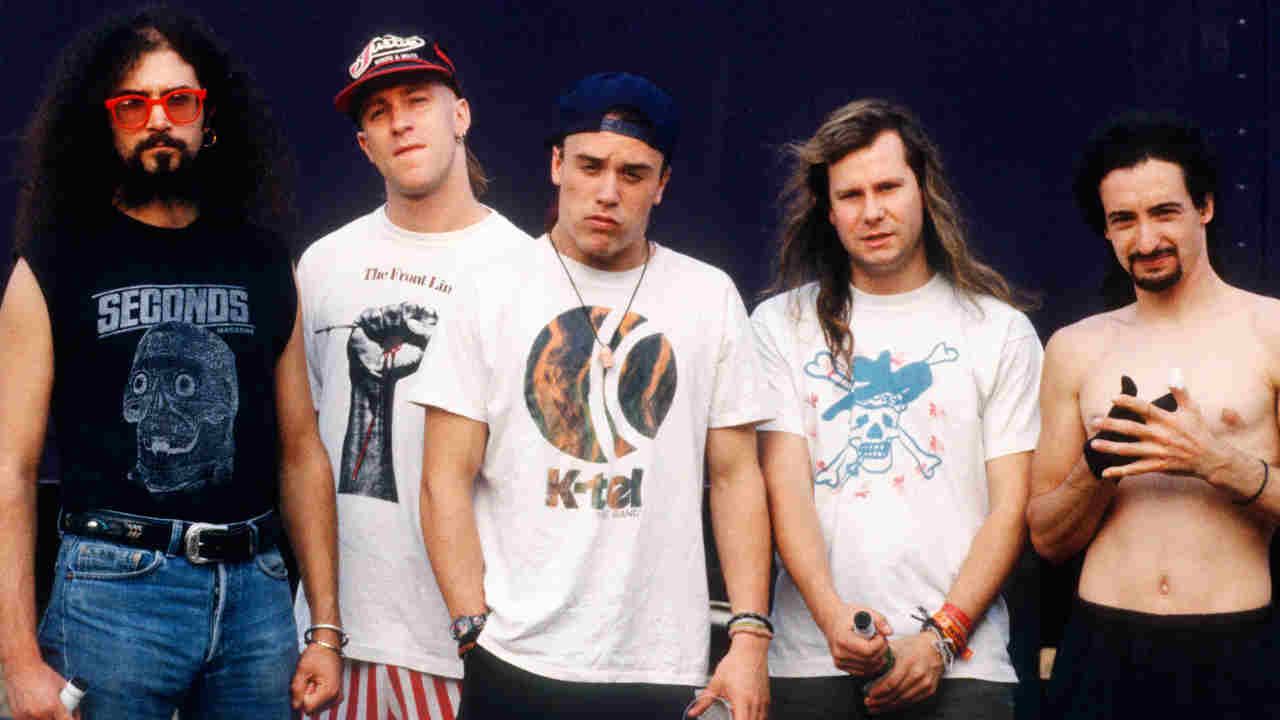
The release of “Epic” on January 29, 1990, marked a pivotal moment for the American rock band Faith No More. After the lackluster performance of their third album, The Real Thing, the band faced dwindling support from their record label. The previous summer had seen their lead single, “From Out Of Nowhere,” fail to make an impact in the United States, leading to concerns over the band’s future.
Initially, Faith No More’s new sound, characterized by the energetic vocals of Mike Patton, diverged sharply from their post-punk roots. Critics questioned whether the band had compromised their identity. An LA Times review captured the sentiment, asking if Faith No More had become a “bandwagon-jumper” rather than a trailblazer of the rap-metal genre.
Despite the skepticism, the band rallied around “Epic” as their next single. The choice reflected their intent to reconnect with their earlier style while showcasing their evolution. Producer Matt Wallace noted that the band viewed their work as inherently pop, despite being marginalized by mainstream radio at the time. He remarked, “Their idea of what pop is was what helped to make pop different.”
As “Epic” hit the airwaves, it initially struggled to gain traction. Its music video received minimal rotation on MTV, and radio stations largely ignored it. However, a high-energy performance at the London Astoria on February 7, 1990, changed the band’s trajectory. An unexpected incident during the show—a collapsed crash barrier—created an electric atmosphere that caught the attention of Warner Brothers executives. Following this performance, the label renewed efforts to promote “Epic,” including increasing its airtime on MTV.
The efforts paid off. By May 1990, “Epic” began to gain popularity, particularly in Australia, where it topped the charts. The song subsequently reached number nine on the Billboard Hot 100 in the United States on September 8, 1990. This success not only bolstered Faith No More’s visibility but also signified the mainstream acceptance of alternative metal.
Drummer Mike Bordin reflected on the band’s identity during this time, emphasizing their connection to the punk and thrash metal scenes, particularly with bands like Metallica. He noted, “We really identified with bands like Metallica because they came in with this punk rock energy.” Faith No More’s ability to blend genres—from funk and soul to hardcore—set them apart from their contemporaries.
As “Epic” gained momentum, it became clear that the song was a double-edged sword for the band. While it secured their place in the music industry, it also subjected them to a level of fame they found uncomfortable. Mike Patton expressed his discomfort with the idolization that accompanied their success, stating, “I’ve never had anyone look up to me and take what I say as gospel.”
Despite the complexities of fame, the success of “Epic” solidified Faith No More’s legacy in the alternative music scene. Their journey mirrored the burgeoning trends in the music industry, paving the way for future acts such as Korn and Killswitch Engage. The song’s impact resonated beyond its initial release, contributing to the evolution of a genre that would soon dominate the charts.
Faith No More’s story exemplifies how a single song can transform a band’s fortunes, illustrating the unpredictable nature of the music industry. As they embraced their eclectic influences and carved out a unique sound, “Epic” became not just a hit, but a cultural milestone that defined an era of music.