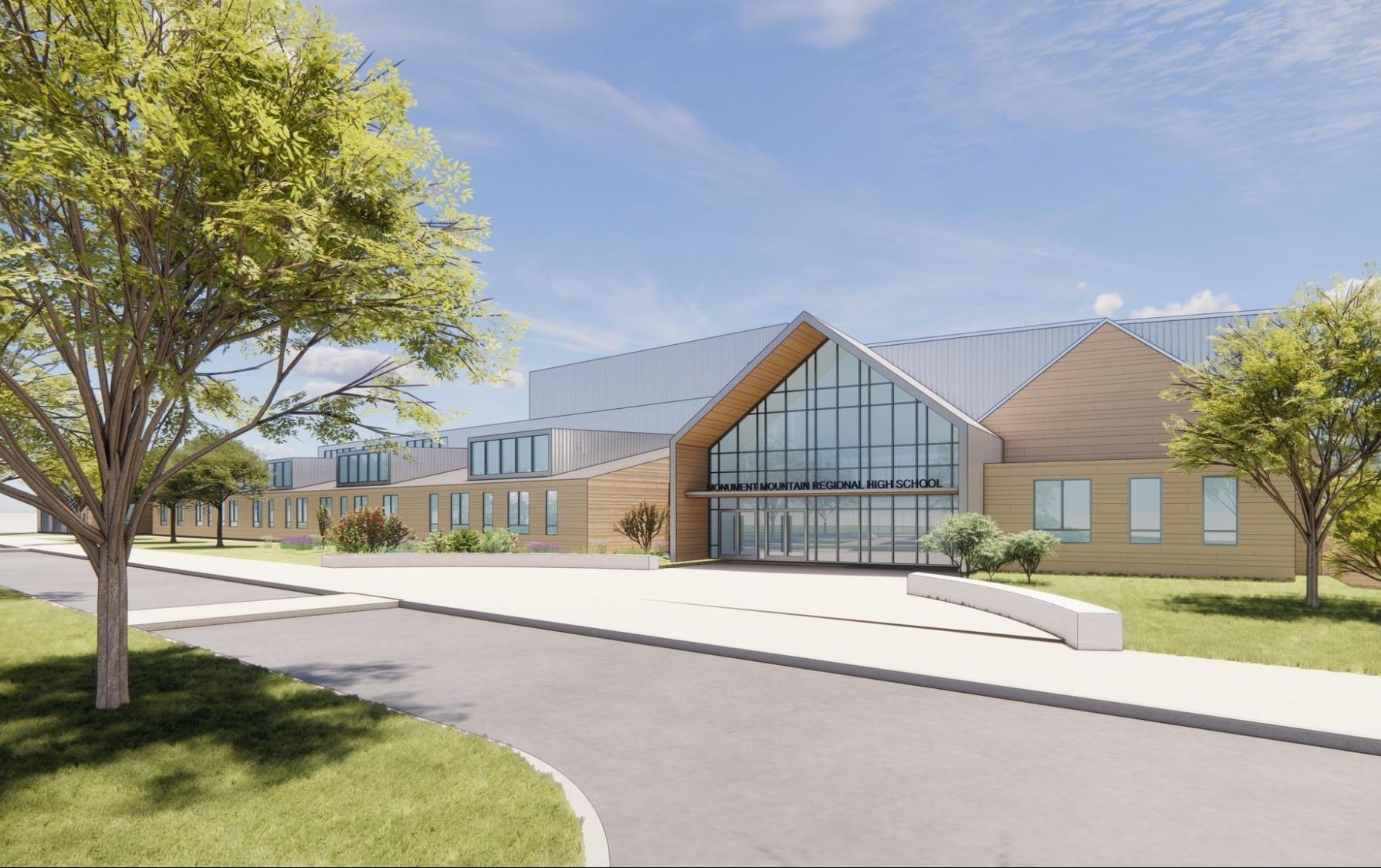
In a significant turn of events, voters in Great Barrington and surrounding towns overwhelmingly approved the construction of a new Monument Mountain High School, with a remarkable 78 percent in favor during the ballot held in November 2023. This decision comes more than a decade after two previous attempts to fund renovations and expansions to the aging facility were decisively rejected. The new high school project will cost up to $152 million, with the Massachusetts School Building Authority (MSBA) contributing $61 million towards the costs.
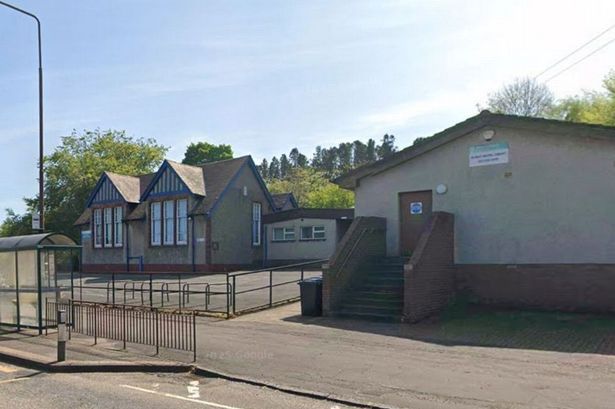
The previous proposals, which sought to address the deteriorating conditions of the existing school built in the 1960s, faced significant opposition from voters, especially in Great Barrington, the largest town in the Berkshire Hills Regional School District. In both 2013 and 2014, plans for renovations totaling over $50 million were voted down, leaving the school committee and community stakeholders disheartened. After years of reflection and strategic planning, the district was determined to learn from past mistakes and engage the community more effectively.
Building Support and Addressing Concerns
The shift in public sentiment can be attributed to a variety of factors, according to district officials and advocates. Peter Dillon, the district’s superintendent since 2009, noted how the committee took previous criticisms seriously and revised the capital project financing structure. This change allowed for a reduction in Great Barrington’s share of the new project from 74 percent to 52 percent, which helped alleviate concerns regarding tax burdens.
Steve Bannon, chair of the Berkshire Hills Regional School Committee, expressed his surprise at the overwhelming support, stating, “I thought there was a chance it would have passed. I would have been happy with 51–49, but I would have not bet a dollar on 78 percent.” The enthusiasm surrounding the new high school plan is also fueled by the promise of expanded vocational education programs, which have gained traction in recent years.
The project will not only replace the outdated structure but will also enhance educational opportunities, providing several new state-approved vocational programs. Dillon pointed out that this focus on trades could better serve local students, many of whom prefer to find work in their communities after graduation.
A Grassroots Campaign for Change
Central to the successful campaign was the independent advocacy group, Yes Monument, co-chaired by Ellen Lahr and Rebecca Gold. This group effectively utilized social media and community outreach to inform residents and dispel misconceptions about the project. Lahr highlighted the importance of clear messaging and respectful engagement with the public, stating, “We had a really good comms team and a focus which was very fact-based. Everyone was more focused this time around.”
The group distributed around 800 lawn signs and hosted numerous informational meetings to ensure voters were well-informed prior to the election. They also provided a tax-impact calculator, illustrating the financial implications of the new school, which helped alleviate fears regarding increased taxes.
The timing of the vote also played a crucial role. The COVID-19 pandemic led to an influx of new residents in Great Barrington, many of whom come from areas that invest heavily in education. This shift in demographics may have contributed to a more favorable view of the proposed school, as Lahr noted that new residents likely viewed the $152 million project as a reasonable investment compared to school funding in wealthier communities.
Voters in Great Barrington also appeared motivated by a desire for local progress amid a backdrop of national political challenges. Dillon remarked on the “homegrown local optimism,” suggesting that residents felt empowered to make a positive change for future generations.
As the new Monument Mountain High School prepares to be built on the existing school’s grounds, it is poised to open its doors by fall 2029, marking a significant milestone for the community. The decision to construct a new facility rather than pursue another renovation reflects a collective commitment to improving educational infrastructure and providing better opportunities for students in the region.