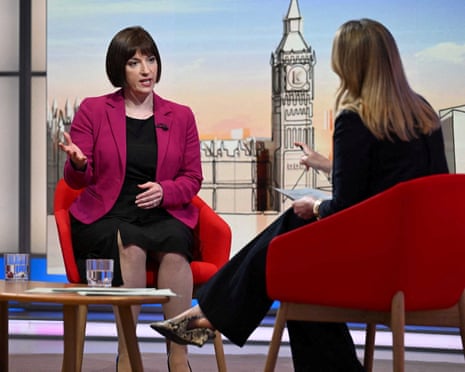
Significant reforms to special educational needs (SEN) are on the agenda for the UK government, with newly appointed cabinet minister Bridget Phillipson emphasizing the importance of communication among Members of Parliament (MPs) to ensure their success. In her first week in office, Phillipson convened a meeting that attracted nearly 100 Labour MPs, many of whom had personal connections to the issue, highlighting the urgency and relevance of the reforms.
Attendees included new MPs like Jen Craft, Daniel Francis, and Steve Race, as well as the then business secretary, Jonathan Reynolds. The meeting underscored the pressing nature of the SEN system, with many MPs aware of its challenges from their previous work in charities, unions, or through constituent feedback. Phillipson recognized early on that addressing the SEN system would be one of her most significant challenges in her role.
Lessons from Previous Legislative Challenges
Phillipson’s experience with previous legislation has shaped her approach to the forthcoming reforms. After facing criticism for the children’s wellbeing and schools bill, which introduced substantial changes to academy trusts, she learned that effective communication was essential. The bill faced backlash not only from the right-wing press but also from bewildered Labour MPs who struggled to grasp the rationale behind its provisions.
As Liz Kendall prepared a proposal for SEN reforms in spring 2024, the government organized briefings for MPs that included compelling statistics illustrating the rising costs associated with personal independence payments. These presentations aimed to build support among MPs, yet the situation was complicated by a lack of clear moral arguments for the changes. The government’s failure to secure trust from MPs led to concerns that similar pitfalls could occur with SEN reforms.
A departmental source indicated that the focus would not be on reducing Education Health and Care Plans (EHCPs) but rather on enhancing the system itself. The aim is to ensure that the reforms are perceived as genuine improvements rather than mere budget cuts—a sentiment echoed by many within the Parliamentary Labour Party (PLP).
Building Trust Amid Concerns
Phillipson has actively engaged with various factions within the Labour Party, including the Socialist Campaign group led by John McDonnell and the Tribune group comprised of soft left MPs. This outreach aims to foster goodwill and align interests, particularly in light of MP scepticism stemming from past experiences with welfare cuts.
The new schools minister, Georgia Gould, has been part of extensive consultations, engaging with around 8,000 individuals, including parents and representatives from special needs charities. This initiative seeks to ensure that the voices of those affected by SEN policies are heard and considered in the reform process.
Despite the positive reception from many MPs, doubts remain about the feasibility of achieving the proposed changes. Parents are concerned about losing established legal avenues to secure appropriate education for their children, with the promise of improved provisions without the need for advocacy. In light of the additional funding of £4 billion, there is still skepticism about the government’s ability to deliver on its commitments, particularly regarding the training of teachers in SEN and the recruitment of specialists such as speech and language therapists.
Ultimately, the success of the reforms hinges on Phillipson’s ability to establish trust with both parents and MPs. Many have expressed deep-seated reservations about whether the system can genuinely improve without the need for advocacy. As Phillipson navigates the political landscape, the challenge lies in transforming these concerns into confidence that a better system is achievable. In an environment characterized by past failures, securing support for these reforms will require more than just promises; it will demand real change and tangible results.