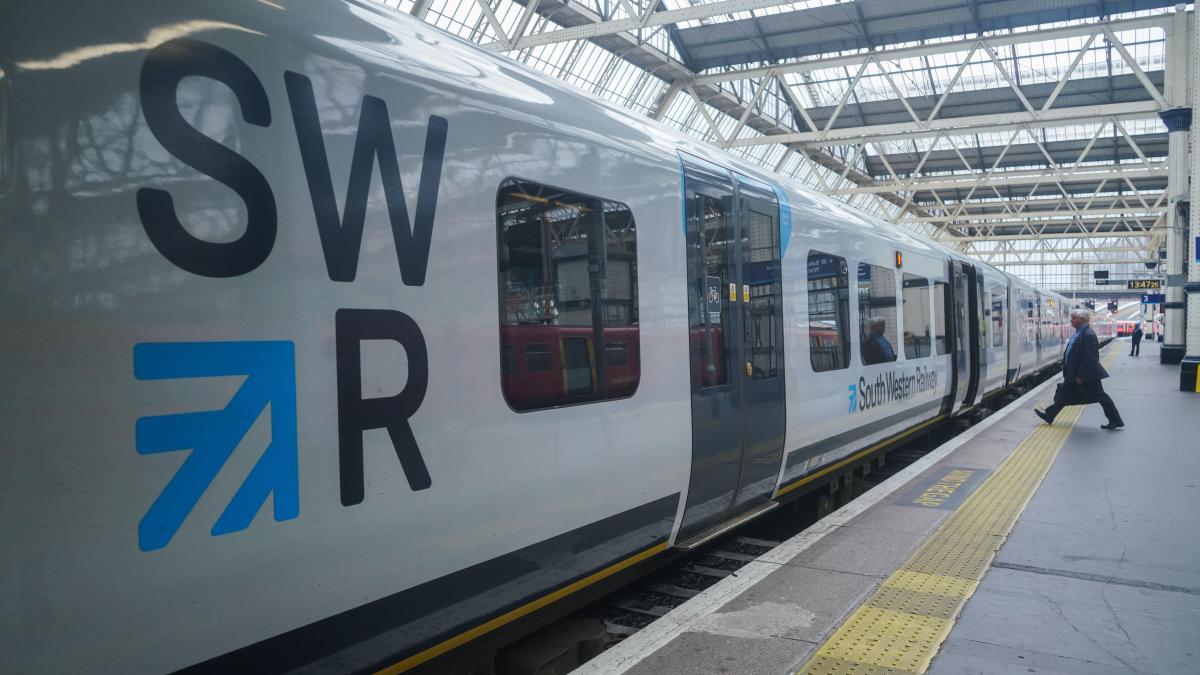
The UK Government has announced a freeze on rail fares for the first time in three decades, providing significant relief for commuters starting in 2026. This decision ends the long-standing practice of annual fare increases linked to the Retail Prices Index, which has often resulted in substantial fare hikes. Many passengers can expect to save hundreds of pounds, with some estimates suggesting savings of up to £300 annually.
This pivotal change comes as part of a broader strategy to alleviate the financial burden on commuters, particularly in light of rising living costs. The announcement was made by Grant Shapps, the UK Transport Secretary, who emphasized the government’s commitment to making rail travel more affordable. “We are aware of the challenges faced by passengers, and this freeze is a crucial step towards supporting them,” Shapps stated.
Impact on Commuters and the Economy
The freeze on rail fares is expected to have a positive impact not only on individual commuters but also on the wider economy. According to the Department for Transport, the decision will save travellers a combined total of approximately £3.5 billion over the next few years. This saving can help stimulate local economies as more people might choose to travel for work or leisure without the fear of escalating costs.
Commuters in urban areas, who often rely on trains for daily travel, stand to benefit the most. The announcement has been met with enthusiasm from various commuter groups, who have long advocated for fairer pricing structures in the rail industry. Representatives from the National Rail have also expressed support, noting that this measure could encourage more people to use public transport.
Challenges Ahead for the Rail Industry
While the fare freeze is welcomed, it poses challenges for the rail industry, as operators will need to adapt to the financial implications. The UK Government has indicated that it will work closely with rail companies to ensure that services remain sustainable. This includes discussions about potential funding solutions and operational efficiencies that may be necessary to maintain service quality without the usual fare increases.
Analysts have pointed out that the rail network has faced significant pressures due to the pandemic, and this fare freeze might require reevaluation of investment strategies within the sector. The government has committed to addressing these challenges while ensuring that passengers do not bear the burden of rising costs.
Overall, the decision to freeze rail fares represents a significant shift in policy, aimed at easing the financial strain on commuters while also addressing the broader challenges facing the rail industry. The impact of this measure will be closely monitored as 2026 approaches, with many looking forward to a more affordable and accessible rail system in the UK.