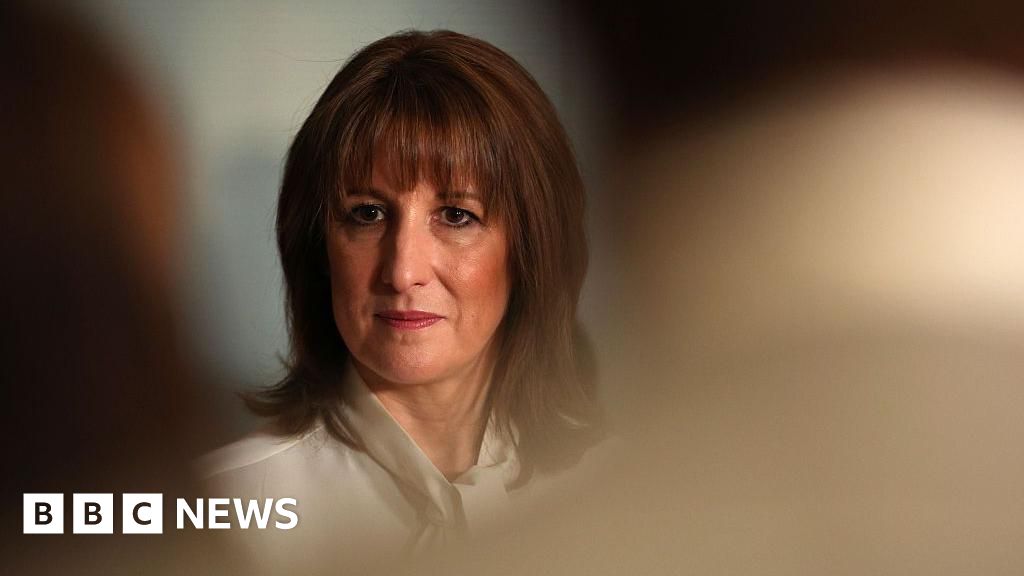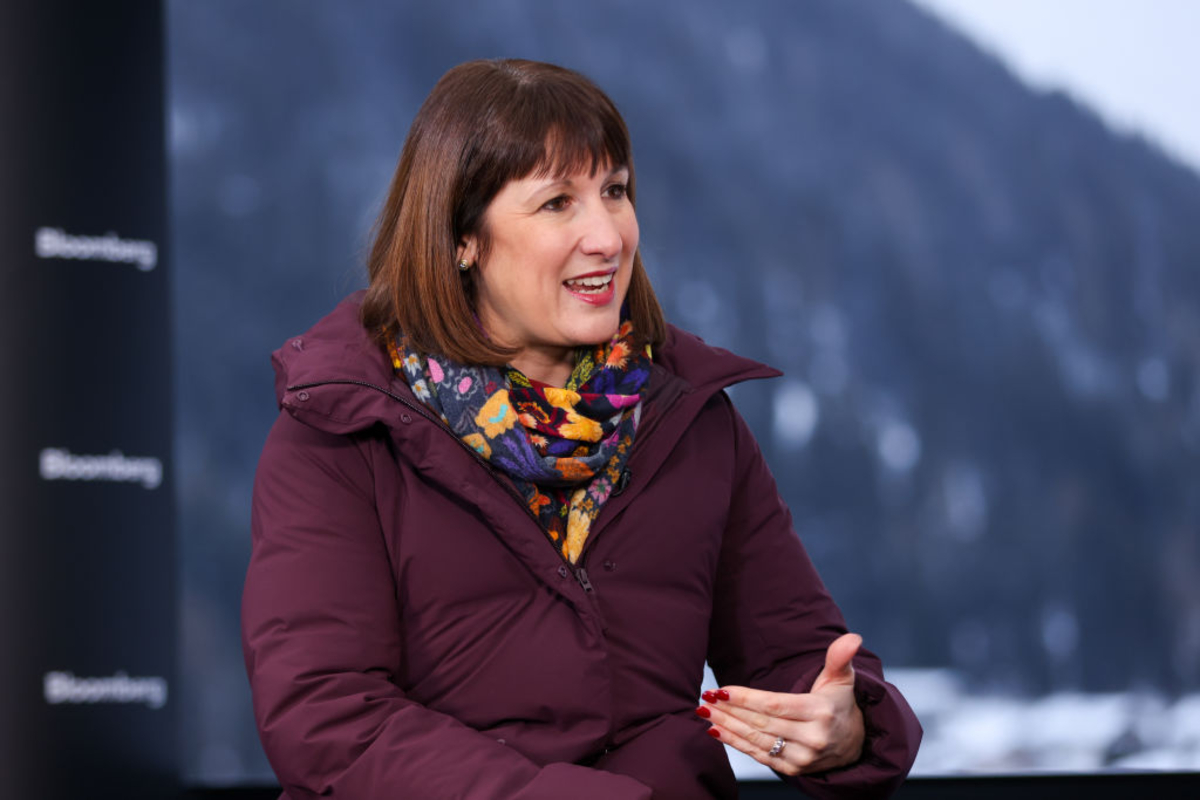
Rachel Reeves, the UK Chancellor, will lead a delegation of entrepreneurs representing some of Britain’s fastest-growing start-ups to the World Economic Forum in Davos next week. This initiative aims to attract international investors to the UK economy by highlighting the country’s vibrant start-up ecosystem. Joining Reeves will be key figures, including Peter Kyle, the Business Secretary, as well as various prominent founders from the UK.
Among the founders in the delegation is Mia Drennan, CEO of Global Loan Agency Services (GLAS). This firm specializes in debt administration services and has recently gained significant attention following a deal in December that valued it at over $1 billion after a majority stake acquisition by Oakley Capital. This valuation marks a historic milestone for GLAS, reflecting the growing potential of British start-ups.
Reeves is scheduled to participate in a panel discussion alongside Brian Moynihan, the CEO of Bank of America, and Janet Truncale, CEO of EY. This platform will provide her with an opportunity to promote the UK as a stable and attractive destination for investment, particularly in light of global economic uncertainties.
Government Strategy for Investment
The UK government is actively seeking to reverse a trend of declining international investment. In October 2023, ministers launched a revamped ‘concierge service’ aimed at assisting foreign firms in their expansion into the UK market. This service, developed in collaboration with the City of London Corporation, is designed to connect businesses with potential investors and help facilitate their entry into the British economic landscape.
In Davos, Reeves is expected to engage in a series of meetings and roundtables, including discussions with Jamie Dimon, the CEO of JP Morgan. These conversations will focus on positioning the UK as a beacon of stability for investors amid a backdrop of geopolitical and trade challenges. The need for such efforts is underscored by recent events, including heightened tensions in international relations and economic policy shifts from other nations.
The Chancellor’s delegation seeks to reset the narrative following a tumultuous budget announcement in November 2023, which faced criticism for its numerous market-sensitive leaks. This budget increased the overall tax burden to its highest level in UK history, raising approximately £26 billion to support welfare expenditures and address prior spending adjustments. Among the significant measures were a freeze on income tax thresholds, increased taxation on gambling firms, and a proposed tax on properties valued at over £2 million.
Political Context and Reactions
While Keir Starmer, leader of the Labour Party, will not attend the Davos summit, his business adviser, Varun Chandra, is set to join Reeves and Kyle. The government’s strategy reflects a broader aim to stabilize investor confidence in the UK following recent fiscal challenges.
In a notable development, Nigel Farage, the leader of Reform UK, is also attending the summit for the first time. Farage has been a vocal critic of the World Economic Forum but is scheduled to participate in discussions at various events, including a USA House online session and a Bloomberg event.
As the UK government navigates these complex economic waters, the delegation to Davos represents a concerted effort to not only showcase the potential of British start-ups but also to reaffirm the UK’s position as a viable choice for international investment. The outcomes of these discussions may have significant implications for the future of the British economy.