The FTSE 100, London’s primary share index, has surpassed a significant milestone, reaching a record high of 7,500 points in early January 2024. This surge is a positive development for investors and savers across Britain, indicating robust market performance as the new trading year commences.
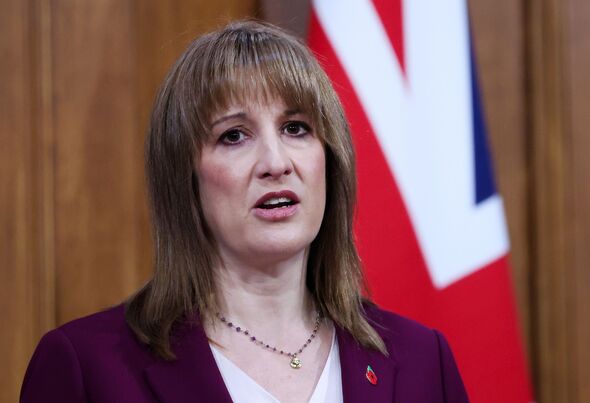
The increase has sparked a wave of reactions, particularly from Rachel Reeves, the shadow chancellor of the Exchequer. Reeves recently stated that the Labour Party deserves credit for the index’s performance, claiming that their policies have contributed to the improved economic landscape. This assertion has been met with skepticism, with critics branding her comments as “delusional.”
Reeves highlighted the significance of the FTSE 100’s rise, arguing that the Labour Party’s approach to fiscal policy has fostered greater confidence among investors. She emphasized the importance of this milestone for everyday Britons, suggesting it reflects a stronger economy and improved investment climate.
However, financial analysts have pushed back against her claims. Many attribute the FTSE 100’s recent gains to broader economic trends and global market dynamics rather than specific political actions. The index’s performance is influenced by a variety of factors, including international trade agreements, corporate earnings, and global economic recovery.
Investors are optimistic about the implications of the FTSE 100 reaching this record high. Market analysts point out that a strong index typically enhances consumer confidence, which can lead to increased spending and investment in various sectors. This positive sentiment is crucial as the country navigates the economic challenges ahead.
As the trading year progresses, the focus will likely shift to how the government and opposition parties respond to these developments. The Labour Party’s claims may resonate with some voters, but the ongoing debate surrounding credit for economic performance is expected to intensify.
In this context, the performance of the FTSE 100 serves not only as a barometer for the health of the UK economy but also as a backdrop for political discourse as the nation heads towards future elections. The ability of policymakers to address economic issues effectively will be pivotal in shaping public perception and investor confidence moving forward.