The airline industry is witnessing a significant shift in passenger preferences, particularly regarding seating options on long-haul flights. As travelers seek a balance between comfort and affordability, premium economy class is emerging as a popular alternative to traditional economy seating. This article explores the key differences between premium economy and economy class, focusing on seat dimensions, amenities, and pricing structures.
Understanding Seat Dimensions and Comfort
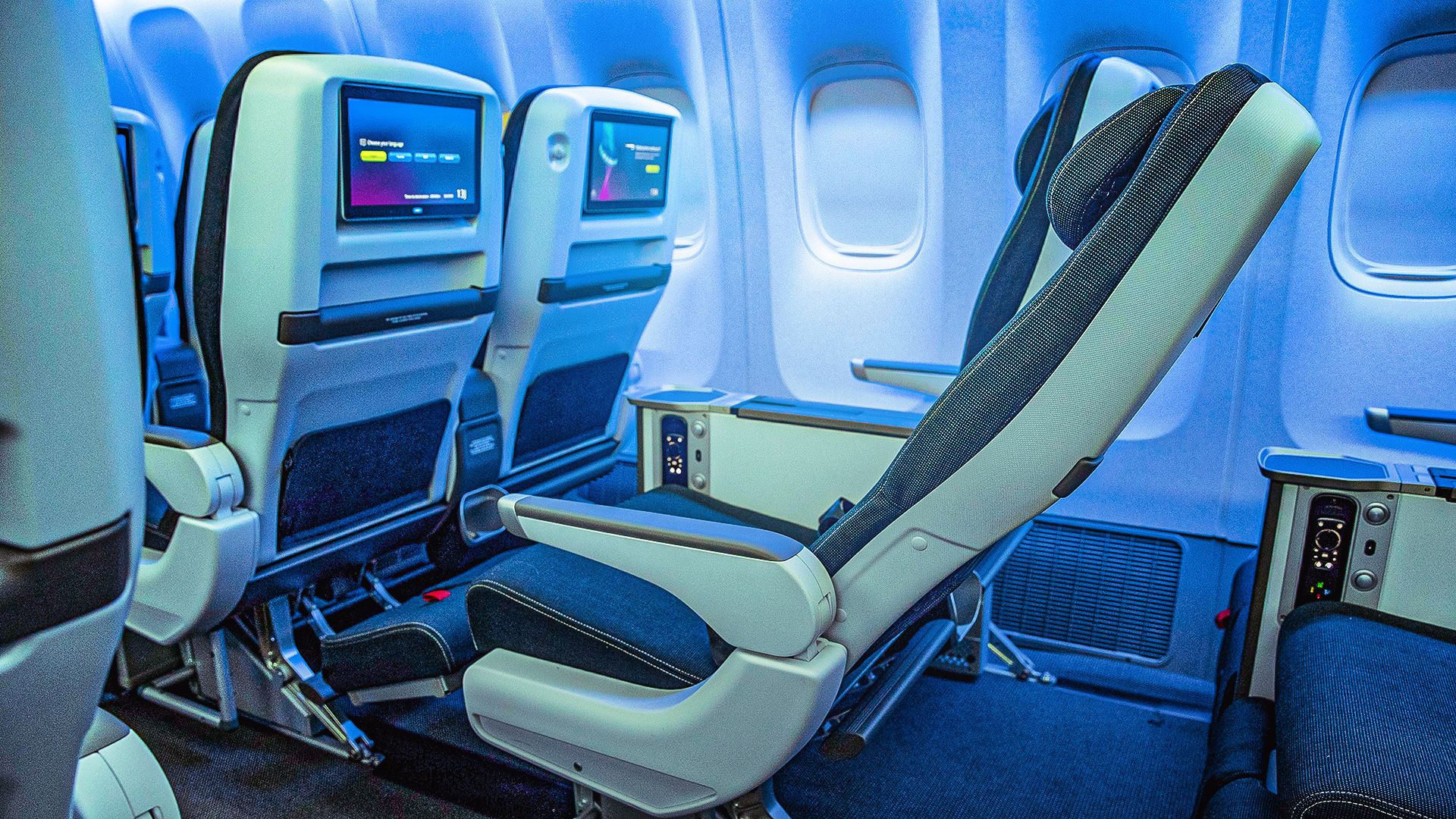
Most major airlines adhere to established standards for premium economy and economy class seating, though variations exist based on airline, aircraft type, and specific cabin configurations. Generally, economy class seats offer an average seat pitch of 30 to 31 inches (76 to 79 cm) on long-haul flights, while low-cost carriers may reduce this to 28 inches. In comparison, premium economy seats typically feature a seat pitch ranging from 38 inches (97 cm) to as much as 40 inches (102 cm), with seat widths generally between 19.0 and 19.5 inches (48 to 49.5 cm).
The recline feature also differentiates these classes. Premium economy seats can recline significantly more—by approximately 7 to 8 inches—compared to economy seats, which are often designed for limited recline due to the proximity of passengers behind.
Airlines are constrained when it comes to modifying the effective width of economy class seats, as this is dictated by the aircraft’s internal cabin design. Most aircraft are fixed to accommodate a specific number of seats abreast, usually 10 across in economy class. Notable exceptions include select Asian carriers like Japan Airlines and Korean Air, which configure their long-haul Boeing 777-300ERs to seat nine across instead of ten, providing added comfort for passengers.
Features and Pricing of Premium Economy
The appeal of premium economy lies in its ability to provide enhanced comfort without the hefty price tag associated with business class. According to Skyscanner, a premium economy fare typically costs 50% to 100% more than an economy class ticket but remains 50% less expensive than business class. In Europe, the price gap can extend to 1.5 to 2.3 times the cost of economy class fares.
Premium economy seats not only offer more space but also enhanced amenities. Passengers can expect upgraded catering, including meals served on porcelain dishware with metal cutlery, and an expanded beverage menu. Additional features often include larger touchscreens ranging from 13 to 16 inches, adjustable headrests, and footrests, contributing to a more pleasant flying experience.
Airlines such as Emirates configure their premium economy sections to seat passengers two-three-two (7-abreast) as opposed to the standard economy layout of three-three-three (9-abreast). This arrangement allows for more space and a less crowded environment.
The rise in demand for premium economy seating is evident as airlines adapt their fleets to meet passenger expectations. While first-class options have dwindled, airlines are focusing on expanding premium economy offerings. In March 2025, Delta Airlines reported that revenue generated from premium economy surpassed that of economy class for the first time.
The competitive landscape also sees airlines vying for an edge by enhancing their premium economy offerings. Some carriers are even retrofitting older aircraft with more premium economy seats to attract passengers looking for a comfortable upgrade from economy without the business class price tag.
As the airline industry continues to evolve, the premium economy class is increasingly seen as the ideal solution for travelers seeking both comfort and value.