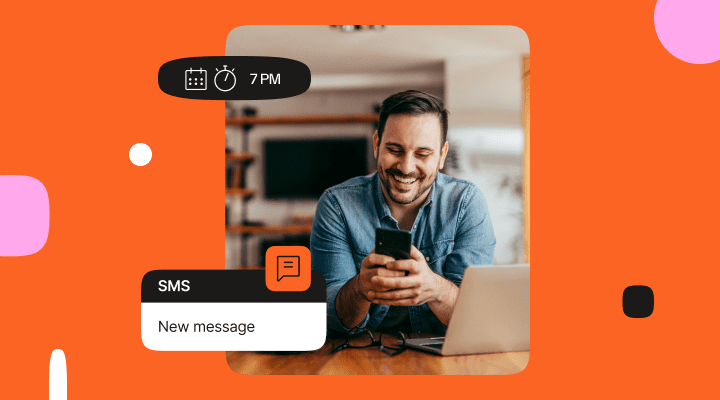
The timing of Pay-Per-View (PPV) messages on OnlyFans can significantly impact sales, as creators discover that sending the same content at different times yields varying results. Identifying optimal times for sending these messages tailored to specific audiences can enhance revenue. An understanding of general timing patterns coupled with individual audience behaviors provides a competitive edge.
Why Timing is Crucial for PPV Performance
Several factors contribute to the importance of timing in PPV sales. The availability of fans plays a critical role; messages sent when subscribers are busy often go unread. Additionally, a fan’s mood can heavily influence their purchasing decisions. Those in a relaxed state are generally more inclined to make purchases compared to those who are stressed or distracted. Financial timing also matters—messages delivered right after payday typically convert better than those sent during leaner financial periods. Lastly, competition for attention fluctuates throughout the day, with busy hours inundated by messages from various sources.
Research indicates broad patterns that can guide creators in their timing strategies. Evening hours, particularly between 19:00 and 22:00, often yield better engagement as subscribers are generally at home and more relaxed. Additionally, performance tends to improve over weekends, as people have more free time for content consumption. Notably, Friday evenings can capture an audience eager to unwind, while Sunday nights may see subscribers looking for entertainment before the workweek begins. Conversely, mid-week afternoons usually see lower engagement due to work commitments.
Adapting to Your Audience’s Unique Timing Needs
Understanding your audience’s geographical distribution is essential for effective timing. What works well in one time zone may not apply in another. Identifying the primary locations of your subscribers enables better timing strategies. Creators can implement staggered sending to reach fans across multiple time zones, ensuring that messages are delivered when they are most likely to be seen.
Financial patterns also provide insight into optimal sending times. Typically, the end and beginning of the month see increased spending as paychecks arrive, making these ideal times for high-value offers. Furthermore, periods like tax refund season in early spring can lead to spikes in consumer spending, as fans may be more willing to splurge with unexpected funds.
Different days of the week yield varying results for creators. Saturdays often outperform other days, as audiences engage more readily when they have leisure time. Sundays can also be effective, depending on the audience’s lifestyle. In contrast, Mondays typically see lower engagement as many return to work responsibilities. Midweek days, such as Wednesday and Thursday, present mixed results, making systematic testing essential to identify what works best for specific audiences.
Systematic testing is vital for discovering the most effective send times for your unique subscriber base. Track the timing of your messages alongside open and conversion rates, utilizing spreadsheets or notes to capture emerging patterns. It’s crucial to test one variable at a time, altering only the send time while keeping content consistent. Relying on a single send at a new time may not provide accurate data, so comparisons with similar content across different times are necessary.
Automation tools can streamline this process, allowing for consistent messaging without the need for manual sending. Services like FVAChatting can manage the timing of message delivery, ensuring that sends occur at optimal moments without interrupting the creator’s workflow.
Common mistakes often undermine timing strategies. For instance, sending messages when it is convenient for the creator rather than when fans are available can diminish engagement. Ignoring the significance of time zones may lead to disappointing international audiences, while hastily clearing tasks without considering timing can negatively impact performance.
As audiences evolve, so do optimal timing strategies. Changes in subscriber demographics and seasonal shifts can affect when fans are most engaged. Regularly reassessing and testing timing strategies ensures that they remain effective over time.
In conclusion, creators who invest time in optimizing message timing are likely to see improved PPV performance. Start by identifying your current best-performing send times and systematically test alternatives. Document successful strategies and develop a schedule that maximizes audience engagement and purchasing potential.