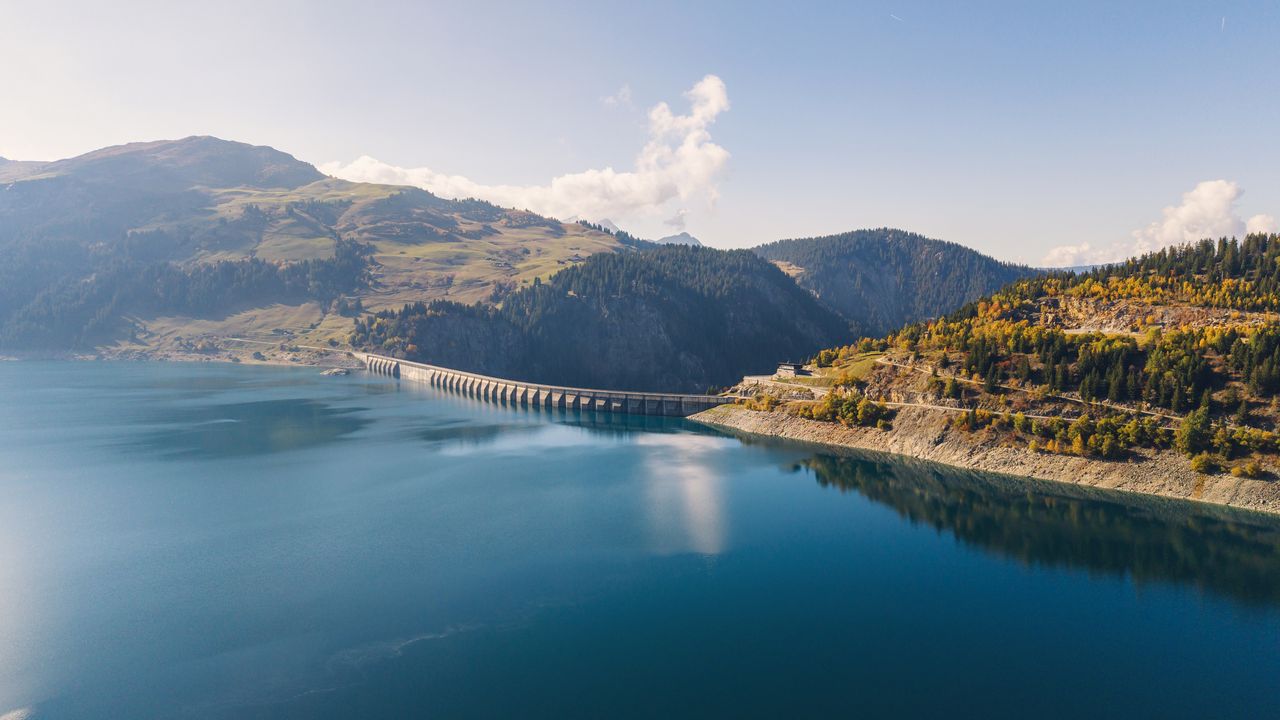
Investing in water stocks has gained attention as a viable option for diversifying portfolios, particularly in light of ongoing global water shortages. As many regions face increasing water scarcity, particularly in Southeast England due to extreme weather conditions like those caused by Storm Goretti, the focus on water as an essential resource is more pronounced than ever. The financial implications of this trend could offer investors significant opportunities for growth, especially as demand for water continues to rise.
Recent assessments highlight the economic value of water systems, with the World Wildlife Fund estimating it at approximately $58 trillion annually, which constitutes around 60% of global GDP. However, the accessibility of clean water is diminishing for many, as noted by Jasmine Savage, investment manager at Foresight Group. She indicates that by 2030, global water demand is expected to exceed available resources by about 40%. This mismatch between supply and demand underscores the urgent need for investment in water infrastructure and management.
Long-Term Trends Driving Water Investment
The investment landscape for water is shaped by several long-term trends, often referred to as “megatrends.” Marc-Olivier Buffle, head of thematic client portfolio management at Pictet Asset Management, emphasizes urbanization as a significant factor. Since the 1950s, the percentage of the global population living in cities has surged from about 30% to over 50% in 2011, with projections suggesting it could reach 70% by 2050. Comprehensive water infrastructure will be crucial for supporting this urban expansion.
Another critical aspect is the increasing public demand for clean, safe water. Contaminants such as per- and polyfluoroalkyl substances (PFAS), often termed “forever chemicals,” are raising health concerns. Governments are beginning to regulate these pollutants, which, while posing challenges for water suppliers, also open avenues for companies developing monitoring and treatment technologies.
Climate change adds another layer of complexity. The dual threats of droughts and flooding necessitate innovative solutions for water infrastructure, as highlighted by Buffle. The extremes brought on by climate change are driving the need for resilient water systems.
Investment Opportunities Across the Water Value Chain
Investors looking to capitalize on water should consider various segments within the water value chain. While familiar utility companies like Severn Trent and United Utilities offer more stable, defensive investments, there are opportunities in water treatment, analytics, and infrastructure construction. Companies such as Xylem, Thermo Fisher Scientific, and Agilent are involved in manufacturing equipment for monitoring water quality and treating contaminants.
These industrial players tend to be more sensitive to economic fluctuations, yet they also present opportunities for substantial growth. As Saurabh Sharma, fund manager of the Regnan Sustainable Water and Waste Fund, points out, the demand for ultrapure water is particularly high in industries like semiconductor manufacturing, where companies require water free from impurities. This need is driving investments in specialized water services, exemplified by the Japanese company Organo, which supplies high-quality water to operations like Taiwan Semiconductor Manufacturing Company (TSMC).
Investing in water can serve as a diversification strategy, providing both defensive qualities and growth potential. Funds like Pictet Water adopt a balanced approach, combining stable utility investments with more dynamic industrial opportunities. This strategy aims to yield consistent returns while also offering resilience during periods of economic instability.
As global water challenges intensify, the investment landscape for water appears promising. The ongoing structural shifts in demand, coupled with an urgent need for infrastructure improvements, suggest that water stocks could be a refreshing addition to an investment portfolio.