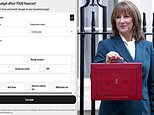
The recent budget announcement by Chancellor Rachel Reeves is set to profoundly affect households across the United Kingdom. By freezing income tax thresholds and adjusting various benefits, the government is implementing measures that could increase financial strain on many citizens. This budget plan, disclosed on November 30, 2025, includes a range of tax hikes and cuts to certain allowances, impacting individuals from various income brackets.
One of the most significant changes is the decision to maintain the income tax thresholds at their current levels for another three years. The tax-free personal allowance will remain at £12,570 until 2031. Similarly, the higher rate threshold, where income tax escalates to 40 percent, will stay at £50,270, while the additional rate threshold, applicable for incomes above £125,140, will also be frozen. This freeze comes at a time when consumer prices have risen by 27 percent since the thresholds were last altered in 2021, effectively pushing many earners into higher tax brackets without an actual increase in income.
The impact of these decisions is substantial. For instance, a worker earning £50,000 who sees their income rise in line with inflation to £63,500 would now face a tax increase of approximately £2,700 due to the lack of adjustments in the tax bands. The Chancellor also announced the freezing of the National Insurance thresholds, which will disproportionately affect middle-to-high earners, as the structure of National Insurance means that a greater portion of their income is taxed at a higher rate.
In addition to these tax increases, the budget also includes cuts to various benefits and allowances. The £2,000 benefit cap for families with more than two children has been scrapped, and the government plans to eliminate certain green levies on energy bills. Nonetheless, these measures may not offset the financial burden imposed by the tax hikes.
Moreover, the adjustments to student loan repayment thresholds, which will remain fixed until 2030, are likely to affect many graduates. Currently set at £28,470, this threshold will only rise to £29,385, meaning that hundreds of individuals may find themselves pushed into repayment obligations as wages increase.
For those concerned about how these changes will specifically affect their finances, a detailed calculator has been made available. This tool allows users to input their income, expenses, and other financial details to ascertain the exact impact of the budget measures on their personal finances.
As this budget unfolds, it is evident that many Britons will need to reassess their financial strategies in light of these changes. With inflation continuing to pose challenges, households may face years of stagnating living standards, as both taxation and living costs rise.
In conclusion, the budget set forth by Chancellor Reeves has initiated a significant shift in the economic landscape for many individuals and families across the United Kingdom. The combination of frozen tax thresholds and adjustments to benefits will require careful financial planning and may lead to heightened economic uncertainty for the foreseeable future.