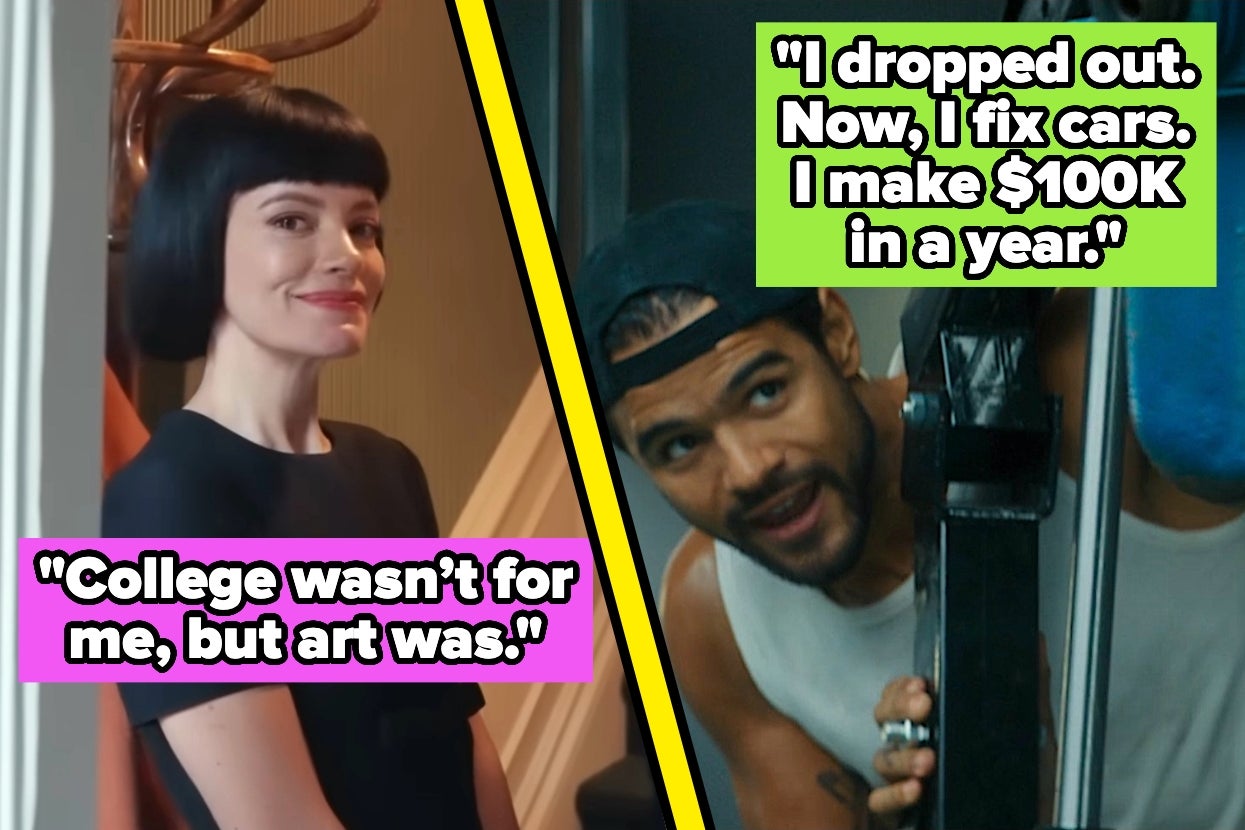
A growing number of individuals are sharing success stories about their careers achieved without a college degree, prompting reflection on the value of higher education. Many have found lucrative opportunities that not only provide financial stability but also personal fulfillment. This situation raises questions about the traditional education path and the associated costs, particularly in light of the average student debt, which can exceed $80,000.
The narrative around education and career success is shifting. Increasingly, people are revealing how they have navigated their professional journeys without the typical qualifications. Their experiences highlight alternative pathways that can lead to successful careers.
Success Stories Across Diverse Fields
Many individuals have reported thriving in various sectors, including technology, sales, and entrepreneurship. These stories illustrate that skills, experience, and networking can often outweigh formal education in today’s job market. For instance, a software developer shared how self-taught programming skills allowed them to secure a position at a major tech company, bypassing the need for a formal degree entirely.
Another individual recounted their rise in real estate, starting as an assistant and leveraging on-the-job training and mentorship to build a successful business without a college education. Their journey emphasizes the importance of practical experience and continuous learning, which many argue can be more valuable than a traditional diploma.
The Changing Perception of Higher Education
The conversations surrounding these stories often include a critical examination of the purpose and cost of higher education. With student debt at an all-time high, many are questioning whether the return on investment for a college degree is worth it. The financial burden can weigh heavily on graduates, leading some to reconsider their choices and explore non-traditional routes.
Several respondents emphasized the need for a shift in societal attitudes toward vocational training and apprenticeships. They argue that these paths can provide essential skills and opportunities that lead to fulfilling careers without the significant financial burden of a four-year college.
As more individuals share their experiences and successes, the dialogue continues to evolve. Those who have not pursued traditional degrees are encouraged to share their job situations, fostering an environment of support and understanding among those exploring alternative career paths.
Ultimately, the stories of these individuals serve as a reminder that success can be defined in many ways, and that the path to achieving it does not always require a college education.