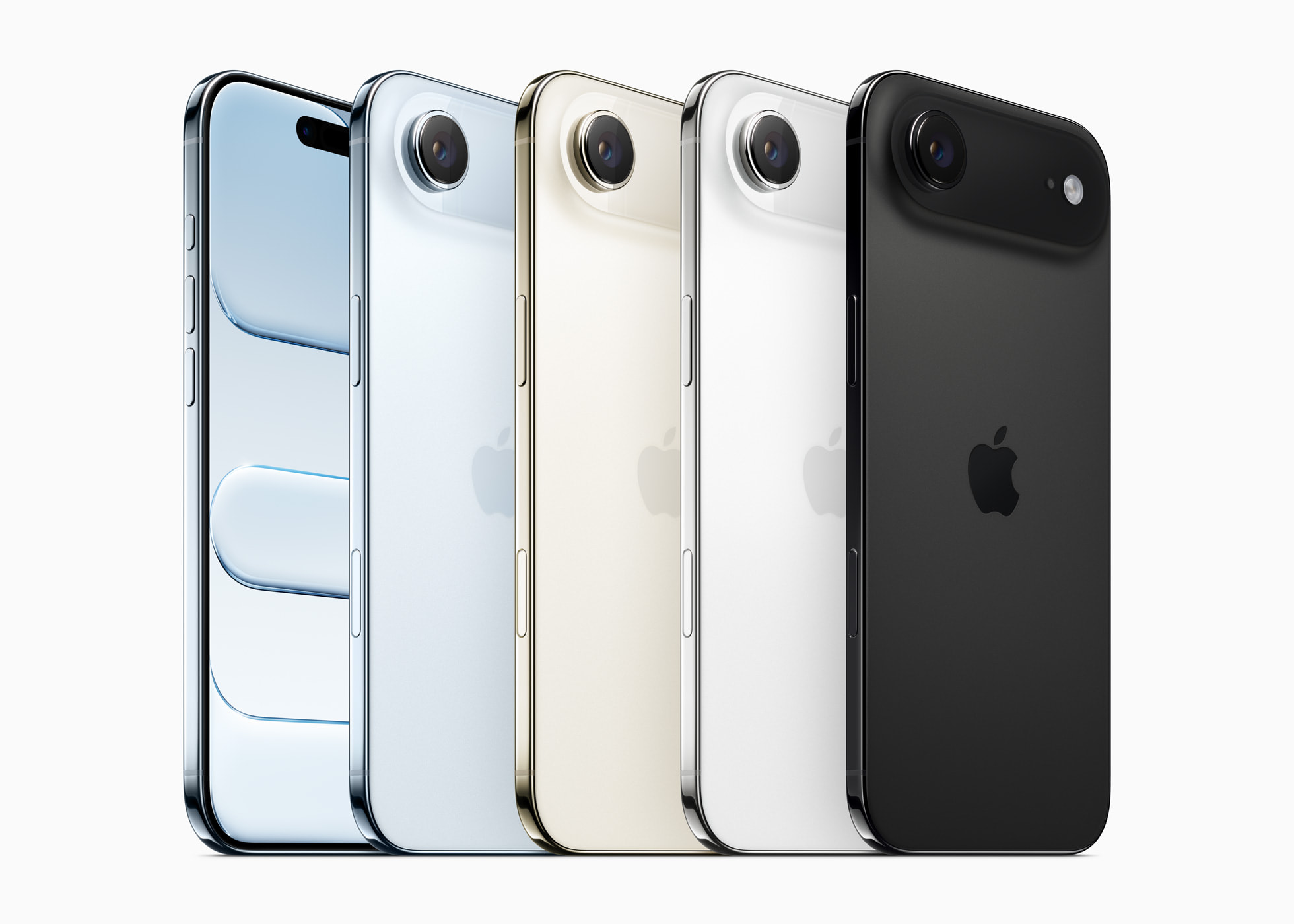
URGENT UPDATE: The disastrous launch of Apple’s iPhone Air has sent shockwaves through the smartphone industry, prompting major rivals to cancel their plans for ultra-thin devices. Reports emerging from October 2023 indicate that companies like Oppo, Vivo, and Xiaomi are reevaluating their strategies in light of the iPhone Air’s poor market performance.
New data confirms that Apple’s latest model has failed to gain traction, leading to significant setbacks in production. The iPhone Air has reportedly seen sales plummet, compelling partners like Foxconn and Luxshare to cut production lines. Foxconn was the first to dismantle its iPhone Air facilities, a move that highlights the severity of Apple’s situation.
According to a report from DigitTimes Asia, several Chinese smartphone manufacturers are now shelving their ultra-thin smartphone projects. These companies had initially aimed to compete directly with the iPhone Air but have now opted for more conventional designs. Xiaomi, for instance, had planned to introduce a “true Air model” to rival Apple’s product, while Vivo was set to launch a midrange offering from its S series that would feature a slim profile. Both projects are now on indefinite hold.
The industry’s response comes after Apple faced challenges related to the iPhone Air’s design choices, which included a single rear camera and a smaller battery. These compromises have not resonated well with consumers, leading to a reassessment among Apple’s competitors regarding the viability of ultra-thin devices.
In a further ripple effect, South Korean giant Samsung has also pulled back on plans for its upcoming Galaxy S26 Edge, attributing this change to disappointing sales of its Galaxy S25 Edge. This signals a broader trend of caution among major smartphone players as they navigate the fallout from Apple’s misstep.
Industry insiders are closely watching how this situation will unfold, as any future developments could reshape the smartphone landscape. As rival brands pause their ultra-thin endeavors, the implications for innovation and consumer choice remain uncertain.
Keep an eye on this space for the latest updates as the smartphone market continues to react to Apple’s ongoing challenges.