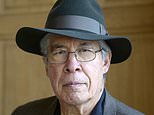
UPDATE: Acclaimed author Thomas King, 82, has made a shocking revelation: after decades of identifying as part-Cherokee, he has confirmed he has no Native heritage. This unexpected announcement has sent shockwaves through the literary community, as King has dedicated over 40 years to highlighting Indigenous experiences in his work.
In a candid interview with The Globe and Mail, King disclosed that he was informed by a genealogist from the Tribal Alliance Against Frauds earlier this month, leading him to confront his family’s history. “It’s been a couple of weeks since that video call, and I’m still reeling,” he expressed, feeling as if he has been “ripped in half.” King’s journey began when he sought to validate his ancestry amidst growing rumors questioning his claims.
King’s mother had always assured him of his Cherokee lineage, and he even traced connections to an aunt who supported his belief. However, the genealogist uncovered a different reality: “No Cherokee on the King side. No Cherokee on the Hunt side. No Indians anywhere to be found,” he wrote. This revelation has forced King to grapple with the implications of his identity and the authenticity of his acclaimed works.
Throughout his career, King has published more than 20 books, primarily focused on the injustices faced by Indigenous peoples in North America. His contributions were recognized when he was named a Companion of the Order of Canada in 2020, one of the country’s highest honors. As he comes to terms with his lack of Indigenous heritage, King faces the uncomfortable truth of whether he benefitted from opportunities meant for Indigenous authors.
“I can understand why Indigenous causes may now distance themselves from me,” King acknowledged, highlighting the broader implications of his situation at a time when scrutiny over claims of Native heritage is increasing.
This incident comes amid heightened attention on the validity of public figures’ claims to Indigenous ancestry. Recent controversies have included accusations against prominent individuals such as Canadian singer Buffy Sainte-Marie and Boston Mayor Michelle Wu, both facing backlash for alleged misrepresentations of their backgrounds.
As King reflects on his journey and the impact of this revelation, he emphasizes the importance of authenticity in storytelling and the responsibility that comes with it. The literary world watches closely, waiting to see how this admission will affect King’s legacy and the conversations surrounding Indigenous representation in literature.
The urgency of this revelation resonates deeply, as it raises critical questions about identity, heritage, and the narratives we share. As more individuals and organizations examine the integrity of claims to Indigenous heritage, King’s story serves as a poignant reminder of the complexities involved.
For now, Thomas King is left to navigate this new reality, urging readers and fellow writers to consider the significance of truth in their stories. As he stated, “I operated under the true belief that I did have mixed heritage,” a sentiment that many can empathize with as discussions about cultural identity continue to evolve.