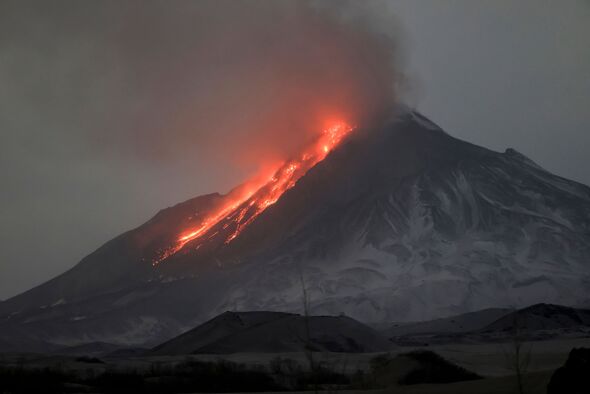
A significant eruption of the Bezymyanny Volcano occurred on October 20, 2023, in the Kamchatka Peninsula, located in Russia’s far eastern region. The eruption sent a volcanic ash plume soaring over three miles into the atmosphere, according to reports from local media outlets. This event marks a notable geological occurrence in an area known for its volcanic activity.
The Kamchatka Peninsula is home to numerous active volcanoes, making it a focal point for scientists and volcanologists. The Ministry of Emergency Situations in Russia has been monitoring the situation closely. Preliminary assessments indicate that the eruption poses no immediate threat to nearby settlements, although authorities remain vigilant for any changes in volcanic activity.
Impacts and Safety Measures
The ash cloud generated by the eruption could have potential implications for air travel in the region. Volcanic ash can disrupt flight paths, and airlines operating in and out of nearby airports may need to adjust their schedules temporarily. The ministry has issued advisories to ensure the safety of both residents and travelers.
In the wake of the eruption, scientists from the Kamchatka Volcanological Station are engaged in ongoing research to understand the eruption’s dynamics and potential future activity. The station plays a crucial role in monitoring volcanic eruptions and providing timely information to mitigate risks.
As the situation develops, local authorities are prepared to implement emergency protocols if necessary. Residents have been advised to stay indoors and wear masks to protect against inhaling ash particles, which can be harmful to health.
Volcanic Activity in Perspective
The Bezymyanny Volcano has a history of notable eruptions, with significant activity recorded since its major eruption in 1955. This latest eruption serves as a reminder of the dynamic geological processes that characterize the region.
Volcanic eruptions can have far-reaching effects, impacting ecosystems, climate, and human activity. As researchers continue to study this event, the data collected will enhance understanding of volcanic behavior and improve preparedness for future eruptions.
The international community remains attentive to developments in Kamchatka. Geologists and environmental scientists worldwide are analyzing the eruption’s data to assess its broader implications.
As the region processes this latest eruption, the focus will remain on monitoring volcanic activity, ensuring public safety, and understanding the implications for both local residents and the environment.