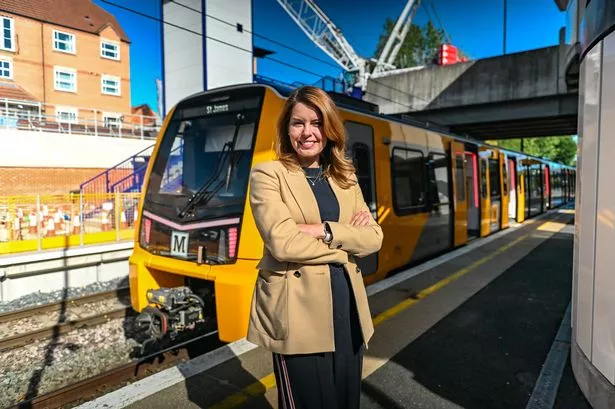
UPDATE: North East mayor Kim McGuinness is urgently calling on the Government to extend the recently announced rail fare freeze to the Tyne and Wear Metro as officials confirm a significant funding gap. The freeze, the first in 30 years, currently applies only to regulated rail fares in England and does not cover local transport, leaving Metro passengers at risk of rising costs.
The Government’s announcement over the weekend, led by Chancellor Rachel Reeves, aims to alleviate cost of living pressures, but Metro users could face a dire situation as the service grapples with a £5 million deficit. Nexus managing director Cathy Massarella warned that without urgent action, the Metro could become “unsustainable.”
Speaking to the Local Democracy Reporting Service, McGuinness stressed the need for equitable treatment for all transport users. “It’s fantastic news that regulated rail fares will be frozen to help passengers with travel costs,” she said. “I hope this is extended to cover all rail fares. They are just too expensive and too complicated.”
As part of her plan, McGuinness is advocating for the Chancellor to provide long-term support, extending the £2.50 cap on single bus journeys until March 2027. This measure aims to further ease travel costs for local residents, especially those relying on public transport daily.
In July, Metro and Shields Ferry fares increased by an average of 4.6%, raising the maximum cost of a single Metro trip to £4.70. However, cheaper options are available for those using the Pop Pay As You Go (PAYG) card, making it crucial for the public to be aware of their choices. McGuinness had previously requested a delay to the fare hike, recognizing the disruption caused by the sudden closure of the Gateshead Flyover.
The North East Public Transport Users Group fully supports McGuinness’s call for a fare freeze on the Metro. A spokesperson stated, “For many years, fuel duty has been frozen for motorists while public transport users have faced above-inflation fare rises year after year. It’s time that those who rely on public transport are protected from the cost of living crisis too.”
Transport Secretary Heidi Alexander echoed the importance of affordable travel, confirming that commuters on more expensive routes could save over £300 annually due to the fare freeze. “This is part of our wider plans to rebuild Great British Railways the public can be proud of and rely on,” she said.
As the situation develops, McGuinness and local officials are crafting proposals for Metro and ferry fares that will be presented to the North East Combined Authority cabinet early next year. The urgency for a fare freeze is greater than ever as public transport users face continual financial strain amidst rising living costs.
Stay tuned for updates on this critical issue affecting commuters in the North East.