BREAKING: New revelations show that Queen Elizabeth II once offered Winston Churchill a Dukedom title, which he surprisingly declined for a deeply personal reason. This intimate detail sheds light on their unique relationship, marking a significant moment in British history.
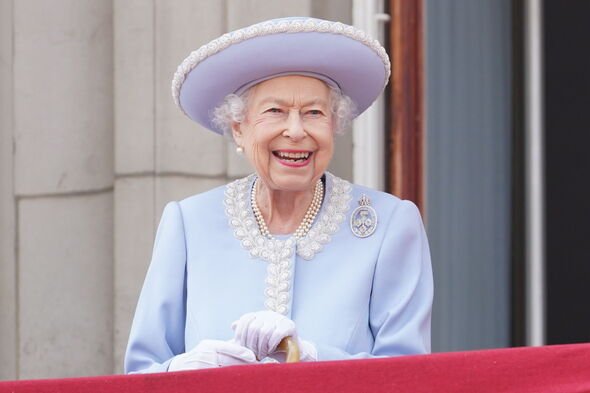
According to the latest insights from author Valentine Low in his book Power and the Palace, the late Queen and Churchill shared a bond that was both professional and personal, especially since he was her first Prime Minister when she ascended the throne in 1952. Their connection was so profound that the Queen attended a farewell dinner for Churchill at 10 Downing Street in 1955 when he stepped down from his role, a rare honor for a sitting monarch.
The Queen’s desire to bestow the Dukedom upon Churchill revealed her admiration for him, despite the Palace traditionally reserving such titles for royals. In a surprising twist, the Queen reportedly wanted to offer the prestigious title under the condition that Downing Street would ensure he would decline it. Those close to Churchill initially believed he would reject the offer outright, but it turns out he was genuinely considering it.
Reflecting on his decision, Churchill recounted to his private secretary, John Colville, “I very nearly accepted… I was so moved by her beauty and charm… But finally, I remembered that I must die as I have always been – Winston Churchill.” His poignant words highlight the significance of identity and legacy, which he valued deeply.
Churchill’s decline was met with unexpected relief from the Queen, who had maintained a private demeanor concerning political figures. Their relationship was characterized not only by mutual respect but also a shared sense of humor. Former Private Secretary Tommy Lascelles noted in his diary how their conversations were often filled with laughter, revealing a lighter side to their interactions.
Churchill’s rapport with the royal family extended to her father, King George VI, further cementing his place in British history. As new details about their relationship emerge, the emotional depth and complexity of their interactions serve as a reminder of the human connections that underpin major historical events.
This intriguing backstory is capturing the attention of historians and royal watchers alike, urging them to reflect on the personal dynamics that often shape political landscapes. As these conversations about legacy and honor continue, the dialogue surrounding Churchill and Queen Elizabeth II’s relationship remains relevant today.
Stay tuned for more updates as we delve deeper into this fascinating aspect of British royal history.