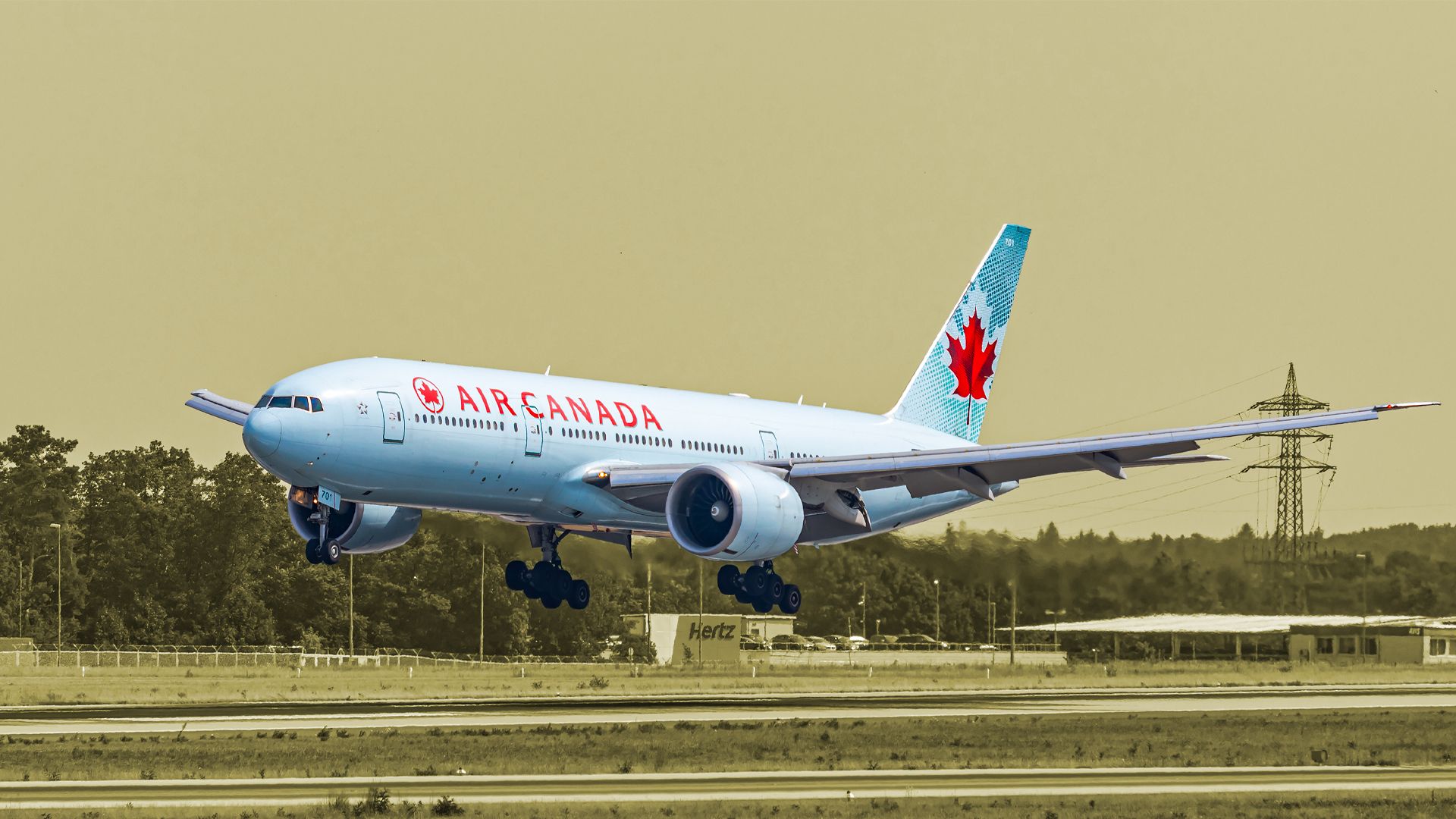
UPDATE: The iconic Boeing 777-200LR is on the brink of retirement as airlines urgently seek to modernize their fleets with newer, more efficient models. As of now, only 35 active Boeing 777-200LRs remain in commercial service, with major operators like Emirates and Qatar Airways leading the charge in phasing out the aging aircraft.
The shift comes as airlines are increasingly turning to the Boeing 787 Dreamliner and the new Boeing 777X series, expected to be certified by 2027. This transition is pivotal for enhancing operational efficiency and reducing fuel costs, a pressing concern in today’s competitive aviation market.
The Boeing 777-200LR, which debuted in 2006, revolutionized long-haul travel with its impressive range of 8,555 nautical miles (9,845 miles), setting records for nonstop flights. However, advancements in aircraft technology mean that newer models now offer similar capabilities at lower operating costs, prompting airlines to reevaluate their fleets.
According to reports from ch-aviation, Emirates currently operates 10 Boeing 777-200LRs, while Qatar Airways manages 7. Both airlines have begun to replace these aircraft with the more fuel-efficient 787 Dreamliner and are eyeing the much-anticipated 777X series.
The urgency of these developments was underscored by Emirates’ recent announcement that it has increased its order for the 777X to a staggering 270 aircraft, highlighting a clear trend towards investing in next-generation technology.
The Airbus A350 is also a strong contender in the race to replace the 777-200LR. Since its commercial introduction in January 2015, the A350 has become a favorite among airlines, boasting a range of 8,500 nautical miles and exceptional fuel efficiency.
As the aviation industry braces for this major transition, the impact on global travel patterns and airline operations will be significant. The retirement of the 777-200LR marks the end of an era while paving the way for a new generation of aircraft designed to meet the evolving demands of air travel.
For travelers, this means that the future of long-haul flights will likely offer improved comfort and efficiency, with airlines committed to investing in state-of-the-art technology. As airlines make these critical decisions, all eyes will be on how quickly they can implement these changes to meet the needs of their passengers in an increasingly competitive market.
Stay tuned for more updates on this developing story as airlines finalize their transition plans and the new aircraft enter service.