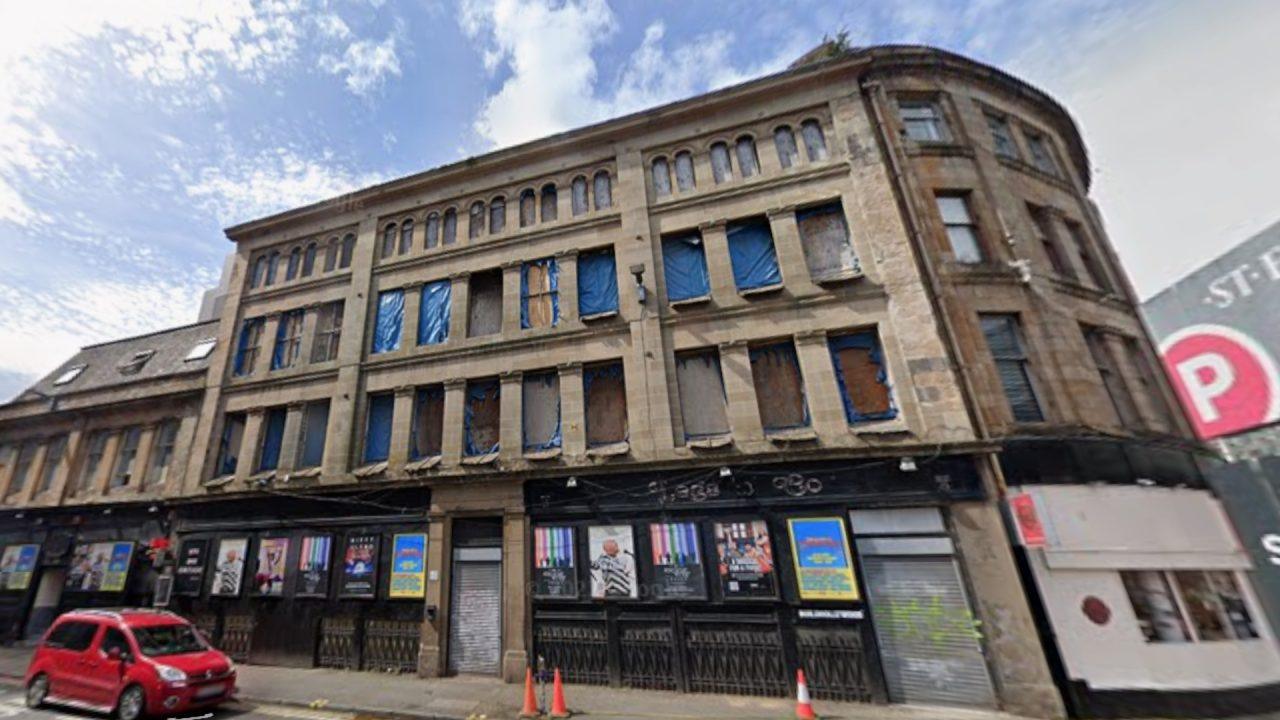
UPDATE: Plans for a £45 million Radisson Apart Hotel in Glasgow have been officially rejected, a decision that could significantly impact the city’s development and job market. This urgent news follows a meeting held on October 24, 2023, where councilors weighed the future of a derelict site on Maxwell Street that had been on the market for just £1 with no other offers.
The proposed hotel, which would have been the first of its kind in the UK, aimed to transform a B-listed former print works into a modern facility featuring 236 rooms. It was projected to create 230 construction jobs during development and 75 permanent roles upon completion. However, the proposal faced fierce opposition from local objectors who expressed concerns about the loss of historical properties and the scale of the proposed 19-storey structure.
At the planning committee meeting, Jay Singh from the applicant, Regent Property, highlighted the urgent need for redevelopment, stating, “These buildings were on the market for over 18 months at a price point of £1 but nobody came forward. It is, unfortunately, the dilemma we are all in in Glasgow.”
Despite extensive efforts to save the historic site, councilors were ultimately divided. Five members voted against the proposal while four supported it. Chair Ken Andrew acknowledged the difficult position, stating, “I absolutely get that when you put concrete render on stone buildings – it absolutely ruins them. It is just not allowed now and rightly so.” He raised concerns about the hotel’s imposing design and its fit within the narrow street context.
Supporters of the project, including Councillor Imran Alam, argued that the development was crucial for boosting local tourism and job creation. “We don’t want buildings to lie derelict,” he asserted, emphasizing that similar buildings have successfully been erected in the area.
The rejection of this development raises significant questions about Glasgow’s ability to revitalize underused sites and attract potential investors. With the city facing challenges related to anti-social behavior in the area, supporters of the hotel claimed it would improve safety and vibrancy around the St Enoch Centre.
As Glasgow continues to grapple with its historical architecture and modern development needs, the implications of this decision are profound. The city now faces a pressing need for alternative solutions to rejuvenate its landscape while preserving its heritage.
Developers and residents alike will be watching closely to see what unfolds next in the city’s ongoing struggle between preserving history and pursuing progress. This situation remains developing, and updates will follow as they emerge.