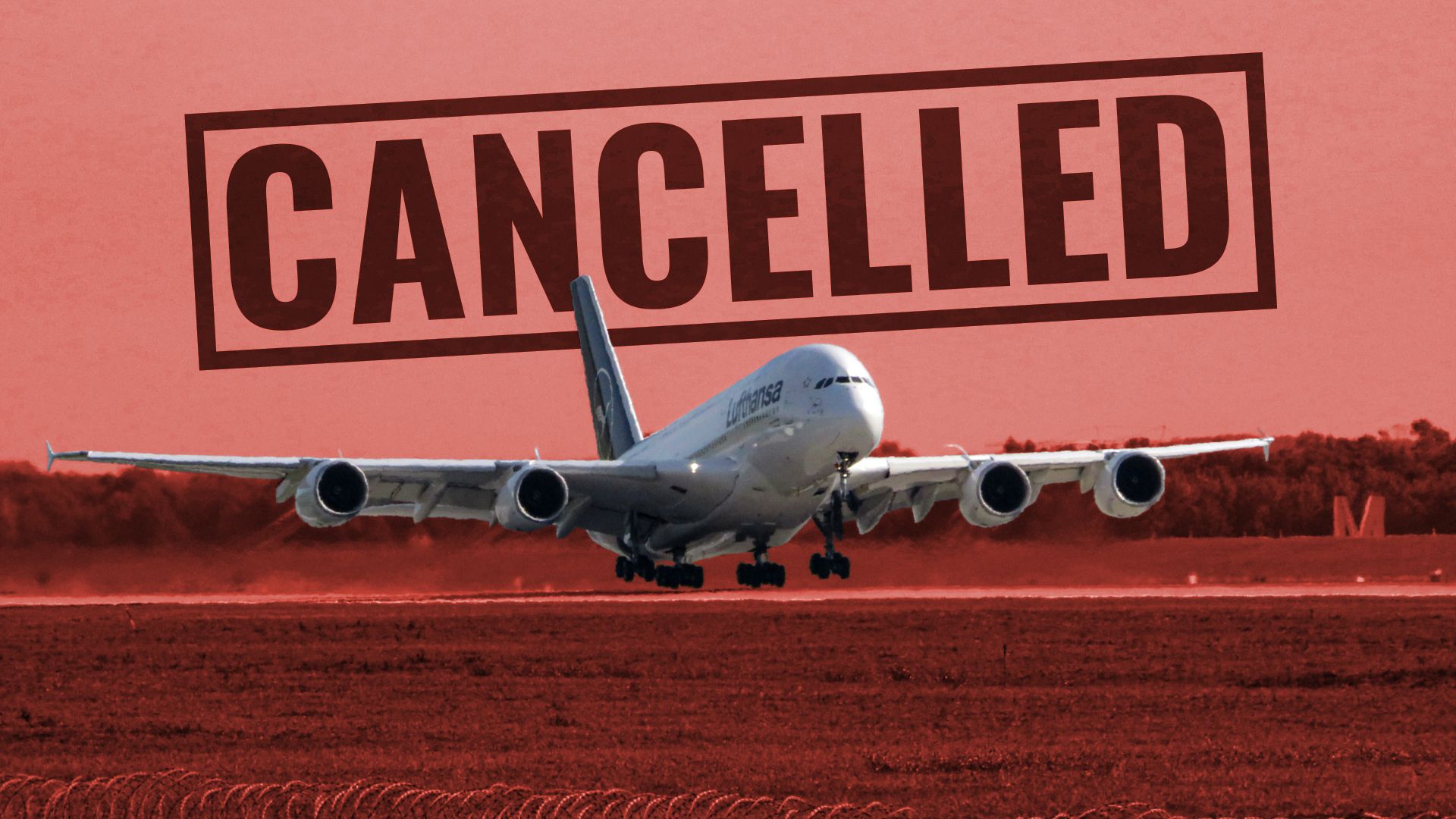
BREAKING: Airbus has officially scrapped plans for the A380 Freighter (A380F), a move that could reshape the cargo aviation landscape. The decision, confirmed by the manufacturer earlier today, marks the end of a project that had initially garnered 27 orders and additional options from major airlines.
The A380F, launched in 2001, was designed to be one of the world’s highest-capacity cargo airliners, capable of transporting vast quantities of freight. The ambitious project included concepts for a modular design featuring both passenger and cargo decks, adjustable according to market needs. However, by 2013, the A380F had vanished from Airbus’s website, signaling doubts about its future.
This development comes at a pivotal time for the cargo industry, which has seen surging demand for air freight amid global supply chain disruptions. The decision to discontinue the A380F raises questions about capacity and competition in the cargo sector, especially as traditional cargo aircraft struggle to keep pace with evolving market demands.
WHY THIS MATTERS NOW: The cancellation of the A380F reflects broader trends in the aviation industry, where airlines are increasingly focusing on more versatile and efficient aircraft. As air freight demand continues to rise, this shift could lead to significant changes in air cargo operations worldwide.
Airbus’s decision is expected to have immediate repercussions, particularly for logistics companies and airlines that had anticipated the A380F’s entry into service. Stakeholders are now left to reconsider their strategies in light of this sudden change.
Officials from Airbus have not provided detailed reasons for the cancellation, but industry analysts point to the complexities and costs associated with developing a new freighter model amid competitive pressures. The focus may now shift to enhancing existing models or developing new, more efficient freighter designs.
As the aviation community processes this news, all eyes will be on Airbus to see how it plans to navigate the evolving cargo market. The implications of this decision could resonate for years to come, affecting not just Airbus but the entire air freight industry.
Stay tuned for further updates on this developing story as more information becomes available.