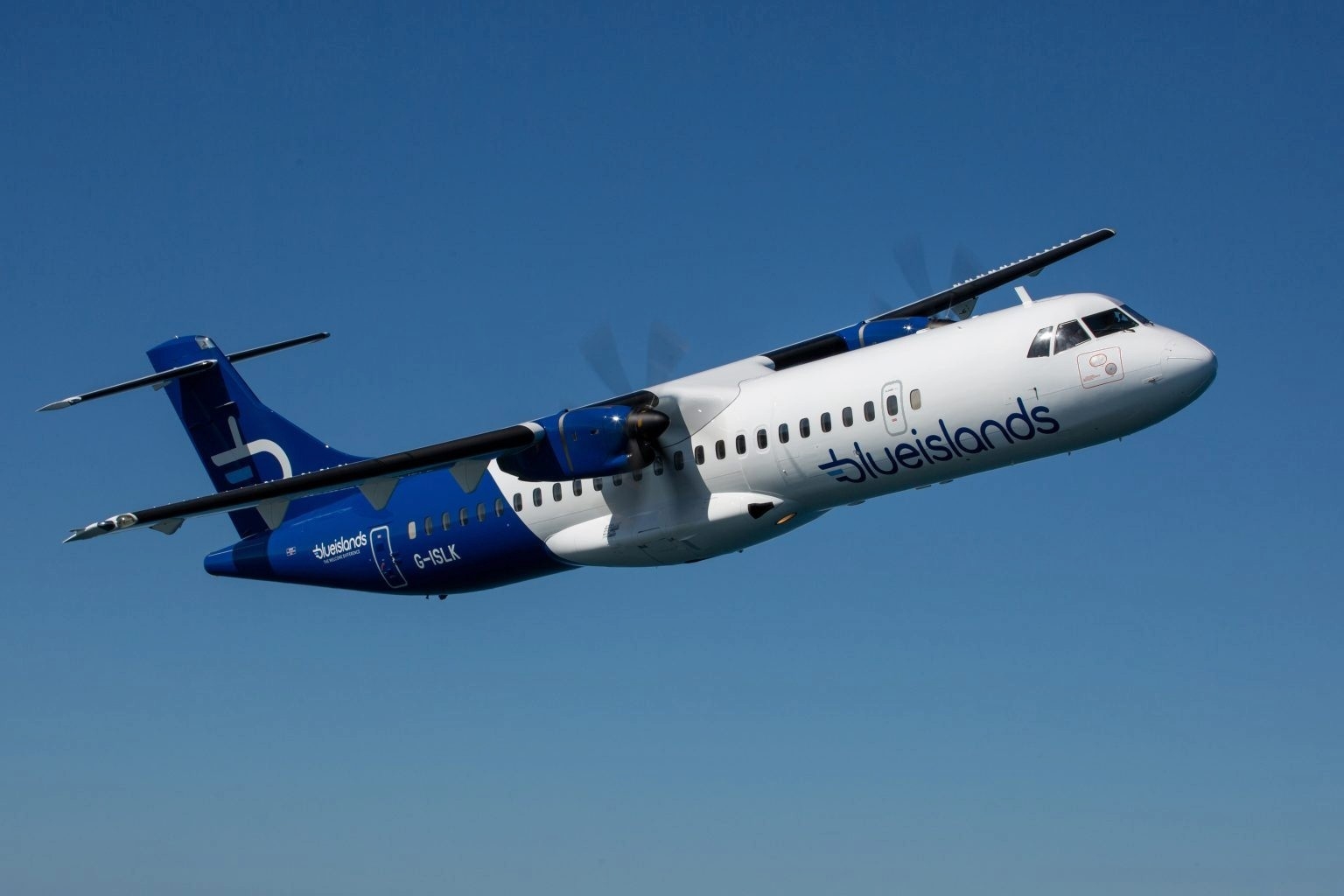
The regional airline Blue Islands has abruptly ceased all operations, shocking both passengers and staff who had heard rumors in the media before the official confirmation at 21:53 on Friday evening. The announcement came after a tumultuous week, during which the airline was actively recruiting for multiple positions, raising questions about the sudden shift in its operational status.
In an email to employees, Blue Islands’ CEO expressed his disbelief at the situation, indicating that the decision to halt flights was unexpected. The airline’s financial struggles have been well-documented, with reports suggesting it owed the government approximately £7 million in Covid support, and recent delays and cancellations had further compounded its issues. According to sources, a meeting of the Council of Ministers on Friday led to the conclusion that enough was enough, prompting the airline to ground its fleet.
Timeline of Events Raises Questions
The rapid decline of Blue Islands warrants a closer examination of the events leading up to this decision. The airline had been experiencing operational difficulties, which were evident in its summer schedule. Passengers and staff alike were left scrambling as the news unfolded, highlighting the lack of transparency surrounding the airline’s financial health and operational viability.
In the wake of Blue Islands‘ departure from the market, Loganair has stepped in to fill the void, offering regional air travel options. As a larger operator, Loganair’s entry may provide greater stability for local travelers, but the speed at which this change occurred suggests significant behind-the-scenes activity in the lead-up to the announcement.
The immediate fallout from Blue Islands‘ closure affects thousands of passengers, including local sports teams reliant on the airline’s services. The Consumer Council has issued guidance to assist affected customers in recovering their funds for flights that will no longer take place, addressing a critical concern given the financial implications for many.
Legacy of Blue Islands in Regional Aviation
Established in 1999 as Le Cocqs Airlink, Blue Islands began its journey transporting perishable goods before expanding into passenger services in 2002. Over the years, it evolved through various rebrandings, ultimately becoming the primary operator on inter-island routes. The airline’s operations were vital for many, connecting communities in Alderney, Guernsey, and Southampton.
The sudden end of Blue Islands marks a significant shift in regional air travel, a sector that has already faced considerable disruption this year. As new operators emerge, there is cautious optimism about future services, but concerns about the overall stability of transport links remain. The airline’s legacy, built over two decades, now hangs in the balance as the industry navigates these changes.
With the community reeling from the news, stakeholders are eager for clarity on how the situation will unfold and what it means for the future of air travel in the region.