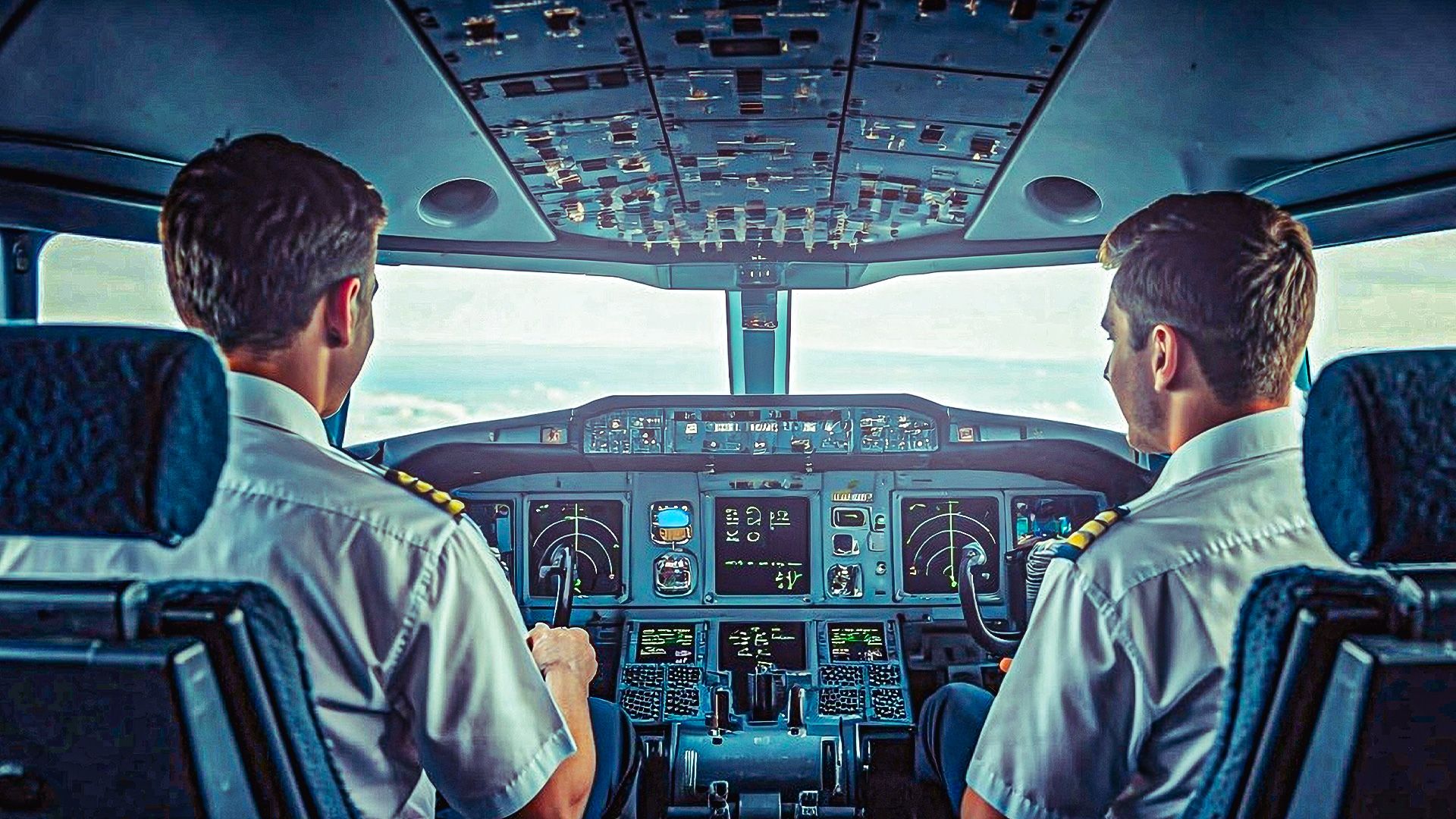
UPDATE: A new report reveals a staggering pay gap between airline captains and first officers, with captains earning up to $450,000 annually compared to first officers’ salaries ranging from $90,000 to $150,000. This disparity is critical as airlines worldwide struggle with a severe pilot shortage that has intensified in 2023.
The soaring demand for pilots has prompted airlines like Delta, United, and American to raise salaries and offer unprecedented sign-on bonuses. However, the structural factors contributing to the captain-first officer pay gap remain firmly entrenched. Understanding why this divide exists is essential for grasping the dynamics of the aviation industry today.
Captains, who command the aircraft and bear the ultimate responsibility for safety, hold a higher rank and significantly more duties than first officers. The pay scale reflects not just experience but also the legal accountability associated with being the pilot in command. In the United States, major airlines report that captains earn between $300,000 and $450,000, while first officers average between $90,000 and $150,000, creating a significant financial divide.
The economic landscape for pilots is evolving. The US Bureau of Labor Statistics indicates that median pilot salaries are among the highest in the nation, with airline and commercial pilots averaging $226,600 in 2024. As airlines grapple with a talent shortage, first officer pay has surged by over 40% since 2023, yet the captain’s premium persists.
Factors such as training costs, rank responsibilities, and market dynamics play crucial roles in shaping this pay gap. For instance, entry into the pilot profession requires substantial financial investment, with training programs costing upwards of $116,995. While some regions, like Europe and the Middle East, provide airline-sponsored cadet programs that alleviate initial costs, many US pilots shoulder this burden themselves.
The aviation industry’s business model also influences pay scales. Legacy carriers in the US offer structured, seniority-based compensation, while low-cost airlines often pay significantly less. In the Middle East, airlines like Emirates and Qatar Airways attract pilots with tax-free salaries exceeding $320,000, alongside housing and family benefits.
Experts suggest that the captain-first officer pay gap is unlikely to narrow significantly in the immediate future. Promotion to captain requires thousands of flight hours, rigorous evaluations, and leadership training. The complexity and responsibility tied to the captain’s role justify the financial disparity, as these pilots ensure safety and decision-making in high-pressure scenarios.
As the aviation landscape continues to evolve, airlines are exploring automation technologies. However, experts agree that human pilots, particularly captains, will remain vital in managing complex flight operations. The reality is that while airlines work to bridge this pay gap, the structural factors at play are deeply rooted in the industry.
The implications of this pay gap extend beyond financial metrics; they speak to the hierarchy of safety and command that defines aviation. Captains embody mentorship and leadership, guiding future aviators in their careers. The four stripes on a captain’s shoulder symbolize trust, discipline, and an unwavering commitment to safety.
Stay tuned for more updates as the aviation industry reacts to these developments and seeks to address the ongoing pilot shortage. The dynamics of pilot compensation are changing rapidly, making it essential for both aspiring pilots and industry stakeholders to stay informed.