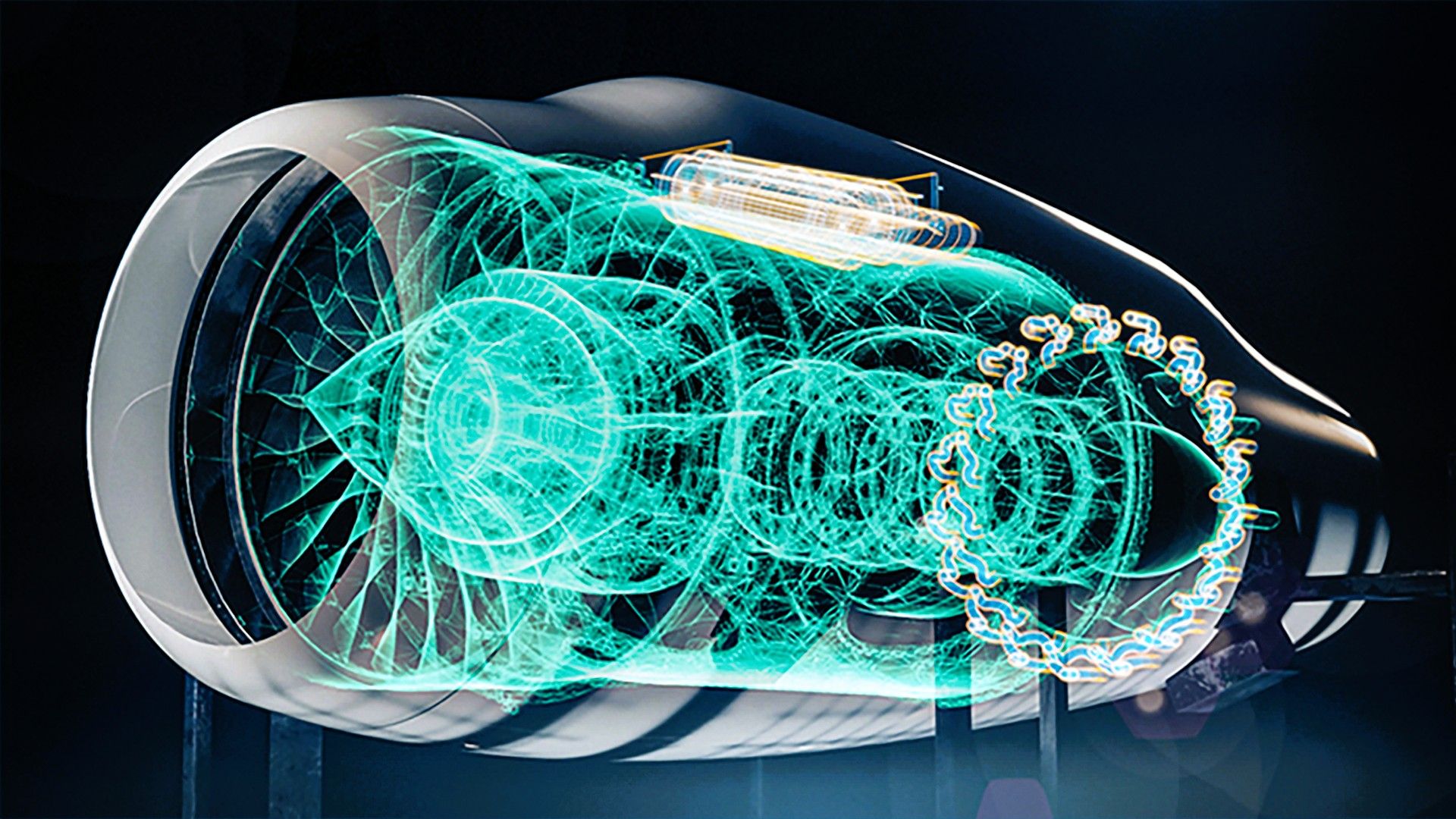
UPDATE: Rolls-Royce has just announced a groundbreaking milestone in aviation with the successful testing of a hydrogen-powered gas turbine engine, marking a potential turning point in the industry’s quest for zero-carbon emissions. On November 28, 2022, at the Boscombe Down facility in the UK, the team completed the world’s first run of a modern aero engine using 100% green hydrogen, a significant step toward redefining jet power.
The aviation sector faces immense pressure to decarbonize by 2050. While Sustainable Aviation Fuel (SAF) has been the immediate focus, its long-term effectiveness remains uncertain. Hydrogen, however, offers a promising alternative with the potential for true zero-carbon emissions. Produced from renewable energy sources, hydrogen burns clean, releasing only water vapor and significantly reducing harmful nitrogen oxides.
This pioneering project, a collaboration between Rolls-Royce, easyJet, and various research institutions, aims to explore hydrogen’s viability as a jet fuel. The initial tests indicate not just a theoretical possibility but a tangible path forward, creating a new wave of optimism within the aviation community.
The November test was a proof of concept, showing that a modern turboprop engine could combust hydrogen without encountering major issues. Engineers have modified the fuel system to handle hydrogen’s unique properties, paving the way for further advancements.
Following this initial success, the team is now focused on overcoming the thermal challenges posed by hydrogen combustion, which burns hotter and faster than traditional jet fuels. Collaborating with the German aerospace research agency DLR and Loughborough University, Rolls-Royce has made significant strides in redesigning the fuel spray nozzles of the Rolls-Royce Pearl 700 engine, ensuring safe and efficient combustion at maximum takeoff thrust.
Grazia Vittadini, former Chief Technology Officer at Airbus and current CTO at Rolls-Royce, stated,
“This is an incredible achievement in a short space of time. Controlling the combustion process is one of the key technology challenges the industry faces in making hydrogen a real aviation fuel of the future. We have achieved that, and it makes us eager to keep moving forward.”
Despite these advancements, significant infrastructure challenges remain. A comprehensive production and distribution ecosystem for hydrogen must be established globally, requiring billions in investment. Currently, the production of “green” hydrogen is limited and expensive, with most hydrogen derived from fossil fuels, which undermines its carbon-neutral benefits.
Rolls-Royce is advocating for government support and cross-industry collaboration to help scale up hydrogen production and reduce costs. The transition to hydrogen also necessitates major redesigns in aircraft to accommodate larger, cryogenic fuel tanks essential for storing hydrogen at -253°C (-423°F).
While the current focus is on small to mid-sized aircraft, with commercial availability projected for the mid-2030s, Rolls-Royce’s innovations signify a crucial step towards a sustainable aviation future. The success of hydrogen combustion in modern engines could catalyze a broader shift in aviation, leading to a phased evolution of jet power.
As this story develops, the aviation industry and environmental advocates will be watching closely. The potential for zero-emission flights hinges on overcoming infrastructure and design challenges, but with this latest breakthrough, the dream of sustainable air travel is inching closer to reality.
Stay tuned for more updates on this transformative journey in aviation technology.