UPDATE: A new push for reconciliation is underway as advocates call for the United States to honor the promise made by General George Washington to the Mahhekennuk Tribe in his letter dated July 8, 1783. This urgent discussion comes as the nation grapples with its historical treatment of Indigenous peoples and the lasting impact of these actions.
In Washington’s letter, he recognized the Mahhekennuk Tribe as “friends & brothers,” urging that they not be molested during their relocation from near Stockbridge to the Oneida Country. Despite this, the United States has fallen short in fulfilling Washington’s vision, leading to a troubling legacy for Native American communities.
The plight of the Mahhekennuk Tribe mirrors the broader struggles faced by Indigenous groups throughout U.S. history. After the Revolutionary War, the tribe experienced multiple forced relocations, ultimately settling in northern Wisconsin during the 1850s. Compounding these challenges, it took a staggering 72 years for Congress to grant Native American veterans access to pensions—a delay that starkly illustrates the neglect faced by Indigenous peoples.
The devastating impact of federal policies also led to the forced removal of Indigenous children to white-run boarding schools in the 19th and 20th centuries. These actions had catastrophic effects on native languages and cultural survival. Parents often refrained from teaching their children their native languages out of fear of bullying in these institutions. As a result, today, fewer than 15 living tribal members of the Stockbridge-Munsee Band can speak the Mohican language fluently.
This urgent call to action is part of a broader recognition of historical trauma that has persisted for over two centuries. Advocates emphasize the importance of listening to the stories of the Mohican community to gain perspective on these intergenerational wounds.
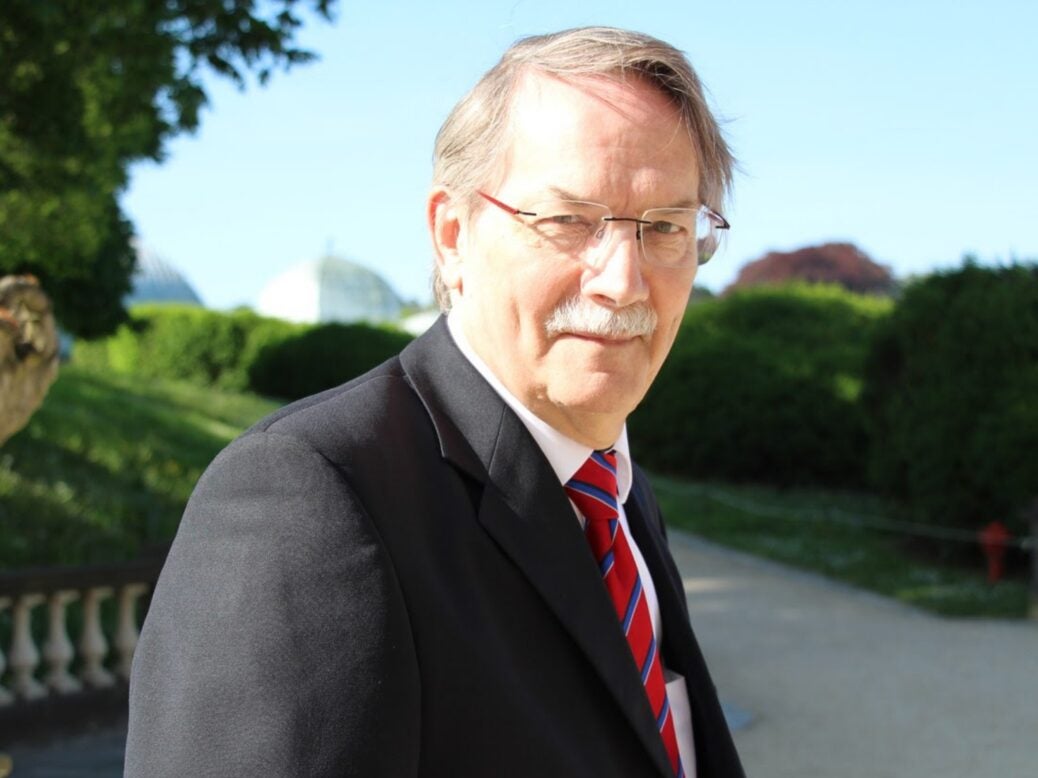
Former local leader Patrick White has taken steps to address these issues through the establishment of the Stockbridge Mohican Commission. Recently, he proposed grants that will support a new Revolutionary Monument on the Stockbridge Town Green and the celebration of the 250th anniversary of the nation.
White emphasizes that understanding all facets of history, including the inconvenient truths, is vital for true reconciliation. “Despite the heroic actions of these 18th-century patriots, this country did disastrous and lasting damage to their descendants,” he states. “We must recognize that true reconciliation will only begin when we listen, understand, and empathize.”
As the nation reflects on its past, advocates urge immediate action to honor Washington’s commitment and begin the healing process for Indigenous communities. The call for reconciliation is not just a historical obligation; it is a necessary step toward achieving a “more perfect union,” as stated in the Declaration of Independence.
This moment is critical. The actions taken today will impact future generations. Let us engage in meaningful dialogue and take steps toward healing and understanding—because, as history shows, it is never too late to make amends.