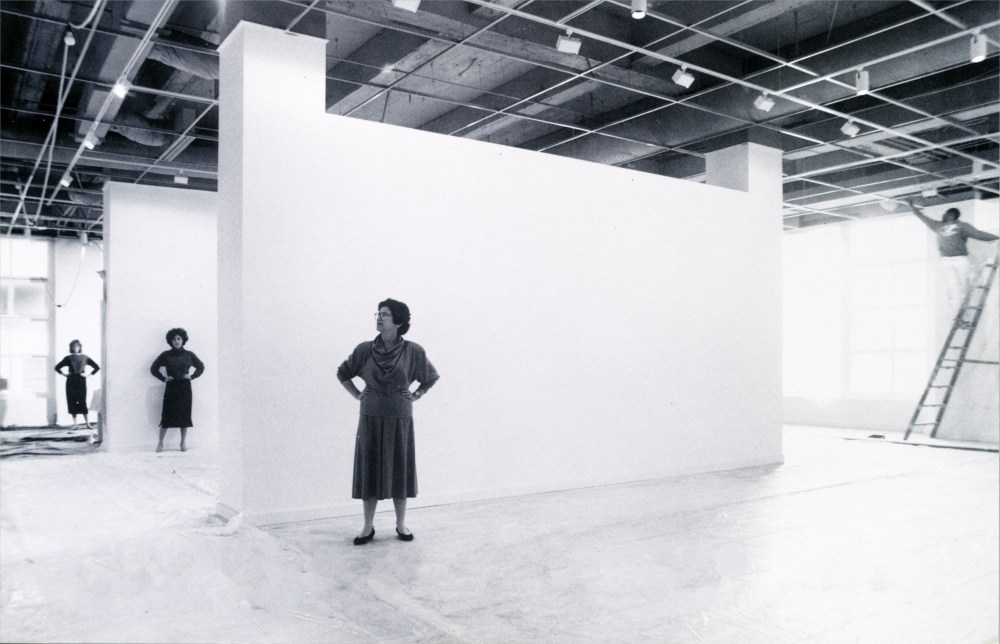
URGENT UPDATE: The renowned Rena Bransten Gallery in San Francisco will close its doors on November 22, 2023, marking the end of an era after 50 years of celebrating BIPOC and female artists. The gallery’s current exhibition featuring Oliver Lee Jackson will coincide with the closure, prompting immediate discussions about the future of the art landscape in the city.
Gallery owners Rena and Trish Bransten announced the decision in a press release, citing the challenging economics of maintaining a brick-and-mortar space. “The economics of running a brick-and-mortar gallery—once supported by a steady flow of sales, institutional partnerships, and walk-in engagement—has shifted,” they stated. “As John Waters observed when told we were closing our space, ‘It is the end of an era.’”
Throughout its history, the Rena Bransten Gallery has represented both emerging and established artists, including significant figures like Viola Frey and Dawoud Bey. Jackson, who has been with the gallery since 1982, emphasized the gallery’s role in supporting artists: “It is not about [Rena and Trish Bransten], it’s about the artists. They work hard and compete, use their contacts and institutional reach.”
Founded at 75 Geary Street, just two blocks from the San Francisco Museum of Modern Art, the gallery has been a pivotal space for art lovers. After facing a steep rent increase in 2015, the gallery relocated to a smaller storefront and eventually to the Minnesota Street Project in the city’s Dogpatch neighborhood.
The closure reflects a broader trend in the art world, with many galleries shuttering due to changing tastes, steep tariffs, and global financial instability. Recent closures include notable names such as Clearing and Blum in Los Angeles, as well as Venus over Manhattan and the Tilton Gallery in New York.
As the San Francisco art community grapples with this loss, the Bransten Gallery’s commitment to accessibility and diversity will be deeply missed. “We have been a welcoming place for all: Visitors could walk in without cost, encounter serious art, and speak with people deeply committed to the work,” the owners shared.
In light of this urgent development, the gallery plans to shift its focus to remote programming and collaborative exhibitions across various venues, illustrating a significant pivot in how art will be presented in the future.
As the final exhibition approaches, the art community is urged to engage and celebrate the legacy of the Rena Bransten Gallery, reflecting on its impact and the artists it has championed over the decades. Stay tuned for updates as this story develops.