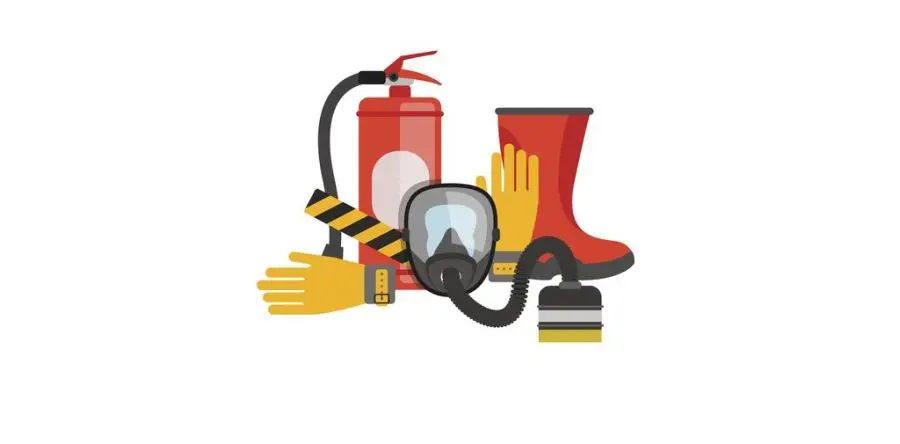
UPDATE: New guidelines for fire protection equipment have just been released by the Fire Safety Foundation, emphasizing urgent measures for building safety that could save lives and property. As incidents of fire-related emergencies continue to rise, understanding and implementing the latest fire safety equipment is critical for facility managers.
Fire safety is no longer just a regulatory obligation; it has become an essential investment in safeguarding lives and ensuring business continuity. The guidelines highlight that the right fire protection equipment can mean the difference between a minor incident and a catastrophic loss, making it imperative to act immediately.
Modern fire safety systems have evolved significantly, integrating advanced technology and intelligent monitoring. These systems provide comprehensive protection across multiple levels, including early detection, suppression, and reliability. Key components of an effective fire protection strategy include:
Fire Sprinkler Systems: Recognized as the gold standard for automatic fire suppression, these systems can control or extinguish fires in their early stages, often before emergency services arrive. Recent data shows that modern sprinkler systems are highly reliable, activating only when exposed to sufficient heat.
Fire Extinguishers: Essential for combating small fires, these devices must be chosen carefully. Class A extinguishers handle ordinary combustibles, while Class B targets flammable liquids, Class C is for electrical fires, and Class K is specifically for kitchen fires. Misusing the wrong type can lead to dangerous situations.
Fire Alarm and Detection Systems: Serving as the frontline alert network, these systems combine smoke detectors, heat sensors, and manual pull stations into a centralized monitoring unit. Advanced systems can even pinpoint fire locations and automatically notify emergency services.
Fire Pumps: Critical in buildings with insufficient municipal water pressure, these pumps ensure adequate flow and pressure for sprinkler systems, particularly in high-rise buildings.
Control Valves and Backflow Prevention Devices: These components are vital for maintaining system integrity, regulating water flow, and ensuring compliance with safety codes.
MAINTENANCE ALERT: The guidelines stress that maintenance is often overlooked yet crucial. Regular inspections and servicing are essential to ensure that fire protection systems function when needed most. Annual checks should verify that fire extinguishers are charged, alarm systems are operational, and all components meet current safety codes.
Facility managers are urged to work with licensed contractors who can maintain detailed service records and provide timely reminders for required inspections. The investment in quality equipment from reputable manufacturers, coupled with diligent maintenance, can provide decades of reliable protection.
Choosing the right fire protection equipment requires careful consideration of several factors: building occupancy type, local fire codes, budget constraints, and specific hazards present in the facility. While cost considerations are important, cutting corners on fire safety is a risk that no responsible facility manager should take.
By following the newly issued guidelines and investing in proper fire protection equipment, facility managers can create safer environments for everyone who enters their buildings while also protecting valuable assets from devastating losses.
This urgent update is a call to action for all facility managers and stakeholders: prioritize fire safety today to prevent potential tragedies tomorrow. For further details, visit the Fire Safety Foundation’s official website.