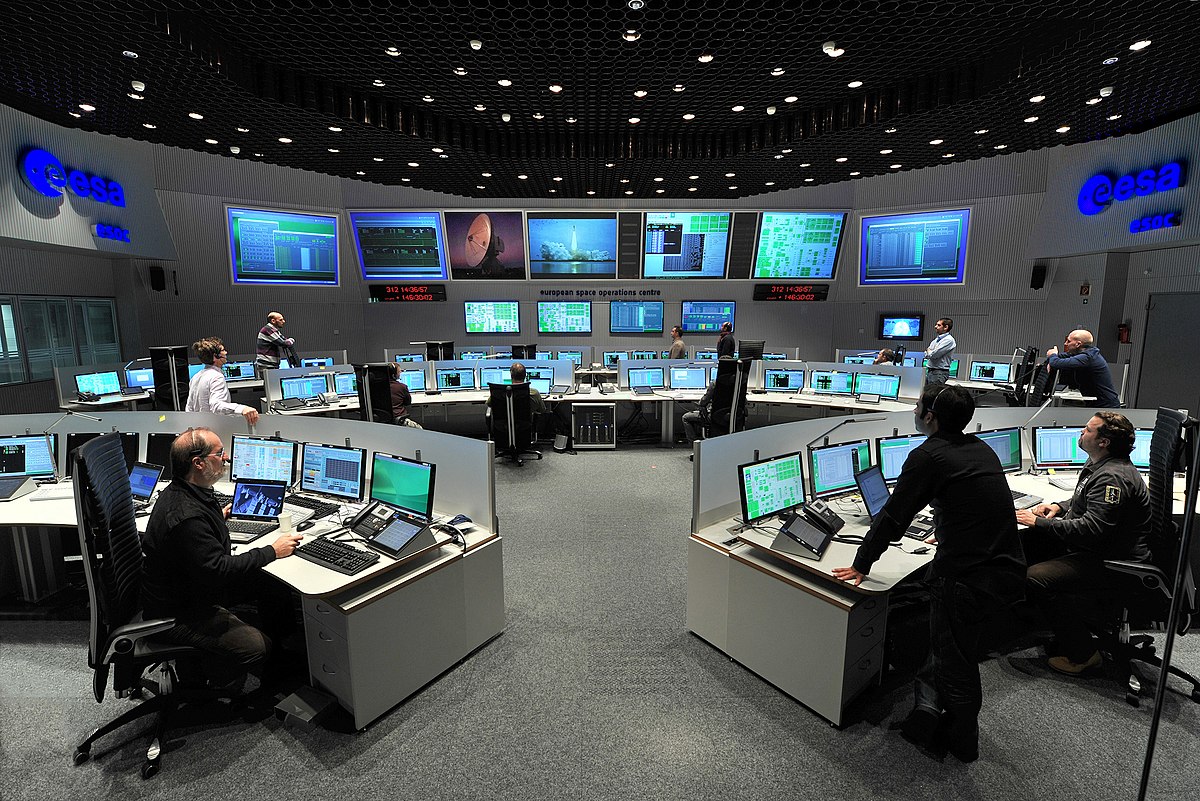
The European Space Agency (ESA) has confirmed that a series of cyberattacks has resulted in the leak of sensitive data, including staff email credentials, on dark web forums. The breaches began in mid-December 2025 and have raised significant concerns within the international space community regarding the agency’s cybersecurity measures.
The attacks targeted external servers used for collaborative engineering activities, leading to the exposure of hundreds of gigabytes of data. Cybercriminals claim to be selling this information on underground marketplaces, prompting questions about the effectiveness of ESA’s defenses in the face of escalating digital threats. According to cybersecurity reports and ESA statements, unknown attackers infiltrated these external servers and operated undetected for approximately one week.
Details of the Breach and Response
The compromised servers, while separate from ESA’s core internal network, contained critical information that includes source code, access tokens, and configuration files. A threat actor known by the alias ‘888’ publicly claimed on BreachForums to have exfiltrated around 200 gigabytes of data, with parts offered for sale in exchange for the cryptocurrency Monero. While ESA has yet to independently verify the full extent of the leaked information, they confirmed that the affected servers were used for unclassified scientific collaborations.
Cybersecurity researcher Clémence Poirier from the Centre for Security Studies at ETH Zurich highlighted the serious implications of such leaks. The circulation of email credentials linked to ESA employees on dark web platforms raises concerns about credential reuse and the potential for follow-on attacks, especially if the compromised information is combined with other breaches.
ESA has acknowledged recent cybersecurity issues involving servers outside its corporate network. The agency has initiated a forensic security analysis and implemented measures to secure any potentially affected devices. In a statement shared on the social media platform X, ESA indicated that it began a comprehensive security assessment after unusual activity was detected in December.
Ongoing Investigation and Implications
While ESA maintains that its core mission systems were not directly affected and no classified operations were exposed, the leak of internal credentials and software configurations has sparked a debate about the classification of so-called ‘unclassified’ data. Officials have stressed the importance of cooperation with law enforcement and cybersecurity partners as the investigation unfolds.
The situation underlines the growing reality of cyber threats faced by critical scientific organizations. Experts warn that the space sector is increasingly becoming a target for cybercriminals, necessitating an adaptation of security practices across agencies. Malware designed to harvest credentials, such as infostealers, remains a prevalent threat, with attackers employing various techniques to capture sensitive information.
Despite ESA’s investments in cyber resilience in recent years, the recent breaches highlight the challenges of defending complex, interconnected systems. The presence of third-party tools and external servers can create vulnerabilities in an organization’s digital infrastructure.
As investigations continue and ESA works to reassure the public and its partners, this incident serves as a stark reminder that cyber threats are an ongoing reality for organizations engaged in critical scientific work. The implications of these breaches extend beyond immediate damage, emphasizing the need for robust cybersecurity strategies in an increasingly digital world.