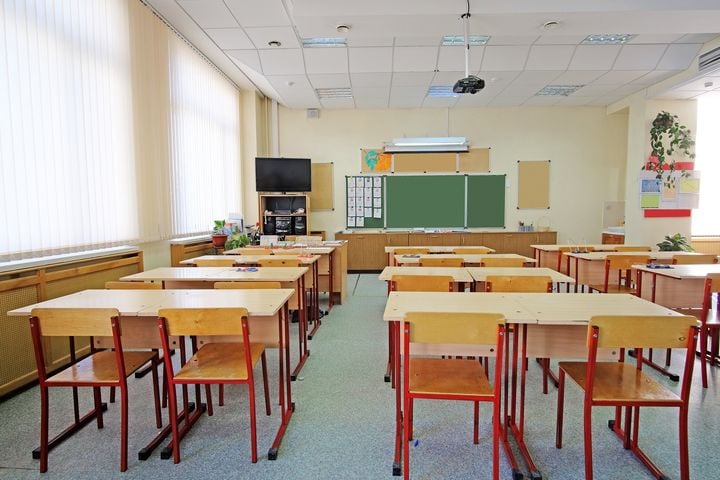
The number of schools in Northern Ireland has continued to decline, according to recent data from the Department of Education. This trend is accompanied by a significant drop in pupil numbers, particularly in the primary education sector, raising concerns about an impending “empty desks” issue in the coming years.
Official statistics reveal that 20 schools have closed in the last five years, reflecting a broader trend of decreasing student enrollment. The decline in pupil numbers is most evident in primary schools, where the number of students has dropped markedly. This situation not only affects the viability of existing schools but also poses challenges for educational planning and resource allocation in the region.
As schools continue to close, educational authorities are increasingly focused on the implications of this trend. The declining birth rate in Northern Ireland, combined with changing population dynamics, is contributing to the reduction in student enrollment. According to the Department of Education, the number of pupils in primary schools is projected to decrease further, potentially leading to a scenario where many classrooms remain underutilized.
Impact on Communities and Education Quality
The reduction in school numbers has far-reaching consequences for local communities. Schools often serve as community hubs, providing essential services and support to families. With fewer schools available, access to education may become more limited, particularly in rural areas. This could result in longer travel times for students and increased pressure on remaining institutions.
Educational experts warn that the decline in pupil numbers may also impact the quality of education. As schools face reduced funding due to lower enrollment figures, there may be fewer resources available for teaching and extracurricular activities. Furthermore, with smaller class sizes, teachers may experience increased workloads as they strive to maintain educational standards.
Future Considerations for Educational Policy
Policymakers are now tasked with addressing the challenges posed by the decreasing number of schools and pupils. Strategies may include consolidating resources, investing in innovative educational programs, and enhancing community engagement to attract families back to the region.
The Department of Education has indicated that it will continue to monitor enrollment trends closely and engage with stakeholders to explore potential solutions. The goal is to ensure that every child in Northern Ireland has access to quality education, regardless of the shifting landscape of school availability.
In conclusion, the ongoing decline in the number of schools and pupils in Northern Ireland highlights significant challenges ahead. As educational authorities navigate this evolving situation, the focus must remain on providing quality education and fostering community involvement to ensure a sustainable future for all students.