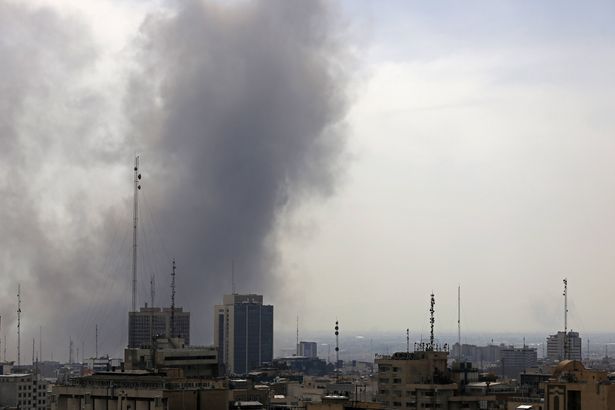
The humanitarian situation in Gaza remains dire months after a ceasefire was declared on October 10, 2023. While the cessation of hostilities has halted the bombardment, many residents continue to suffer from severe medical and humanitarian crises. Individuals like Najat Sayed al-Hessi, a 61-year-old cancer patient, highlight the ongoing struggles as critical medical supplies remain inaccessible.
Al-Hessi has been waiting for her monthly cancer medications for over 27 months. Speaking to Middle East Eye, she expressed her frustration: “Nothing has changed for cancer patients in Gaza since the ceasefire. I fear the disease is advancing in my body with each passing day.” Her situation is emblematic of the broader crisis affecting nearly two million people in the region. Ongoing Israeli restrictions have severely limited access to medical care, leaving hospitals unable to provide even basic treatments for those in need.
Hospitals in Gaza have reported significant shortages of essential medications. As of November, the Palestinian health ministry indicated that approximately 56 percent of essential drugs, 68 percent of medical consumables, and 67 percent of laboratory supplies were unavailable. Dr. Muhammad Abunada, medical director of the Gaza Cancer Centre, stated that there is a 70 percent shortage in cancer medications and painkillers, exacerbating the already critical situation.
Patients like al-Hessi are not alone; there are around 11,000 cancer patients in Gaza, many of whom have been denied medical referrals to facilities outside the territory. This lack of access has led to a significant increase in mortality rates among cancer patients, with the number of deaths doubling or tripling since the start of the conflict. Dr. Abunada noted that before the war, one cancer patient would die per day; now, that number has risen to two or three daily.
The impact of the conflict extends beyond cancer patients. The United Nations Children’s Fund (UNICEF) has reported alarming increases in newborn mortality rates, with an average of 47 newborn deaths recorded monthly between July and September 2023, nearly double the monthly average of 27 in 2022. These figures illustrate the ongoing toll that the humanitarian crisis exacts on the most vulnerable populations.
Despite the ceasefire, violence persists in Gaza. Since its implementation, at least 449 Palestinians have been killed, and over 1,264 others have been wounded. Residents live in constant fear, as reported by Abu Rafiq Ubeid, a father of three, who stated, “We are still living under the same threats and circumstances, only with less noise.”
The situation is further complicated by the imposition of a newly enforced “Yellow Line” that restricts access to significant portions of Gaza. This line has expanded westward, now covering about 60 percent of the enclave’s land. Many families, like Ubeid’s, have been forced to relocate multiple times due to ongoing threats of displacement.
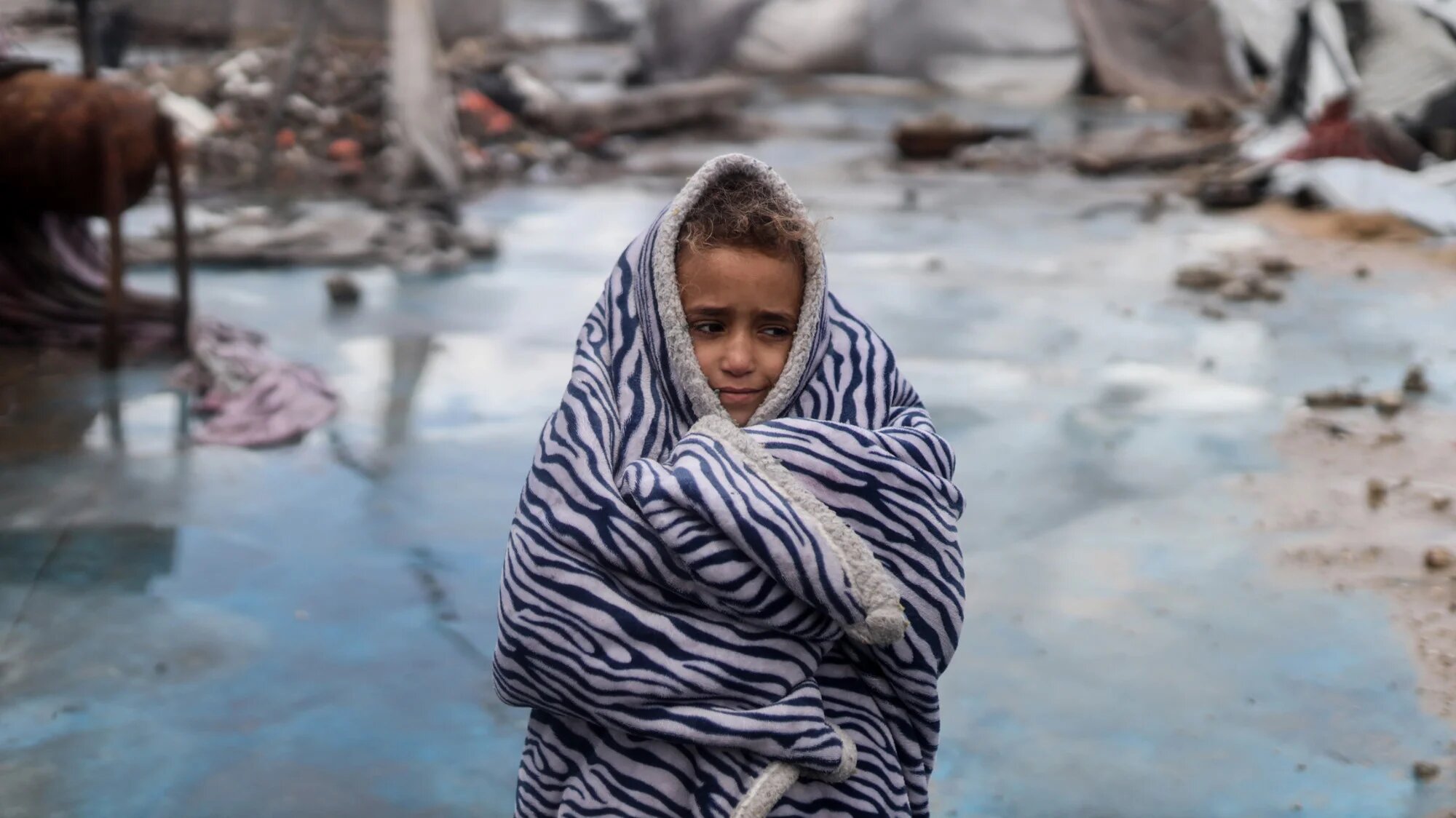
As winter approaches, conditions for displaced families are becoming increasingly dire. Many have been living in tents for over two years, with limited access to adequate shelter. Rajaa Jendiya, a widow and mother of three, described how the harsh winter exacerbates their suffering: “Our tents are torn after two years of continuous displacement, and our health has deteriorated due to the suffering and prolonged starvation.”
The blockade on Gaza continues to restrict not only humanitarian aid but also essential goods needed for recovery. According to local leaders, the Israeli military has systematically targeted Gaza’s agricultural and fishing sectors, crippling the region’s self-sufficiency. This has left the population largely dependent on external aid, which is now more difficult to obtain due to stringent restrictions on international organizations operating in the area.
The ongoing humanitarian crisis in Gaza raises critical concerns about the future of its residents. Many fear that international efforts to address the situation may not be sufficient to alleviate the suffering endured by the population. Without immediate intervention and access to essential services, the plight of individuals like Najat Sayed al-Hessi will continue to deteriorate, and the broader community will remain trapped in a cycle of despair.