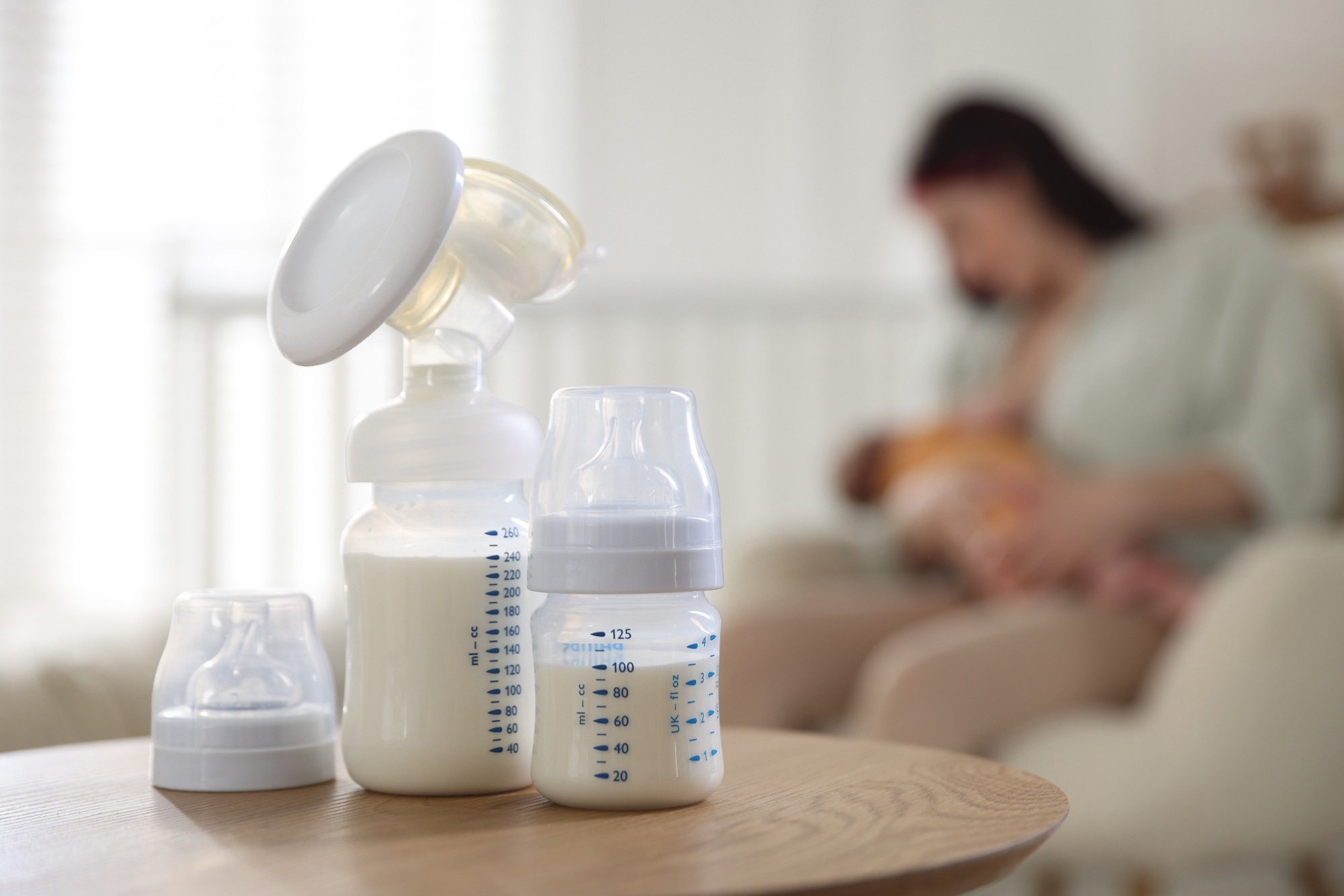
A recent study published in Nature Communications has unveiled significant insights into the relationship between maternal breast milk and the development of the infant gut microbiome. Researchers identified specific bacterial strains and resistance genes in breast milk that contribute to the maturation of gut health in infants, challenging traditional views on microbial transmission from mother to child.
Understanding the gut microbiome’s role in infant health is crucial. The gut microbiome is vital for immune system development, nutrient absorption, and metabolic regulation. Maternal microorganisms are transferred to infants during and after birth, playing a key role in colonizing and maturing the infant’s gut microbiome. Human breast milk is rich in nutrients, immune cells, antibodies, and live bacteria, all of which influence the composition and function of the developing microbiome. Evidence suggests that breastfeeding, particularly exclusive breastfeeding, offers protective effects against chronic conditions like asthma, obesity, diabetes, and allergies.
The study involved participants from the Mother and Infants Linked for Health (MILk) cohort in Minneapolis, United States. Healthy mothers aged between 21 and 45, who delivered full-term singletons and planned to exclusively breastfeed, were enrolled from 2014 to 2023. Breast milk samples were collected at one and three months postpartum, while infant stool samples were gathered at one and six months.
Researchers collected and sequenced a total of 507 microbiome samples from 195 mother-infant pairs. Most infants were delivered vaginally, and approximately two-thirds remained antibiotic-naive through the first six months. The study found that maternal milk had significantly lower species richness compared to infant stool samples. Over time, microbial diversity increased modestly in both, with the milk microbiome dominated by Bifidobacterium longum, along with other beneficial bacteria.
At one month, the infant gut microbiome was similarly dominated by B. longum and other species such as Bifidobacterium breve and Escherichia coli. Although milk and infant stool samples exhibited distinct microbiome compositions, both were primarily dominated by B. longum, which was noted as the most stable microorganism over time. The relative abundance of bifidobacteria in the infant gut increased from one to six months, especially among exclusively breastfed infants.
Despite some mother-infant pairs displaying similar bifidobacterial abundances, no significant associations were found at the population level. Notably, strain sharing between milk and stool was more frequent at one month than at six months. The analysis also revealed the presence of potential pathobionts, such as Klebsiella pneumoniae, indicating that both beneficial and opportunistic bacteria may be transmitted between maternal milk and the infant gut.
Metagenomic profiling indicated that the infant gut microbiome initially contained numerous biosynthetic pathways for essential amino acid synthesis, which declined by six months, particularly in infants not heavily populated with bifidobacteria. In contrast, breast milk maintained a high abundance of these pathways, showing an increase at three months postpartum.
The study also noted that both the gut and breast milk microbiomes harbored antimicrobial resistance genes (ARGs). Maternal milk displayed lower ARG diversity compared to infant stool, with resistance to macrolide, lincosamide, and streptogramin being the most prevalent. The diversity of ARGs in both environments increased over time, particularly in milk.
Researchers found no significant correlation between ARGs in milk and those in infant stool overall. However, continuity in the infant gut resistome was observed from one to six months, suggesting that specific resistance patterns may persist over time.
The findings from this study underscore the critical role of maternal breast milk in establishing and developing the infant gut microbiome and resistome during the early months of life. While the research identifies overlap in species, strains, and antimicrobial resistance genes between milk and infant stool, the observational nature of the study, combined with low microbial biomass in milk samples, limits definitive conclusions about the direction of microbial transmission.
These insights pave the way for further investigation into the maternal milk microbiome’s impact on infant health, emphasizing the interconnectedness of maternal and infant microbiomes. Future research may unlock more details about this complex relationship, ultimately enhancing our understanding of early life microbial development.
For more information, refer to the original study: Ferretti, P. et al. (2025) Assembly of the infant gut microbiome and resistome are linked to bacterial strains in mother’s milk. Nature Communications 16 (1); 11536. DOI: 10.1038/s41467-025-66497-y.