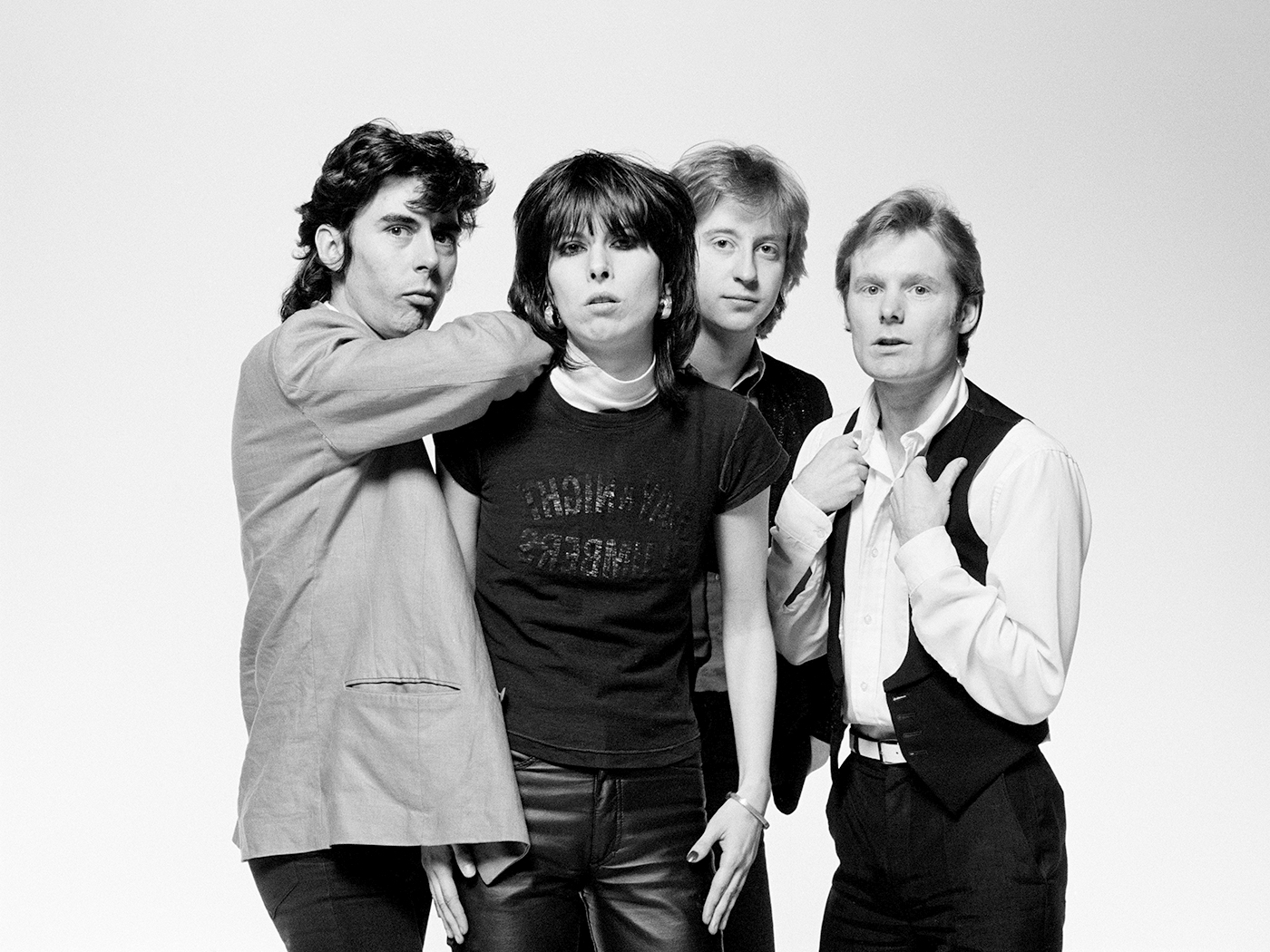
Chrissie Hynde, the lead vocalist of the Pretenders, has shared her insights about the band’s iconic debut album, which she describes as a blend of pop sensibility and a “hardcore” attitude. In a recent interview, she reflected on the early days of the band and the creative process that led to the album’s success.
Hynde revealed that after spending five years in England, she initially thought she was too old to pursue a music career. However, meeting band members James Honeyman-Scott (guitar), Pete Farndon (bass), and Martin Chambers (drums) changed everything. She characterized them as “rural thugs from Hereford,” drawing a comparison to characters from the film *Straw Dogs*. This unique dynamic contributed to the Pretenders’ image as a pop band with a raw edge, balancing melodic tunes with a rebellious spirit.
Reflecting on the creation of their debut album, Hynde noted that the process was surprisingly smooth. “It was dead easy, in fact,” she stated, although she acknowledged that challenges arose later due to substance abuse issues among band members. As the band’s popularity grew, so did the pressures and personal struggles, particularly with addiction.
Hynde wrote much of the album in her room in Tufnell Park, while living in a girls’ boarding house where male visitors were not permitted. Despite the cold environment, it was here that songs like “Up The Neck” and “Tattooed Love Boys” took shape. Other tracks, such as “The Phone Call,” were inspired by her experiences with a rough crowd. The song alludes to threats and violence, reflecting the darker aspects of her surroundings at the time.
The instrumental track “Space Invader” emerged from the band’s fascination with arcade games, despite Hynde’s preference for pinball. “They were obsessed and had them all over the studio,” she recalled, humorously referring to her own boycott of the game.
When it came to the hit single “Brass In Pocket,” Hynde had reservations. She admitted to feeling embarrassed by the song, which ultimately reached number one. “I felt that people in my scene were laughing at me,” she said, emphasizing that the songs she felt truly represented her, like “Precious,” often went unheard on the radio due to their raw language.
Hynde believes that her Midwestern background, particularly her upbringing in Ohio, influenced the band’s unique sound. She expressed disappointment that some of her more authentic expressions, like the bluntness of “Precious,” were not widely recognized in mainstream music. “Someone told me it’s the best use of ‘fuck off!’ in rock’n’roll,” she noted, illustrating the tension between her artistic voice and public reception.
When the debut album was released, it quickly ascended to the top of the charts. While some critics claimed it was “hyped” into its number one position, Hynde expressed gratitude for any support that contributed to its success. “I didn’t care if it was No 1 or not,” she remarked. Her primary motivation was the joy of making music rather than achieving commercial success.
Hynde’s candid reflections reveal not only the creative journey of the Pretenders but also the personal challenges faced along the way. Her story illustrates the complexities of balancing artistic integrity with the pressures of fame, providing a deeper understanding of the iconic band’s legacy.