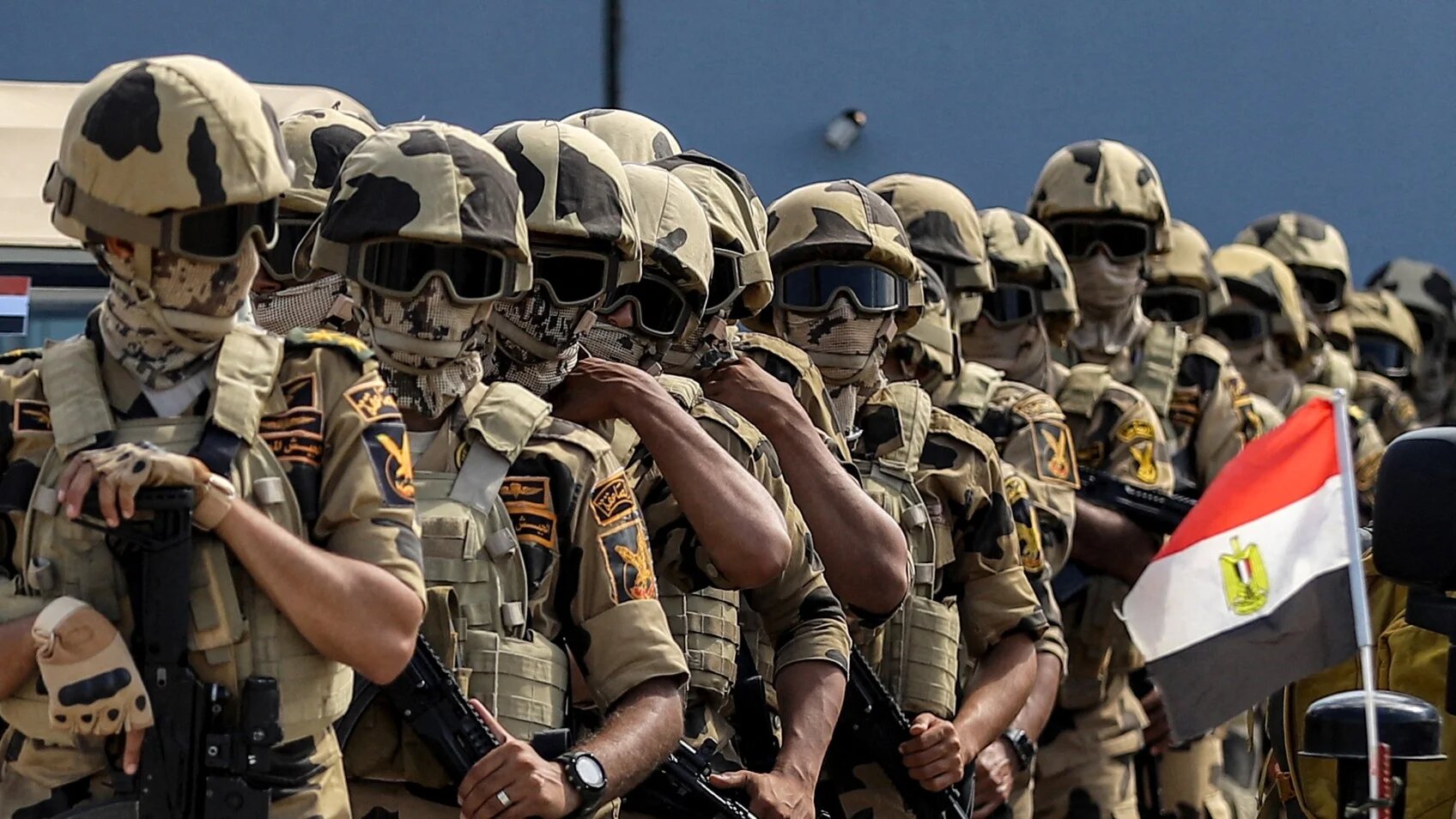
UPDATE: The Egyptian Army is reportedly sitting on billions in hidden cash reserves while the country faces a severe debt crisis, according to senior government and banking officials. As the government missed a crucial repayment deadline of $750 million to the International Monetary Fund (IMF), urgent questions arise about the military’s role in the nation’s economy.
The alarming revelation comes as Egypt struggles to meet its debt obligations amid dwindling foreign currency reserves. Officials disclosed to Middle East Eye that the military’s financial reserves exceed Egypt’s total foreign debt, raising concerns about the military’s opaque influence over the economy at a time of critical fiscal stress.
Egypt was expected to pay the $750 million installment to the IMF by the end of December 2023 but failed to meet this deadline. As a contingency, it was agreed “in principle” that this installment would be deducted from Egypt’s next tranche from the IMF, with interest added, although specific terms remain undisclosed.
A senior banking official revealed that the government sought to borrow 3 trillion Egyptian pounds (approximately $63.7 billion) by December but faced refusal from local banks due to limited liquidity. With no borrowing options left, the government approached the armed forces for assistance. However, the military’s Financial and Administrative Authority rejected the request, even after Prime Minister Mostafa Madbouly urged Defense Minister Abdel-Megeed Saqr to intervene.
Despite the military’s significant financial resources, reports indicate that the funds remain inaccessible to civilian leaders. A banking official noted that the military’s assets are “real and physically held” within Egypt’s two major state banks, the National Bank of Egypt and Banque Misr, but are entirely out of reach for civilian authorities.
The situation is further complicated by Egypt’s broader external debt obligations, which are expected to exceed $60 billion in 2025. The military’s financial independence raises troubling questions about accountability and the opaque nature of its operations, which are shrouded in secrecy.
The financial crisis has been exacerbated by a severe dollar shortage in 2022, during which the military intervened by injecting $10 billion to stabilize the economy, a move that was only vaguely referenced by the Prime Minister at the time. The military has repeatedly refused proposals for it to contribute to debt repayments, maintaining a firm grip on economic resources while the government grapples with rising inflation and currency shortages.
In November 2023, local banks provided 1.5 trillion Egyptian pounds to the government to cover over $350 million in loan installments, further limiting their capacity for additional lending. Despite promises from the government to reduce debts, no significant announcements have been made to alleviate the situation.
The military’s extensive control over the economy has roots dating back to the mid-20th century and has expanded significantly under President Abdel Fattah el-Sisi. This influence has led to military-dominated firms benefiting from tax exemptions and exclusive access to lucrative contracts.
With the IMF warning that Egypt’s military involvement in the economy is stunting private sector growth, the international lender has called for urgent structural reforms. The IMF recently announced a staff-level agreement with Egypt for new financing, contingent upon meeting critical program targets under an $8 billion loan agreement.
As Egypt’s government continues to navigate this financial crisis, the looming question remains: will the military step in to help, or will the nation’s economic stability continue to be jeopardized by its opaque operations?
Officials and citizens alike are watching closely as the situation develops, with the potential for further economic ramifications looming in the background.