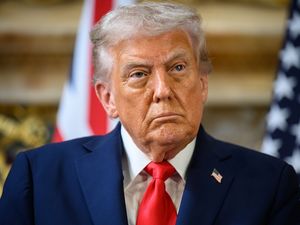
The BBC plans to file a motion to dismiss former President Donald Trump’s substantial defamation lawsuit, which seeks up to $10 billion (£7.5 billion) in damages. The legal action stems from an episode of the BBC’s investigative series, Panorama, that aired in 2024. The episode faced criticism for allegedly misrepresenting Trump’s remarks during the January 6, 2021, Capitol riots, suggesting he encouraged his supporters to storm the building.
In the controversial episode, a segment of Trump’s speech was edited to show him declaring: “We’re going to walk down to the Capitol… and I’ll be there with you. And we fight. We fight like hell.” Trump’s legal team asserts that this editing is “false and defamatory,” warranting the hefty damages sought.
Legal Grounds for Dismissal
Court documents reveal that the BBC’s motion will challenge the lawsuit on several grounds. The broadcaster argues that the Florida court lacks “personal jurisdiction” over them and that the venue is “improper.” Furthermore, the corporation contends that Trump has “failed to state a claim” upon which relief can be granted.
The BBC maintains that it did not create, produce, or broadcast the documentary in Florida. Trump’s assertion that the documentary was available in the United States through the streaming service BritBox is labeled as untrue by the BBC. Additionally, the broadcaster will claim that Trump has not “plausibly alleged” that the BBC published the documentary with “actual malice,” a legal standard that public officials must meet to succeed in defamation cases in the United States.
Next Steps and Potential Trial
In a strategic move, the BBC has requested the court to “stay all other discovery”—the pre-trial process where parties gather information—until a decision is reached on the motion to dismiss. Should the case proceed, a trial date has been proposed for 2027.
The BBC has been approached for comment regarding its plans for the upcoming legal battle. As the situation develops, the implications of this case could resonate beyond the courtroom, highlighting the complex intersection of media, politics, and free speech.