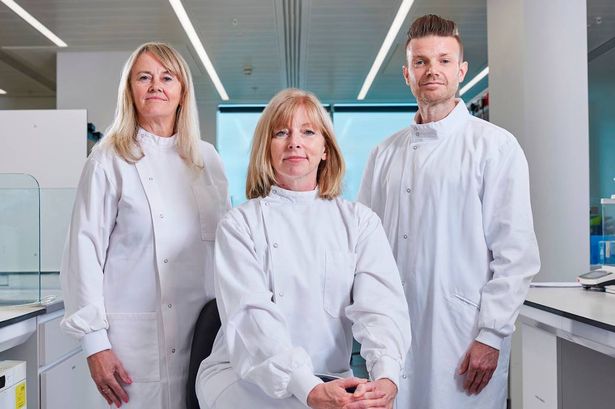
Cases of shingles are on the rise, with Superdrug Online Doctor reporting a staggering 50% increase in consultations as colder weather sets in. Many individuals are seeking medical advice for sudden, painful rashes and nerve pain, a trend that highlights the growing urgency for awareness and treatment.
Understanding Shingles and Its Triggers
Shingles, also known as herpes zoster, occurs when the chickenpox virus reactivates in individuals who have previously had chickenpox. While anyone who has had chickenpox can develop shingles, it is most prevalent among older adults and those with weakened immune systems. The onset of winter often introduces additional triggers for shingles, such as heightened stress levels, disrupted sleep patterns, and an increase in other infections, all of which can place additional strain on the immune system.
Dr. Babak Ashrafi, a member of Superdrug’s Online Doctor team, remarked on the condition’s sudden impact: “Shingles can come as a shock; many people wake up with a burning or tingling pain, followed by a rash that quickly worsens. We tend to see more people seeking help in the colder months, when immune systems are under extra strain. The key message is, don’t wait it out. The sooner you start treatment, the better the outcome.”
Signs and Symptoms of Shingles
The initial symptoms of shingles typically include a tingling, burning, or stabbing pain on one side of the body, which is soon followed by a red rash that develops into fluid-filled blisters. The rash often appears on the chest or back but can also manifest on the face. While most cases improve within 2 to 4 weeks, shingles can be extremely painful and may lead to complications such as post-herpetic neuralgia, particularly among older adults.
The National Health Service (NHS) advises those experiencing symptoms to consult a pharmacist for treatment. Immediate medical attention is recommended if individuals fall into specific categories, including:
- Pregnant individuals
- Those breastfeeding with a rash on their breasts
- Individuals with a rash on the eye or nose
- Patients experiencing changes in vision
- Individuals with severely weakened immune systems, such as those undergoing chemotherapy
- Anyone aged 17 years or younger
These guidelines underscore the importance of timely intervention to prevent complications and promote recovery.
Vaccination and Contagion Concerns
For those seeking preventative measures, a shingles vaccine is available for adults aged 65 and older, as well as those aged 70 to 79 and individuals aged 18 and over with severely weakened immune systems. Eligible individuals who have not yet been contacted for an appointment are encouraged to reach out to their general practitioners.
It is important to note that shingles is not contagious in the traditional sense. However, the NHS indicates that individuals who have not previously had chickenpox or been vaccinated against it can contract chickenpox if exposed to someone with shingles. Therefore, it is advisable to avoid contact with pregnant individuals, those who have not had chickenpox, individuals with weakened immune systems, and young babies.
Work Recommendations for Shingles Sufferers
The NHS recommends that individuals with shingles refrain from attending work or school if their rash is oozing fluid and cannot be adequately covered. The potential for spreading the infection exists only while the rash is weeping. Following these guidelines can help limit the spread of the virus and protect vulnerable populations.
As shingles cases continue to rise, heightened awareness and prompt medical attention remain crucial. Individuals experiencing symptoms or those who think they may be at risk are encouraged to seek medical advice to ensure a timely and effective response.