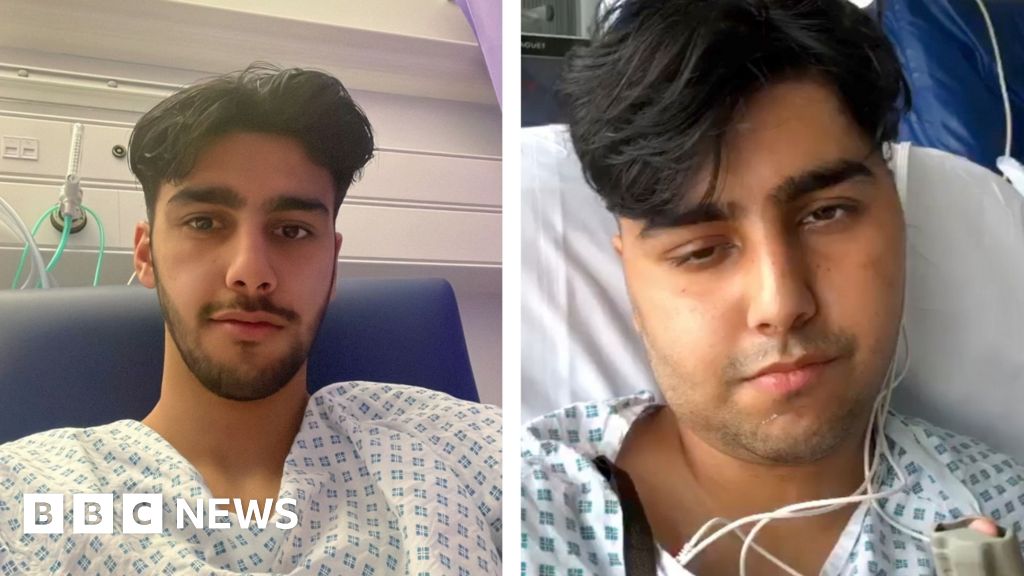
In March 2023, Ekam Dhaliwal, a resident of Canada, underwent surgery to remove a brain tumour, an experience that profoundly changed his life. Following the operation, he faced the daunting challenge of relearning essential skills such as walking and talking. This journey not only tested his physical resilience but also highlighted the emotional and psychological impacts of recovering from such a significant medical event.
Facing the Challenges of Recovery
After the surgery, Ekam found himself confronted with a new reality. The immediate aftermath of the procedure left him struggling to perform simple tasks that many take for granted. “I had to relearn everything,” he explained. “Walking, talking, even eating felt like a monumental task.” The process required intensive rehabilitation, which included physical and speech therapy.
Ekam’s determination played a crucial role in his recovery. He committed to daily exercises and therapy sessions, working closely with healthcare professionals to regain his independence. “I set small goals for myself each day, which kept me motivated,” he shared. The support from family and friends was also instrumental, providing him with the encouragement needed during the most difficult moments.
Support Systems and Rehabilitation Techniques
Throughout his rehabilitation, Ekam engaged in various therapeutic practices tailored to his specific needs. These included targeted physical exercises to strengthen his muscles and improve coordination, as well as speech therapy sessions designed to help him regain his verbal skills. According to the Canadian Brain Tumour Foundation, approximately 60% of patients experience some form of cognitive or physical impairment following brain surgery, making Ekam’s journey not only personal but also a reflection of a broader struggle shared by many.
Ekam’s healthcare team utilized innovative techniques and technologies to assist in his recovery. This included virtual reality simulations to enhance his motor skills and cognitive functions. He noted, “The technology made a huge difference. It was engaging and kept me focused on my progress.”
As he continued on his path to recovery, Ekam’s perseverance began to pay off. Within months, he regained the ability to walk with minimal assistance and started forming sentences again. His story serves as an inspiring reminder of the human spirit’s capacity to overcome adversity.
In sharing his experience, Ekam hopes to raise awareness about the challenges faced by brain tumour survivors and the importance of comprehensive rehabilitation programs. “It’s not just about the surgery; it’s about the entire journey afterward,” he emphasized.
Ekam Dhaliwal’s journey illustrates the resilience required to overcome the physical and emotional hurdles that follow a significant medical procedure. His ongoing recovery and advocacy for others in similar situations highlight the critical need for support systems and effective rehabilitation methods.