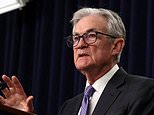
UPDATE: Federal prosecutors have just announced a criminal investigation into Jerome Powell, the chair of the Federal Reserve, igniting a political and legal storm that could reshape the nation’s economic landscape. The inquiry, led by the US Attorney’s Office for the District of Columbia under the direction of Jeanine Pirro, is probing allegations that Powell misled Congress regarding a controversial $2.5 billion renovation of the Fed’s headquarters in Washington, D.C.
The investigation centers on Powell’s testimony before Congress and internal financial records concerning the extensive overhaul of the Federal Reserve’s historic buildings near the National Mall. This ambitious project has reportedly exceeded its budget by hundreds of millions, raising serious questions about transparency and accountability within the central bank.
This significant legal challenge marks the most serious threat to Powell since he took the helm of the Federal Reserve. It also places the bank’s independence in jeopardy, amidst ongoing tensions with President Donald Trump, who has long criticized Powell for not aggressively cutting interest rates. Trump has publicly suggested Powell’s removal and has hinted at possible legal actions regarding the renovation costs.
In a rare video message released shortly after the investigation was confirmed, Powell characterized the inquiry as “unprecedented” and challenging its legitimacy. “This new threat is not about my testimony last June or about the renovation project,” he asserted. “It is not about Congress’s oversight role; the Fed has made every effort to keep Congress informed about the renovation.”
Powell further emphasized that the investigation could undermine the Federal Reserve’s autonomy. “The threat of criminal charges is a consequence of the Federal Reserve setting interest rates based on our best assessment of what will serve the public, rather than following the preferences of the president,” he warned. “This is about whether the Fed will continue to set interest rates based on evidence and economic conditions—or whether monetary policy will be directed by political pressure.”
As the investigation unfolds, all eyes will be on the implications for U.S. monetary policy and the Federal Reserve’s independence. Analysts are concerned that this development could lead to increased political interference in economic decisions, potentially destabilizing markets and impacting everyday Americans.
The situation remains fluid, with further updates expected as the investigation progresses. Stakeholders across the financial sector and political landscape are urged to monitor the situation closely, as the outcome could have significant ramifications for the future of U.S. economic policy.
Stay tuned for more breaking news as this story develops.