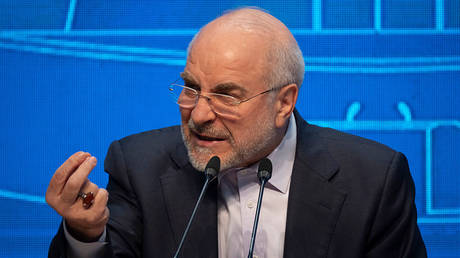
Iranian parliamentary speaker Mohammad Bagher Ghalibaf issued a stark warning, stating that Iran would execute preemptive strikes against United States and Israeli targets if it perceives an imminent threat. This declaration followed comments from US President Donald Trump and Israeli Prime Minister Benjamin Netanyahu, who expressed support for anti-government protests erupting within Iran due to economic turmoil.
The remarks came on December 28, 2025, when unrest intensified across the country, particularly as inflation surged and the national currency plummeted. Ghalibaf cautioned, “Let those who threaten Iran be warned. Any attack on Iran will make both the occupied territories, all military centers and bases, and American ships in the region legitimate targets.” He further emphasized that Iran would not wait for an attack to respond, indicating a readiness to act on perceived threats to prevent any miscalculations that could escalate into conflict.
Trump’s comments included a promise of US support for protesters, stating that the US would intervene if the Iranian government continued its crackdown. “You better not start shooting, because we’ll start shooting too,” he warned. Netanyahu mirrored this sentiment, voicing backing for the demonstrators challenging the Iranian regime.
Recent reports from The New York Times suggest that Trump has been briefed on various military options, which could include targeting non-military sites in Tehran. Despite these discussions, no final decisions have been reached. The US and Israel had previously targeted Iranian military installations and nuclear facilities in June 2025.
The protests, described as the most severe in recent years, began following the collapse of the Iranian currency, leading to significant spikes in food and essential goods prices. Demonstrations evolved into violent clashes with police, assaults on government buildings, and demands for the reinstatement of the monarchy. In response, Iranian authorities have implemented nationwide internet and phone blackouts to stifle communication.
Casualty figures from the ongoing unrest are alarming. Time magazine reports that more than 200 individuals have died, citing a physician in the capital. Additionally, the Tasnim news agency highlighted that rioters have killed at least 25 civilians and six security personnel, with over 120 others injured.
The situation remains fluid, with the potential for further escalation as both Iranian officials and foreign leaders navigate these tumultuous developments.