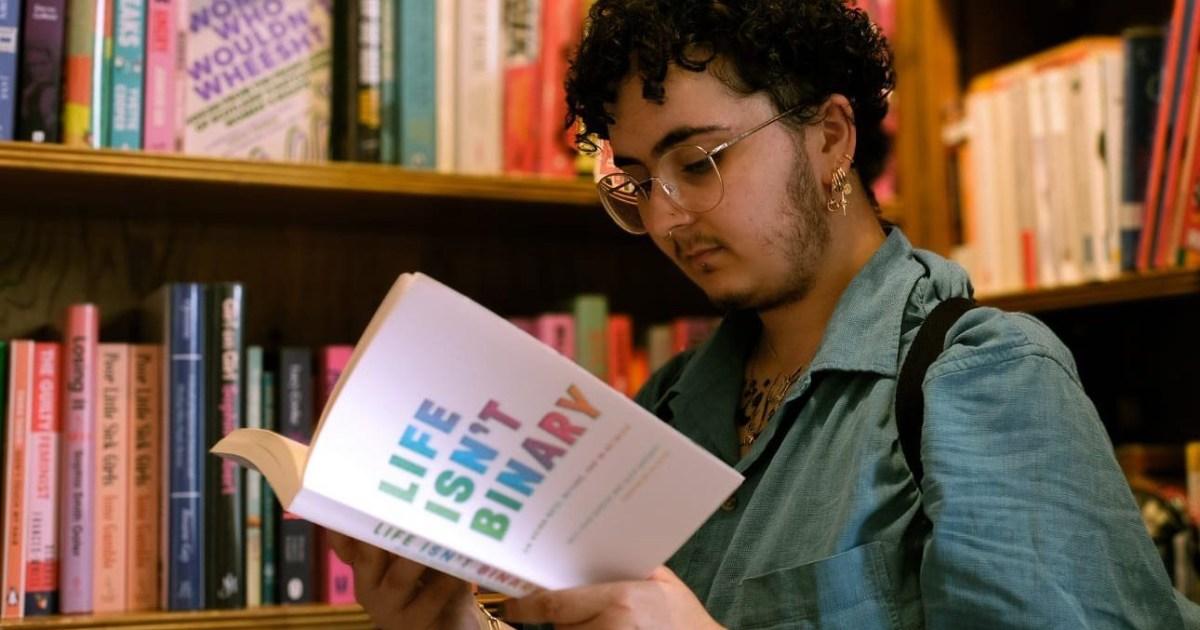
Oscar Sharples, a 22-year-old transgender advocate based in North Devon, has opened up about his harrowing journey through mental health struggles and the critical role that top surgery played in his survival. In a moving account, Sharples details how years of bullying and a lack of access to gender-affirming care led him to a near-fatal crisis at the age of 16.
On May 14, 2017, Sharples found himself waking up in a hospital after a suicide attempt. The experience was jarring; he recalls the beeping machines and the pain that had initially consumed him. What struck him most was the small gesture of a hospital staff member who had changed his name on the identification bracelet from his birth name to “Oscar.” This act of recognition brought him to tears and sparked a glimmer of hope during a dark time.
Sharples has been open about his identity as transgender for over two years, supported by his mother despite losing many friends and facing bullying. Throughout his youth, he endured harassment that included death threats and physical intimidation. “I had people spit at me in the school hallways, send me messages telling me to kill myself,” he shared. Despite this, the catalyst for his hospitalization was the agonizing wait for top surgery, which he felt was essential for his mental well-being.
Reflecting on his early years, Sharples recalls a time before the changes in his body began to manifest. Until the age of eleven, he felt content. However, as he entered adolescence, he faced mounting discomfort with his identity. “My clothes didn’t fit anymore, clinging to me in awkward ways,” he explained. This dissonance led to a painful realization, and he began to suppress his true self in an effort to conform.
Describing his attempts to navigate life, Sharples recounts how he turned to self-harm as a means of coping. “Wanting to do it, doing it, and hiding that I had done it became the primary structure of my day,” he said. His mental health deteriorated further until he discovered online communities of transgender individuals whose stories resonated with his own. This discovery was transformative, providing him with the motivation to seek help.
With his mother’s support, Sharples initiated the process to access gender-affirming care, which included a referral to a gender clinic. However, the journey was fraught with challenges. Originally expected to wait four years for surgery, bureaucratic delays and the impact of the COVID-19 pandemic extended the waiting period to six years. “Every day I would wake up, shower in the dark, get changed with my eyes closed,” he recalled, illustrating the extent of his daily struggle.
Finally, in April 2021, Sharples underwent top surgery—a milestone he describes as the best day of his life. The relief he experienced was profound. “I could lay back and put my hand on my chest without flinching,” he said, expressing the newfound freedom he felt. Following his surgery, he moved to university and, alongside his mother, founded Transilience, a local organization aimed at supporting transgender youth.
While Sharples has begun to carve out a life for himself, he remains acutely aware of the ongoing struggles faced by many in the transgender community. He highlighted that approximately 42,000 trans individuals in the UK are currently waiting for gender-affirming care, with some facing waits of up to eight years. “I feel so distraught thinking about all the people who are suffering like I was,” he stated.
In his advocacy, Sharples stresses the importance of timely access to gender-affirming care, equating it to life-saving intervention. He passionately argues that “gender-affirming care is suicide prevention.” His message resonates with urgency, as he continues to fight for the rights of his peers to receive the support they need.
Sharples’ story is a powerful reminder of the critical need for compassion and action within healthcare systems. He hopes that by sharing his experience, he can inspire change and encourage others to advocate for themselves and their communities.