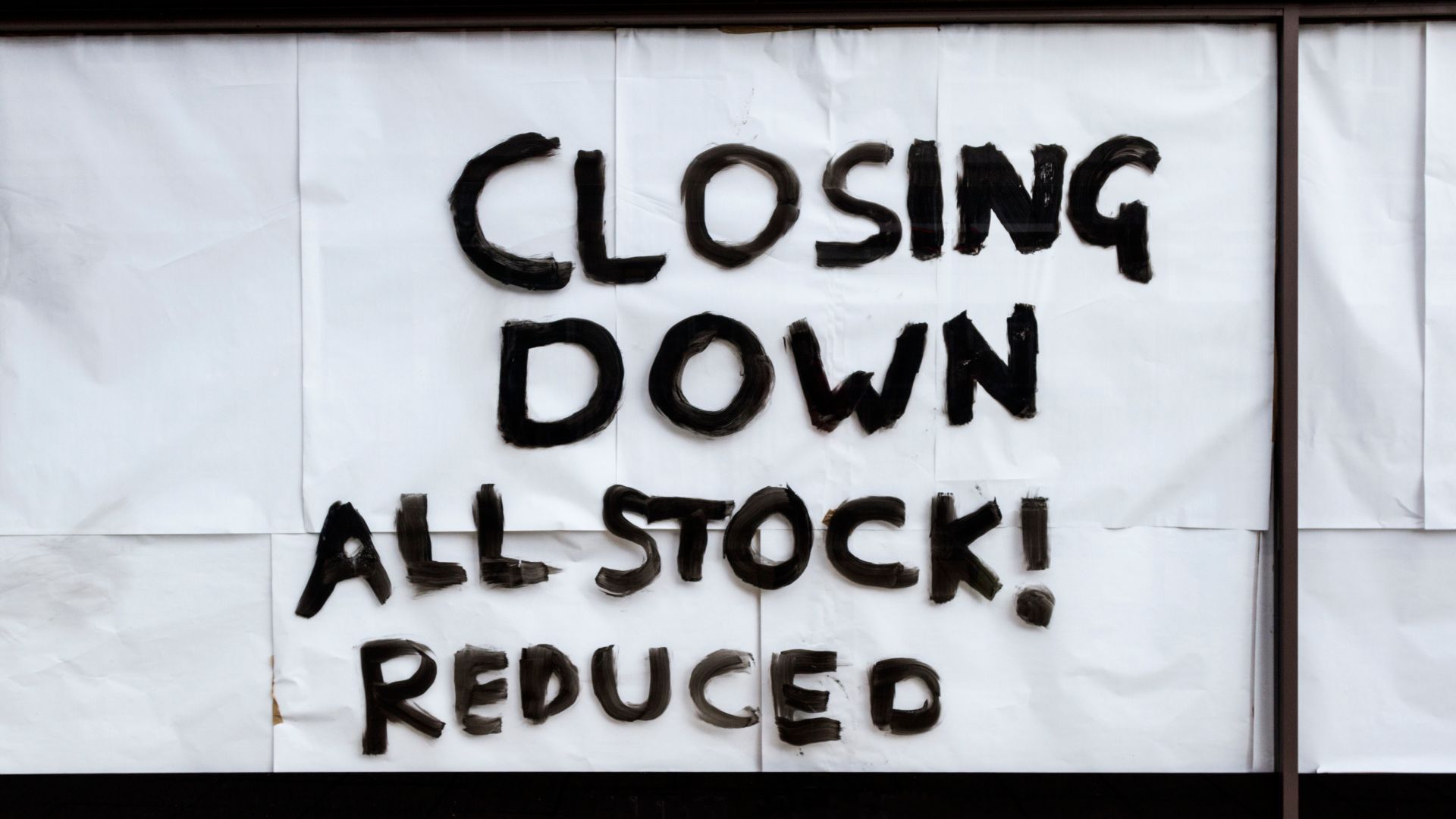
As the new year begins, Britain’s retail landscape faces significant upheaval, with several major brands in peril of closing. Economic pressures are mounting, prompting retailers to take drastic measures to survive. Claire’s Accessories and The Original Factory Shop have recently filed notices to appoint administrators, highlighting the challenges that lie ahead for the retail sector in 2026.
A confluence of rising business taxes, declining consumer confidence, and soaring inflation is pushing retailers toward insolvency. According to insolvency experts, this combination is causing a sharp decline in foot traffic, compelling companies to shut down operations. Additionally, an increase in the National Living Wage adds further strain on already slim profit margins.
Retailers at Risk of Closure
Claire’s Accessories, known for its trendy accessories, is facing severe financial difficulties. The company has initiated insolvency proceedings just months after a rescue deal aimed at saving it from collapse. Modella Capital, the chain’s owner, confirmed the filing, which halts debt collection and provides a limited window to find a buyer. The brand had previously gone bankrupt in August 2025, prior to the rescue deal that saved 156 stores. Since then, it has struggled to adapt to changing shopping habits and lost a crucial concession partner.
Similarly, The Original Factory Shop (TOFS) is also in jeopardy. The retailer, which offers discounted goods, has failed to capitalize on the discount market, unlike its competitors B&M and Home Bargains. A transition to a new logistics provider resulted in supply chain disruptions that left shelves empty. Management had hoped to execute a Company Voluntary Arrangement to close underperforming stores, but time has run out, putting jobs at risk across its locations.
Discount giant Poundland is not immune to the crisis. The chain plans to close approximately 130 stores by February 2026 as part of a major restructuring effort. Following poor festive sales, Poundland is utilizing a £30 million emergency overdraft from previous owners, Pepco, to navigate a liquidity crunch. The company was acquired for just £1 by distressed investment firm Gordon Brothers, which has led to significant cuts aimed at improving profitability.
Further Shrinkage and Challenges Ahead
The fashion retailer River Island is also scaling back, with plans to close 33 stores across the UK by the end of January 2026. This decision comes after a significant decline in foot traffic and sales, prompting the company to pursue a court-approved restructuring plan. Additionally, River Island is implementing rent reductions at another 71 shops to alleviate financial pressures.
Meanwhile, TGI Fridays is in a precarious position, having filed its third notice of intention to appoint administrators. This move grants the company an additional ten days to secure a buyer. A pre-pack administration deal is being considered, which could result in the closure of between 15 and 20 restaurants. The chain currently operates 49 locations and employs around 2,000 staff, all of whom await news about their job security.
As the situation develops, the future of these iconic brands hangs in the balance. The challenges facing the retail sector underline a broader economic struggle, with significant implications for employment and the high street landscape in the UK.