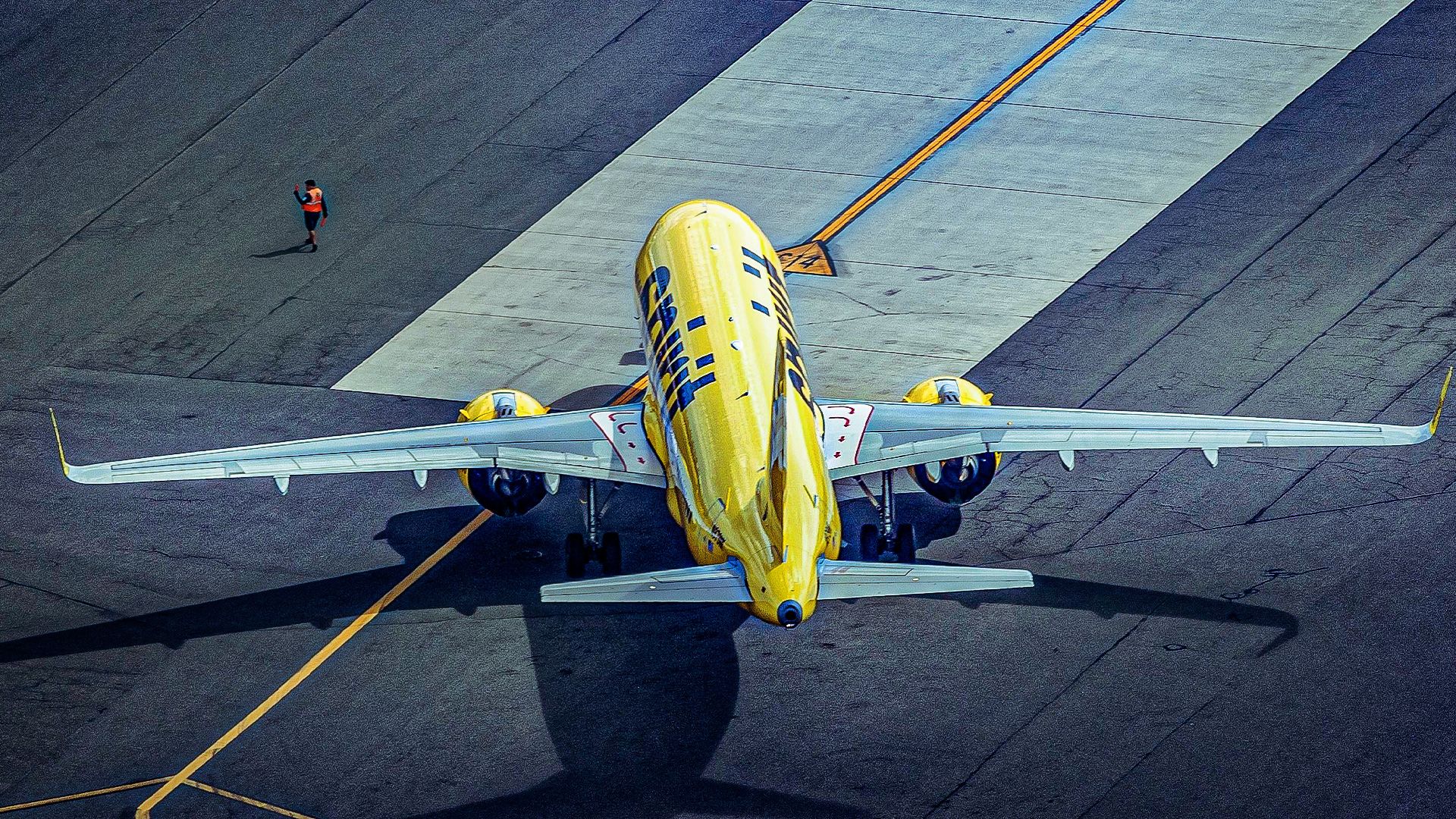
URGENT UPDATE: Spirit Airlines has begun returning dozens of its nearly-new Airbus A320neo and A321neo aircraft to lessors, with many facing dismantlement for parts as part of the airline’s second Chapter 11 bankruptcy filing. This shocking decision highlights the airline’s staggering $8 billion debt and the ongoing engine crisis affecting the aviation industry.
In a drastic move, Spirit Airlines is returning 87 aircraft to lessors, effectively reducing its fleet by more than 40%. This comes on the heels of a $1 billion loss in 2024 and projected losses exceeding $800 million for 2025. The airline’s operational overhaul is underway, with service cuts to 11 cities and significant reductions in flight operations.
Spirit’s CEO, Dave Davis, emphasized the need to “right-size” the fleet to align capacity with profitable demand. The airline’s fleet, which once boasted more than 200 aircraft, is now set to shrink to between 100 and 120 planes by mid-2026. This includes a dramatic reduction in its A320neo-family jets, which are leased and thus easier to return than older, owned aircraft.
Why are these young jets being scrapped? The engine reliability issues plaguing the Pratt & Whitney PW1100G engines have forced Spirit to ground many of its newer aircraft. Manufacturing defects have led to widespread recalls, impacting hundreds of aircraft globally and causing downtime to skyrocket from initial 60 days to over 300 days. This leaves Spirit with little choice but to return the A320neo-family aircraft to lessors and cut its losses.
Spirit is not alone in facing these challenges. Other airlines, including IndiGo and Wizz Air, are grappling with grounded aircraft due to similar engine issues. IndiGo had as many as 75 aircraft grounded at peak, while Wizz Air anticipates disruptions lasting until the end of 2027.
This trend of young aircraft being dismantled for parts reflects a troubling reality in the aviation sector. With a lucrative market for aircraft components driven by engine shortages, lessors find it more profitable to part out jets rather than lease them. For instance, the estimated market value of a six-year-old A321neo is around $42 million, but upgrading and selling just the engines can yield returns of up to $22 million each.
As Spirit Airlines continues to navigate this tumultuous landscape, the implications for the airline and the broader aviation industry are significant. The situation raises questions about the future viability of struggling carriers and the potential for more young aircraft to meet premature ends. With the restructuring process set to conclude by April 28, all eyes are on Spirit’s next moves.
As this story develops, the aviation community and industry watchers will be keenly observing the unfolding impact of these decisions. The challenges facing Spirit Airlines are a stark reminder of the economic pressures reshaping the future of air travel.