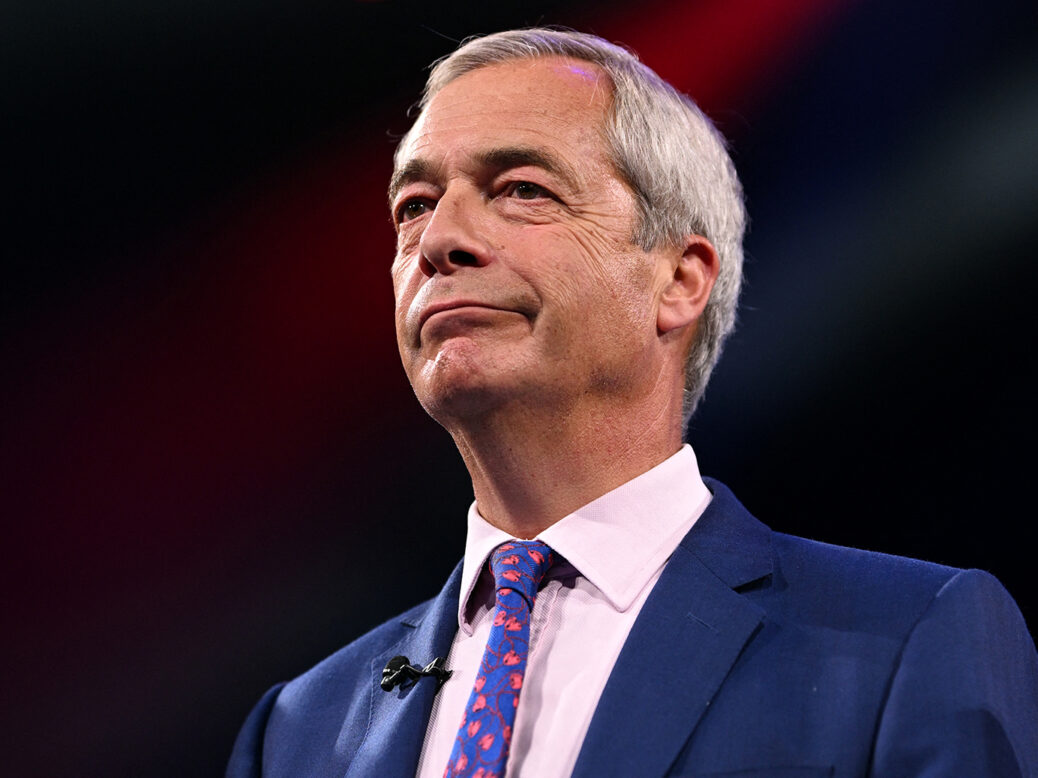
UPDATE: A new analysis reveals a potential path for a progressive alliance to challenge the Reform Party’s dominance in the UK. Recent polling indicates that if a general election were held today, Nigel Farage would lead the country as prime minister, with Reform holding a commanding lead over Labour and Conservatives.
The latest data from More in Common suggests that while Reform is currently at 29 percent support nationwide, it is vulnerable to a mass tactical voting strategy by progressive parties. This could prevent Farage’s party from securing a majority in the House of Commons.
In the Caerphilly by-election, Reform garnered 36 percent of the vote, but a surprising surge in tactical voting for Plaid Cymru allowed them to siphon off Labour support, ultimately leading to Reform’s defeat. If this trend continues at a national level, a similar outcome could be achieved, particularly if 60 percent of progressive voters coordinate their choices strategically.
The implications of this research are profound. Should tactical voting reach unprecedented levels, it could pave the way for a new parliamentary landscape and prompt urgent calls for electoral reform. The prospect of significant tactical voting in the next general election, anticipated for 2029, is not just likely but essential for progressives aiming to counter Reform’s influence.
However, achieving this level of tactical voting presents challenges. Current loyalty to traditional parties is waning, with almost 60 percent of voters expressing distrust in both major parties to effectively manage the economy. The Labour Party, despite being the largest progressive entity in England, faces a growing perception of toxicity among potential allies, particularly within the Green Party.
In January 2025, 55 percent of Green voters indicated they would back Labour in a hypothetical contest against Reform. That figure has now dropped to 46 percent, as the Green Party’s popularity continues to rise, further complicating Labour’s position.
As Labour struggles, it must contend with a shift in progressive sentiment. While 57 percent of Liberal Democrats may still favor Labour over Reform, the growing influence of the Greens—led by the increasingly prominent Zack Polanski—could hinder Labour’s appeal.
The urgency of this situation cannot be overstated. With Labour’s approval ratings at a historic low, the party must urgently reassess its strategies to attract progressive voters and rebuild trust. The potential for tactical voting remains uncertain, with historical data suggesting that voters often fail to follow through on their intentions at the polls.
As we move closer to the next election, the stakes are higher than ever. For Labour to fend off the Reform Party, two critical steps are necessary: first, voters must be clear on which party truly represents their interests, and second, Labour must improve its image among its left-leaning supporters.
With the political landscape shifting rapidly, the upcoming months will be crucial in determining whether a united progressive front can indeed emerge to challenge the right-wing surge. As this situation develops, all eyes will be on the strategic moves made by progressive parties as they navigate the complexities of British politics.
Stay tuned for further updates as this story unfolds.