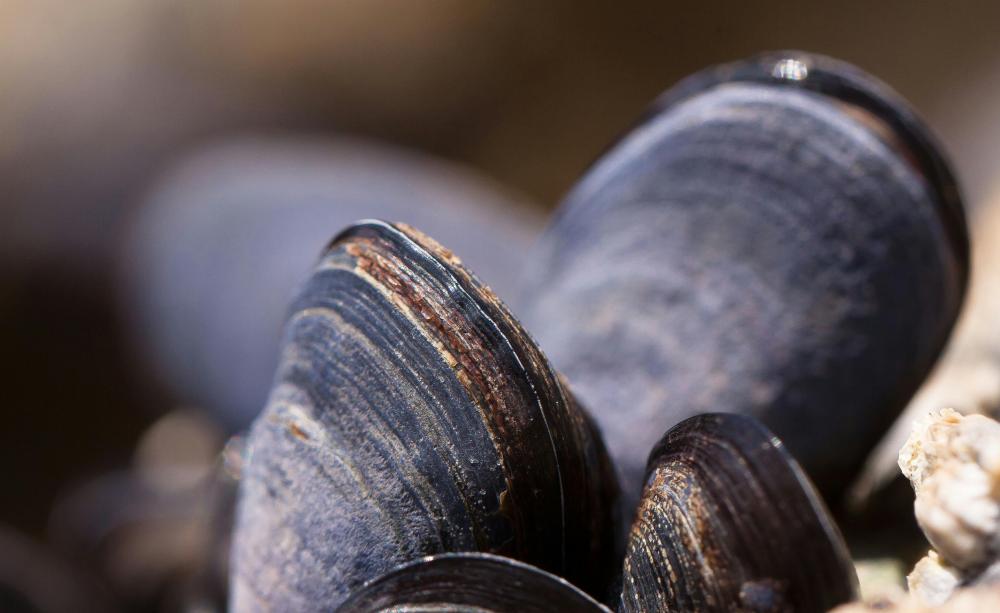
UPDATE: A dramatic ecological crisis is unfolding as freshwater mussels face catastrophic decline across the globe. New reports reveal that nearly all freshwater mussels in the turbid waters of the Thames in London have died off over the past six decades, leaving only a few survivors amidst a graveyard of shells.
This alarming trend is not isolated. Studies across Europe and North America confirm that freshwater mussels are among the most imperiled groups of animals worldwide. The latest data shows that over 70% of North America’s 300 species are at risk of extinction, with a staggering 12 out of 16 species in Europe currently classified as endangered.
Why this matters NOW: Freshwater mussels play a crucial role in maintaining water quality and ecosystem health. As filter feeders, they purify water by eliminating sediments, bacteria, and pollutants. Without them, our rivers will become murky and polluted, leading to algal blooms that can decimate aquatic life.
Leading researcher Tadeusz Zając from the Polish Institute of Nature Conservation emphasizes the urgent connection to global warming, stating, “The relation with global warming – and heatwaves – is evident.” He highlights that the mass die-offs coincide with rising summer temperatures. His team is actively studying populations in Poland and Croatia, noting that while Polish mussels suffered catastrophic losses, Croatian mussels have shown more resilience.
What’s being done: Restoration efforts are underway. For instance, mussels that vanished from the Nida River in the 1980s have been successfully reintroduced following improvements in water quality due to sewage treatment. In the United States, the Anacostia River in Washington, D.C. is being cleaned by reintroducing mussels, which aim to purify the water from pollutants like E. Coli and microplastics.
The situation remains precarious. Despite successful reintroduction programs, mussels are still vulnerable to climate change effects. Zając warns that while the deeper, cooler waters offer some protection, the overall outlook is critical. The ongoing impacts of climate change could exacerbate mortality events, threatening the future of these essential creatures.
Looking ahead: Hope lies in the evolutionary resilience of mussels. Zając notes, “The only hope is in evolution – in each of the die-off events, some survive; those selected will create new populations.” This adaptability could be vital for their survival in a rapidly changing world.
As we witness this unfolding disaster, the plight of freshwater mussels serves as a stark reminder of the interconnectedness of ecosystems and the urgent need for conservation efforts. It is crucial that we prioritize the protection of these invaluable species to safeguard the health of our waterways and, ultimately, our planet.
Stay tuned for further updates on this urgent ecological situation.