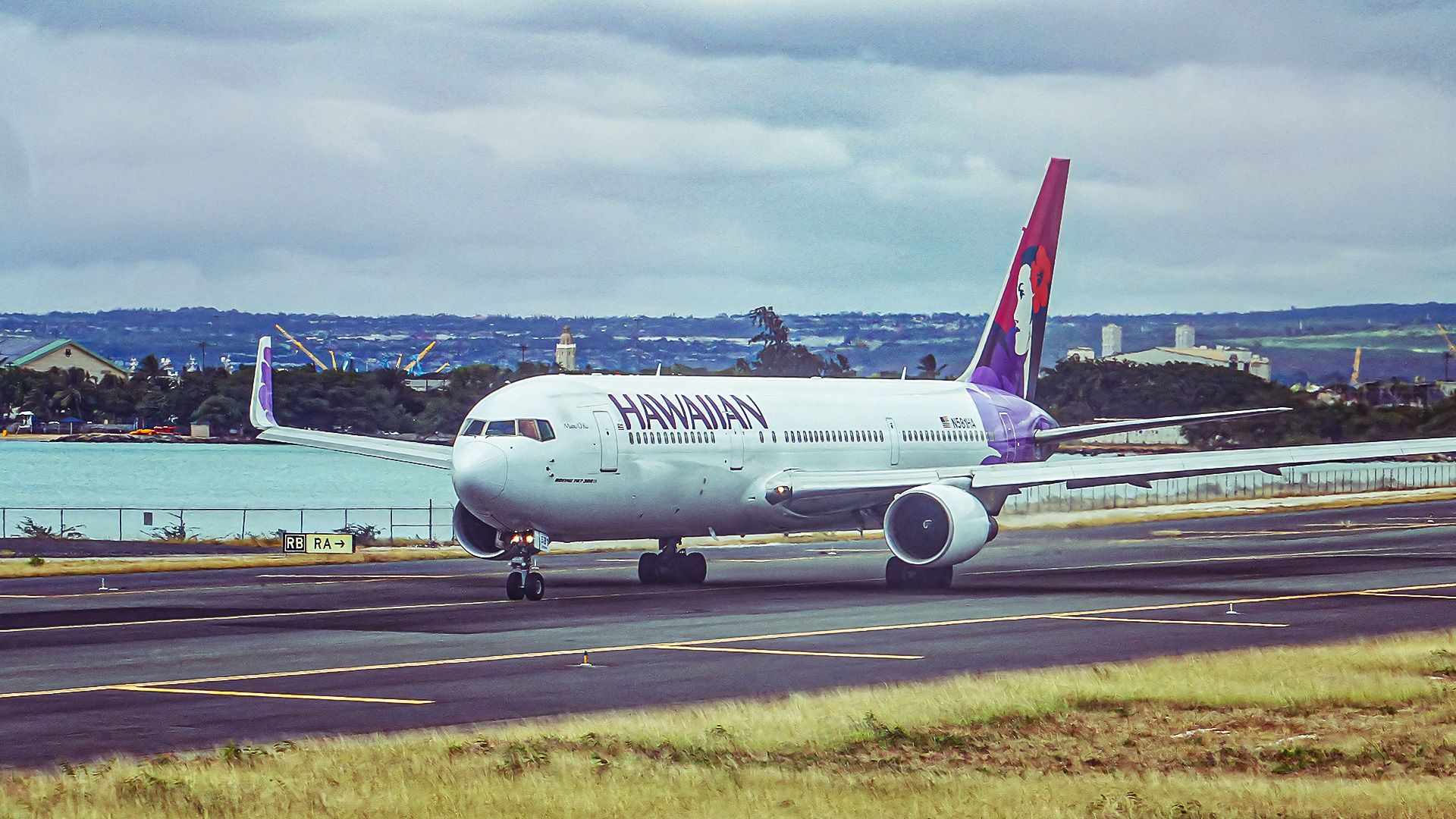
The introduction of the Boeing 767 in the early 1980s marked a significant turning point in commercial aviation, particularly with the establishment of Extended-range Twin-engine Operational Performance Standards, commonly known as ETOPS. This regulatory change allowed twin-engine aircraft to operate on long overwater routes, transforming how airlines planned and executed transoceanic flights.
Prior to ETOPS, twin-engine jets faced strict limitations, primarily being restricted to flying within 60 to 90 minutes of a diversion airport. This was largely due to safety concerns regarding engine reliability; losing an engine over water could pose catastrophic risks. As a result, many long-haul routes, especially transatlantic and transpacific flights, were predominantly serviced by three- or four-engine aircraft. The implications of these restrictions were profound, driving up operational costs and limiting the flexibility of airline route planning.
Shifting Regulations and the Emergence of ETOPS
The late 1970s and early 1980s witnessed a marked improvement in engine technology and overall aircraft reliability. As manufacturers like Boeing began to demonstrate the dependability of modern twin-engine designs, regulatory bodies started to reconsider existing rules. The Boeing 767 played a crucial role in this transformation. Its advanced systems and reliable engines allowed regulators to approve longer flight distances from suitable diversion airports.
The 767’s introduction was revolutionary. Airlines collaborated with Boeing to gather data on engine performance and system redundancy, which ultimately supported petitions to extend operational limits for twin-engine aircraft. This pivotal moment led to the birth of ETOPS, allowing twinjets to fly routes that had previously been inaccessible. The inaugural ETOPS approval for the 767 permitted flights up to 120 minutes from a diversion airport, primarily on transatlantic routes. This breakthrough shifted the landscape of air travel, enabling airlines to operate more direct and efficient long-haul flights.
The initial 120-minute ETOPS certification came with rigorous conditions. Airlines were required to implement strict maintenance protocols, provide specialized crew training, and adhere to detailed operational procedures. Each airline seeking ETOPS certification had to demonstrate compliance with high safety standards, which built confidence among regulators and helped pave the way for further expansions of ETOPS limits.
Expanding Operational Limits and Impact on Airlines
As the reliability of the Boeing 767 became evident, regulators gradually extended ETOPS limits to 180 minutes by 1993. This expansion was monumental, allowing twin-engine jets to access nearly any long-haul route worldwide, including challenging transpacific and transatlantic flights. The ability to operate on routes that were once limited to larger aircraft significantly increased operational flexibility for airlines.
With the 180-minute ETOPS approval, airlines could plan direct flights that optimized both travel time and fuel efficiency. This led to substantial reductions in operational costs, as airlines could utilize smaller, more fuel-efficient jets while still maintaining robust safety standards. The shift towards twin-engine aircraft reduced the need for larger, less economical three or four-engine planes, ultimately transforming airline operations and economics.
The success of ETOPS with the Boeing 767 influenced the design and operational strategies of modern long-haul aircraft. Subsequent models, such as the Boeing 777 and Airbus A350, were engineered with ETOPS requirements in mind, incorporating advanced avionics and multi-layered redundancy in critical systems. This design approach has ensured that twin-engine aircraft can safely undertake the longest overwater flights, offering airlines improved efficiency and operational flexibility.
The historical significance of ETOPS cannot be understated. It has reshaped airline route planning and fleet utilization, enabling airlines to serve previously inaccessible markets. The program has not only improved profitability for carriers but also enhanced passenger experiences by providing faster and more convenient flight options.
Today, ETOPS remains a vital component of commercial aviation, allowing airlines to optimize their operations while contributing to reduced environmental impacts. The pioneering efforts surrounding the Boeing 767 laid the groundwork for a new era in aviation, demonstrating that twin-engine aircraft could safely and effectively meet the demands of long-haul travel.