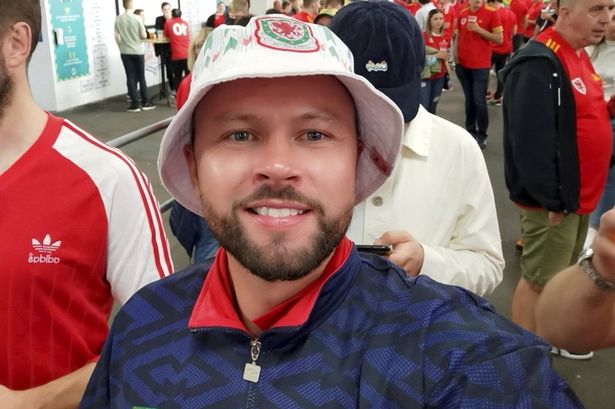
URGENT UPDATE: A shocking diagnosis has turned a Welsh man’s life upside down after experiencing pins and needles in his arm, ultimately revealing an aggressive form of brain cancer. Matt Collins, 38, was rushed to Prince Charles Hospital in Merthyr Tydfil in October 2023 when he suddenly lost the use of his left arm while attending a music festival. Scans confirmed he had a glioblastoma, the deadliest type of brain tumor, with doctors estimating his prognosis at 12 to 18 months.
This alarming turn of events has left Collins grappling with a diagnosis that has profoundly altered his future. Previously managing anxiety and low mood, he faced new challenges after a divorce forced him to move back in with his parents. Collins had been experiencing severe “thunderclap” headaches and seizures since July, but was awaiting an MRI scan when he suffered a stroke.
In his own words, Collins recounted the moment he learned of his diagnosis: “When they told me I had a glioblastoma the size of a golf ball, my whole world changed. I felt my legs turn to jelly.” He underwent surgery at University Hospital of Wales, but the tumor recurred shortly thereafter, leading to three additional rounds of chemotherapy.
Despite these efforts, a recent MRI in November confirmed that the chemotherapy has been ineffective, with the tumor continuing to grow. “It’s terrifying when symptoms return because you immediately fear the worst,” Collins expressed, emphasizing the uncertainty surrounding his treatment options.
Brain tumors claim more lives than any other cancer for individuals under 40, yet treatment options remain limited. Charities highlight that a mere 1 percent of national cancer research funding has been allocated to brain tumors since 2002. Collins is now looking at treatments abroad, including a costly regimen in Germany priced at £16,000 for each cycle.
Collins recently received a private vaccine, DcVax-L, not available through the NHS, thanks to a generous fundraiser that raised £100,000. He stated, “Without the random kindness of strangers, I’d never have raised the money needed. Proper tissue storage can change lives; people need to understand how important it is.”
Many patients like Collins face the disheartening reality of seeking treatment abroad as they navigate a complex healthcare landscape. He criticized the UK system, stating, “It is deeply frustrating to see treatment options available elsewhere in Europe and the USA that aren’t accessible here on the NHS.”
Dr. Karen Noble, director of research at Brain Tumour Research, underscored the need for improved funding and access to clinical trials. “Just five percent of patients with brain cancer are on a clinical trial in this country,” she noted, stressing the urgent need for increased investment in research.
As Matt Collins continues his battle against glioblastoma, he remains hopeful for innovative treatments that could provide him and others like him with a fighting chance. The situation is evolving rapidly, and advocates are calling for immediate changes to the healthcare system to ensure that patients receive the best possible care moving forward.
As this story develops, it highlights the critical need for awareness and action surrounding brain tumor research and treatment accessibility.