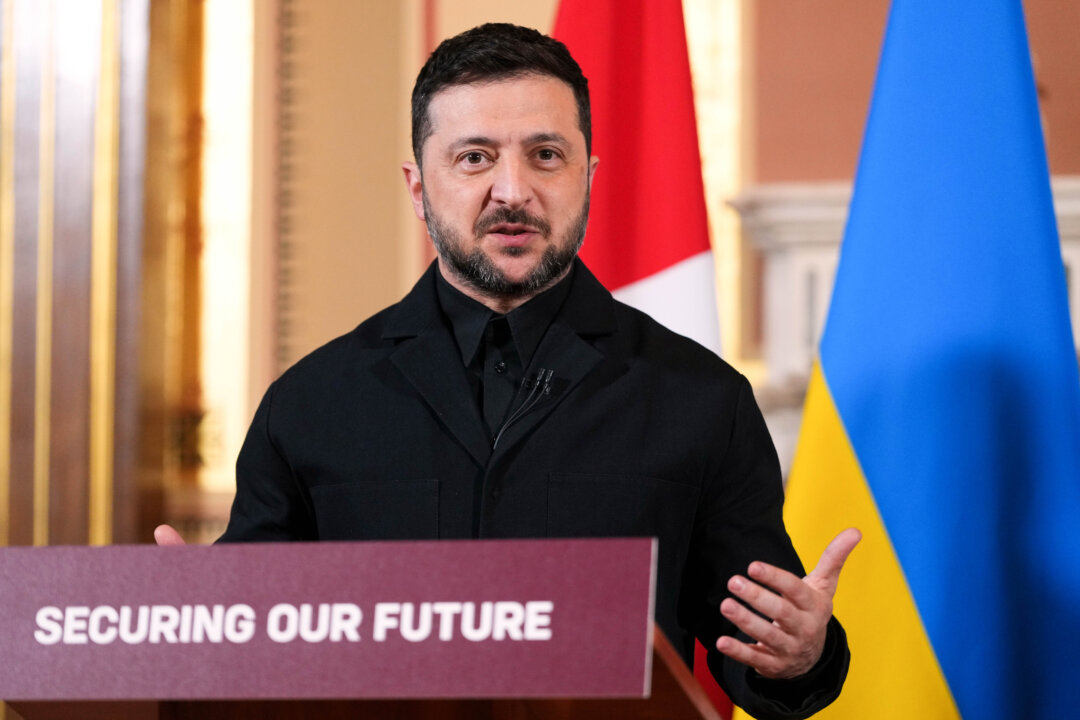
Ukrainian President Volodymyr Zelenskyy urged for advancements in Ukraine’s bid for European Union (EU) membership during a meeting with Nikos Christodoulides, the President of Cyprus, on January 7, 2024. This meeting occurred in Nicosia, marking the day that Cyprus officially assumed the presidency of the Council of the EU.
Following their discussions, Zelenskyy expressed his commitment to working closely with Christodoulides to achieve significant progress on Ukraine’s EU accession. In a post shared on X, he stated that their collaboration aimed to “make as much progress as possible during this period on opening negotiating clusters and on Ukraine’s accession to the European Union.”
The meeting also addressed critical topics including the enhancement of sanctions against Russia, the strengthening of air defenses, and the production and supply of drones. Zelenskyy’s push for EU membership is gaining urgency as Ukraine continues to navigate the complexities of its geopolitical situation.
Focus on Strengthening Sanctions and Defense
Zelenskyy’s discussions with Christodoulides were not merely limited to EU accession. They also emphasized the importance of reinforcing sanctions against Russia, which has been a significant factor in the ongoing conflict. The Ukrainian president underscored the need for a united front among EU members in imposing stricter penalties on Russia to deter further aggression.
Moreover, the conversation touched on military support, specifically the enhancement of air defenses to protect Ukrainian skies. Zelenskyy highlighted the critical role of drones in modern warfare and expressed a need for increased production and supply to bolster Ukraine’s defense capabilities.
The leadership of Cyprus in the EU presents a unique opportunity for both nations to align their strategic interests. With Cyprus taking the helm of the EU Council, Zelenskyy hopes to leverage this moment to expedite Ukraine’s integration into European structures.
A Pathway to EU Membership
Ukraine’s journey toward EU membership has been a prominent aspect of its foreign policy, especially following the escalation of conflict with Russia. The EU’s support has been crucial for Ukraine, not only in terms of financial aid but also in political solidarity.
As the EU navigates its own challenges, including economic issues and the need for cohesion among member states, Zelenskyy’s visit underscores the urgency of Ukraine’s aspirations. The discussions held in Nicosia could pave the way for future negotiations, particularly as Cyprus holds the presidency, which allows it to influence the agenda and priorities of the union.
Zelenskyy’s proactive approach reflects a broader strategy to enhance Ukraine’s standing within the EU framework. By collaborating with member states, he aims to ensure that Ukraine’s accession remains a pressing issue on the European agenda.
With the geopolitical landscape continually shifting, the outcomes of such meetings may significantly impact Ukraine’s future relationship with the EU and its overall security landscape. The commitment shown by both leaders may serve as a catalyst for further advancements in Ukraine’s EU membership aspirations.
As the situation evolves, observers will be keen to see how Cyprus’s presidency influences the trajectory of Ukraine’s integration into the European community and the ongoing response to the challenges posed by Russia.