BREAKING: New research reveals that engaging with the arts can significantly enhance mental and physical health, making 2026 a pivotal year for personal wellness. Just announced findings indicate that creativity is not merely a luxury, but a vital necessity for emotional and physical well-being.
As we approach January 2026, many are looking for effective ways to boost happiness and health. Traditional methods like running or yoga may not resonate with everyone. However, experts like Daisy Fancourt, author of Art Cure, emphasize the profound impact of the arts on overall health. Recent studies show that regular engagement in creative activities like music, dance, and visual arts can reduce symptoms of anxiety, depression, and stress for individuals of all ages.
UPDATE: Recent randomized trials confirm that activities such as singing and dancing can nearly double improvements in depressive symptoms when combined with standard treatments. Shockingly, 95% of adults report spending zero time engaging with the arts daily. This statistic highlights a critical gap in our wellness routines.
The health benefits of the arts extend beyond mental health. Neuroscience research indicates that engaging in creative activities activates pleasure centers in the brain, releasing hormones like dopamine that enhance mood. Furthermore, those who regularly attend cultural events such as theater or museums have nearly half the risk of developing depression compared to those who do not.
In a world increasingly dominated by technology, it’s essential to remember the restorative power of creativity. Regular participation in arts and crafts can bolster the brain’s cognitive reserve, helping to mitigate cognitive decline as we age. Engaging with the arts not only strengthens brain connectivity but can also improve gene expression, leading to healthier aging.
As we enter the new year, experts recommend five evidence-based strategies to integrate art into your daily routine:
1. **Use Music and Books to Boost Your Mood**: Swap your morning alarm for an uplifting song and dedicate time to read during your commute. Engaging with stories stimulates dopamine release, enhancing joy and anticipation.
2. **Fulfill Psychological Needs through Creativity**: Identify unmet psychological needs in your life. If you seek control or mastery, consider hobbies like drawing or learning an instrument. Setting achievable goals can foster resilience.
3. **Take Time to Appreciate Art**: When visiting galleries or exhibitions, ensure you spend adequate time with each piece. Aim for at least 10 seconds of contemplation to form a meaningful emotional response.
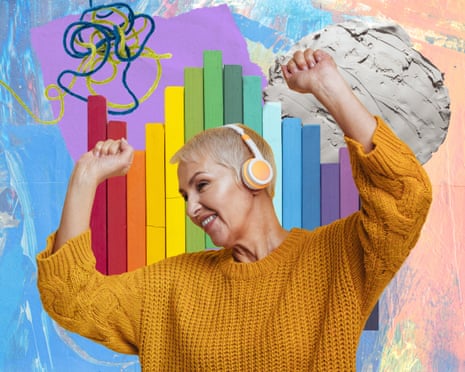
4. **Incorporate Music into Physical Activity**: Research shows that listening to upbeat music during workouts can enhance performance. A tempo of 125-140 bpm is ideal for maximizing efficiency and enjoyment.
5. **Embrace Playfulness**: Don’t underestimate the power of play. Engage in activities that promote imagination and creativity, allowing flexibility to adapt to life’s challenges.
As we reflect on the past year, many find that their most joyful moments have revolved around artistic experiences. The urgency to incorporate these practices into our lives cannot be overstated. By actively engaging with the arts, we can significantly enhance our mental and physical health.
As we move towards January 2026, consider this your invitation to prioritize creativity as a fundamental aspect of wellness. The arts could indeed be the lifeline that transforms your health.
For more insights, check out Daisy Fancourt’s book, Art Cure: The Science of How the Arts Transform Our Health, available from Cornerstone Press. Don’t wait—make art a priority for a healthier, happier new year!