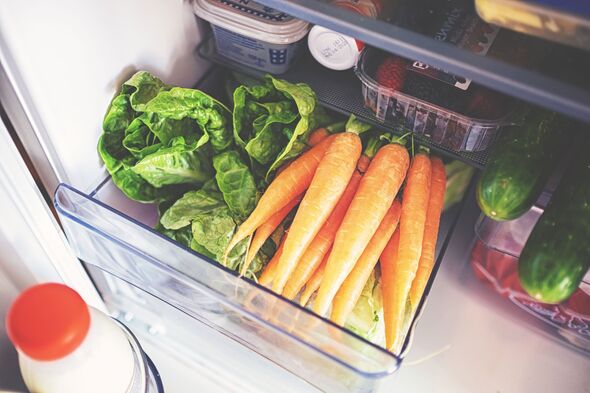
Carrots are a popular item in kitchens worldwide, but many people unknowingly store them in a way that shortens their shelf life. Recent guidance from nutritionist and culinary expert Amanda Rocchio highlights a simple storage technique that can extend the freshness of carrots by up to four weeks. According to Rocchio, the common practice of placing carrots in the fridge drawer may not be ideal for maintaining their crispness and quality.
In her TikTok video, Amanda Rocchio explains that the optimal method for preserving carrots involves removing them from their original packaging and placing them in a water-filled container. She advises users to keep this container in the main section of the refrigerator, rather than the crisper drawer. This technique allows carrots to maintain necessary humidity levels and a stable temperature, which are critical for prolonging their lifespan.
The process is straightforward. Rocchio suggests using a lidded container filled with water to store the carrots. This method not only preserves their texture but also significantly reduces the likelihood of spoilage. She recommends changing the water every five to six days to ensure maximum freshness. “They can last four weeks this way,” Rocchio states.
Storing carrots in a container of water helps to overcome common storage pitfalls. The fluctuating temperatures in fridge drawers, caused by frequent opening and closing, can adversely affect the quality of carrots. Additionally, carrots are sensitive to changes in humidity; excessive humidity can lead to mould, while too little can cause dehydration.
The advice from Rocchio has resonated with many social media users, prompting surprise among her followers. Several individuals shared their experiences of discovering this effective storage method. One user humorously noted, “I have learned that I don’t know how to adult. I haven’t stored anything correctly so far!” Another follower confirmed the effectiveness, stating, “I started doing this and it was amazing how long the carrots lasted.”
Notably, this technique can also be applied to other vegetables, such as celery, further enhancing its value in everyday kitchen practices. By adopting these simple storage strategies, consumers can not only reduce food waste but also save money on their grocery bills.
Rocchio’s insights underscore the importance of proper vegetable storage, a topic often overlooked in daily cooking routines. As more people become aware of effective methods like these, the potential for extending the life of fresh produce could lead to healthier eating habits and less waste.